Threatened Traditions: The Impact of Climate Change on Dog Sled Culture in Northern Greenland
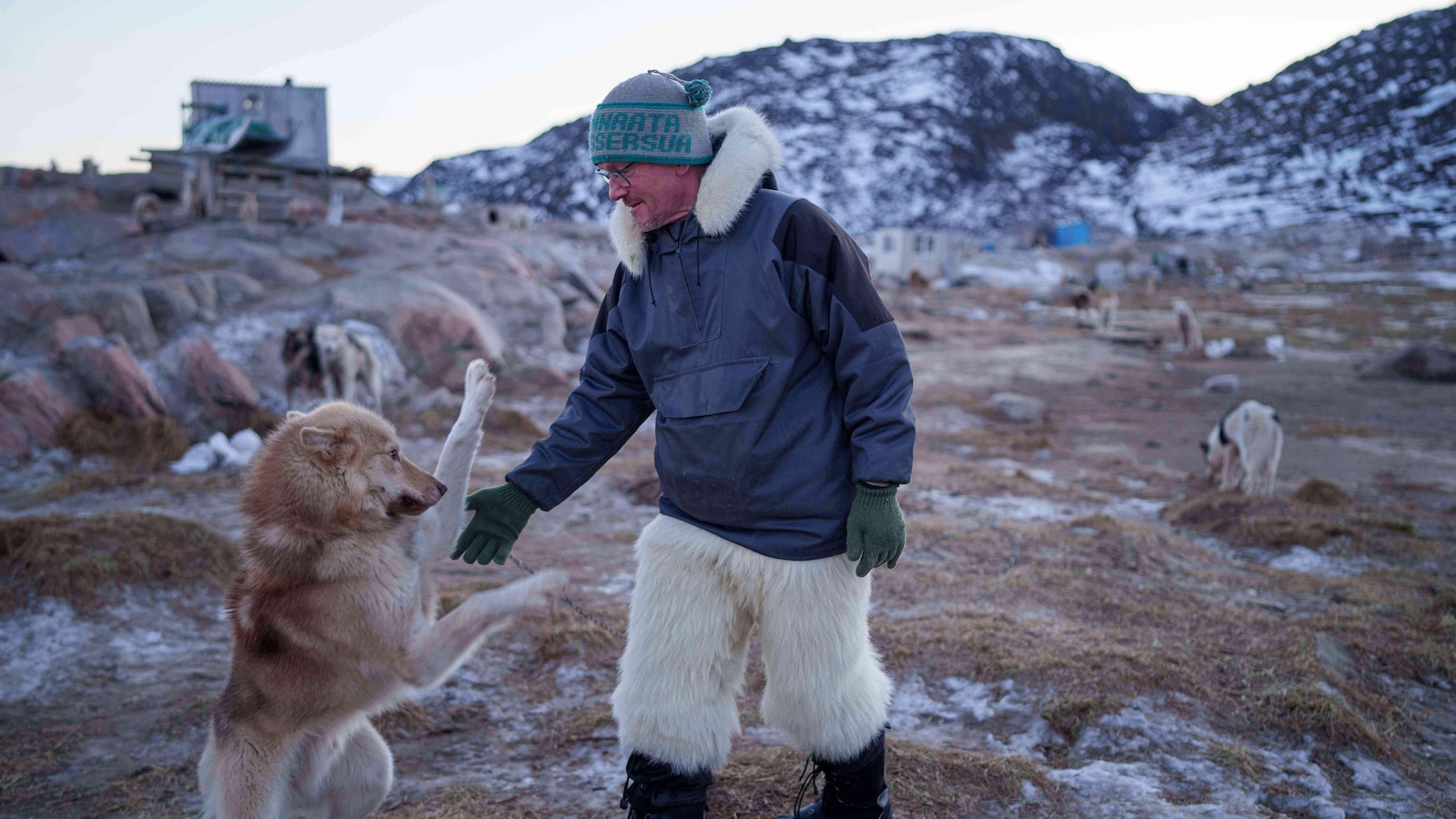
Dog sled culture in northern Greenland is facing a threat due to the impact of climate change on the region. Jørgen Kristensen, a five-time Greenlandic dog sled champion, grew up in a village in northern Greenland where he developed a deep connection with sled dogs. However, the changing climate in Ilulissat, Greenland, has led to a lack of snow and ice, making dog sled rides impossible this winter. The rising temperatures are causing permafrost to melt, buildings to sink, and pipes to crack, with far-reaching consequences for the environment and global sea levels.
The Sermeq Kujalleq glacier in Greenland is one of the most active glaciers in the world, contributing significantly to rising sea levels as it retreats and releases icebergs into the sea. The melting ice could also reveal untapped mineral deposits, leading to geopolitical tensions, such as U.S. President Donald Trump's interest in Greenland. The warming temperatures in Ilulissat have drastically changed the winter climate, with temperatures above freezing becoming more common, affecting traditional activities like dog sledding.
The loss of snow and ice in Greenland is deeply affecting the local culture and way of life. Dog sledding has been a vital part of Greenlandic culture for over a thousand years, connecting communities and providing access to hunting grounds. The absence of sea ice this winter has disrupted traditional activities like hunting and fishing, posing challenges for local residents. The impact of climate change is amplified in the Arctic, where temperatures are rising at a faster rate than the global average, leading to significant environmental changes.
The melting ice in Greenland is not only a result of rising temperatures but also exacerbated by pollution, such as black carbon and volcanic debris, which accelerate the melting process. The loss of ice in Greenland has caught the attention of global leaders like Trump, who has expressed interest in the island's resources. Despite skepticism about climate change, it is crucial to raise awareness about the importance of preserving ice and oceans for future generations. Educating children about the significance of ice and oceans is essential to protecting the environment and combating the effects of global warming.
In conclusion, the impact of climate change on Greenland's ice and snow is threatening the traditional dog sled culture and way of life in northern Greenland. The loss of sea ice and melting glaciers have far-reaching consequences for the environment and global sea levels. It is essential to raise awareness about the importance of preserving ice and oceans for future generations and take action to mitigate the effects of climate change on the Arctic region.