Chicago Bears Stadium Proposal: The Battle for Public Funding and Regional Development
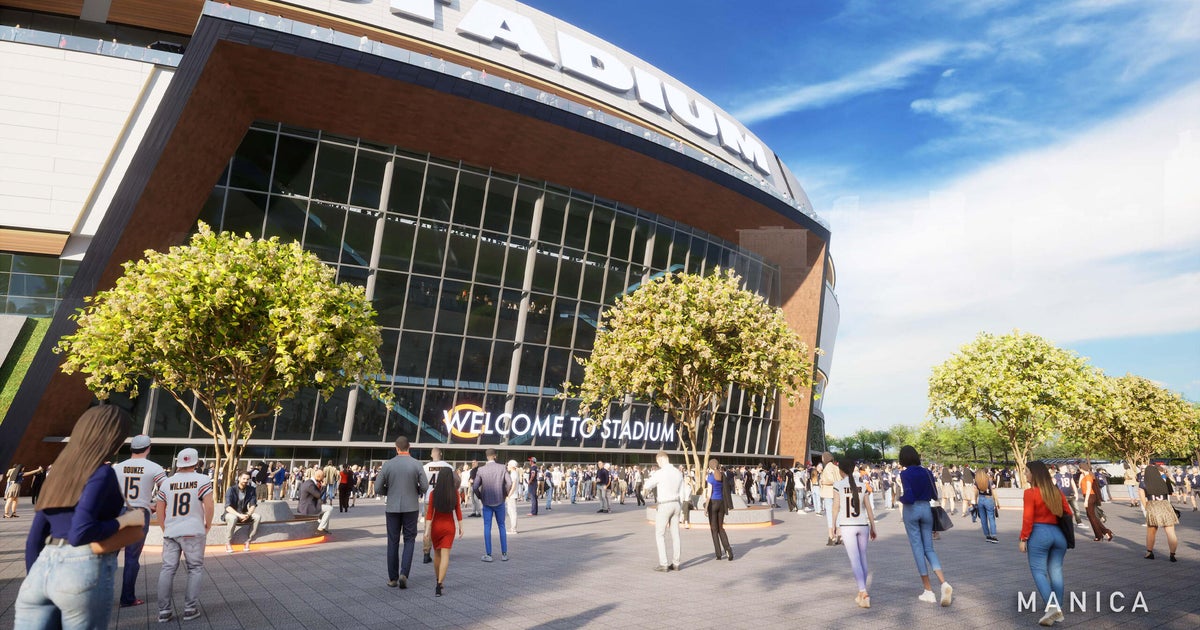
Lawmakers in Springfield are gearing up for a crucial hearing that could have a significant impact on the future of the Chicago Bears. A contentious proposal offering tax incentives and infrastructure support for a potential new stadium in Arlington Heights will be discussed in a public hearing by the Illinois House Revenue & Finance Committee. The legislation, known as the Mega Project Assessment Freeze and Payment Law, aims to provide tax certainty for projects costing at least $500 million, allowing negotiations with local governments to lock in property tax payments for an extended period. While proponents argue that this certainty is essential for the Bears to invest in a new stadium and surrounding development, critics question the use of public funds to support an NFL franchise.
The proposed legislation would freeze the Bears' property tax assessment for up to 40 years, with the team seeking over $850 million in state funding for necessary infrastructure improvements. Some lawmakers, like Illinois state Rep. Martin McLaughlin, oppose using public funds for the stadium project, advocating for private investors to bear the financial burden. McLaughlin emphasizes the regional benefits of the project and believes that private capital can drive the development without taxpayer involvement. However, supporters stress the urgency of the situation, highlighting the competition with Indiana, which is also vying to attract the Bears.
Rolling Meadows city manager Rob Sabo views the megaprojects bill as a catalyst for growth, emphasizing the potential job creation and economic impact for the region. He underscores the significance of the project for his city and the positive effects it could have on the community. With political pressure from Chicago and the financial obligations tied to Soldier Field, state lawmakers are united in their goal of retaining the Bears in Illinois. The impending vote on the megaprojects bill will determine the next steps in the negotiation process, with time constraints adding urgency to the decision-making process.
In conclusion, the outcome of the upcoming hearing and subsequent vote on the megaprojects bill will shape the future of the Chicago Bears and their potential relocation to Arlington Heights. The debate over public funding for the stadium project continues to divide lawmakers, with competing interests and regional considerations at play. The decision will not only impact the Bears' future but also have far-reaching implications for job creation, economic growth, and the overall development of the region. As Illinois strives to keep the Bears within its borders, the stakes are high, and the outcome of the legislative process will be closely watched by stakeholders and fans alike.