Exploring the Golden Age of Black Cinema: The 25 Best Black Movies of the 1990s
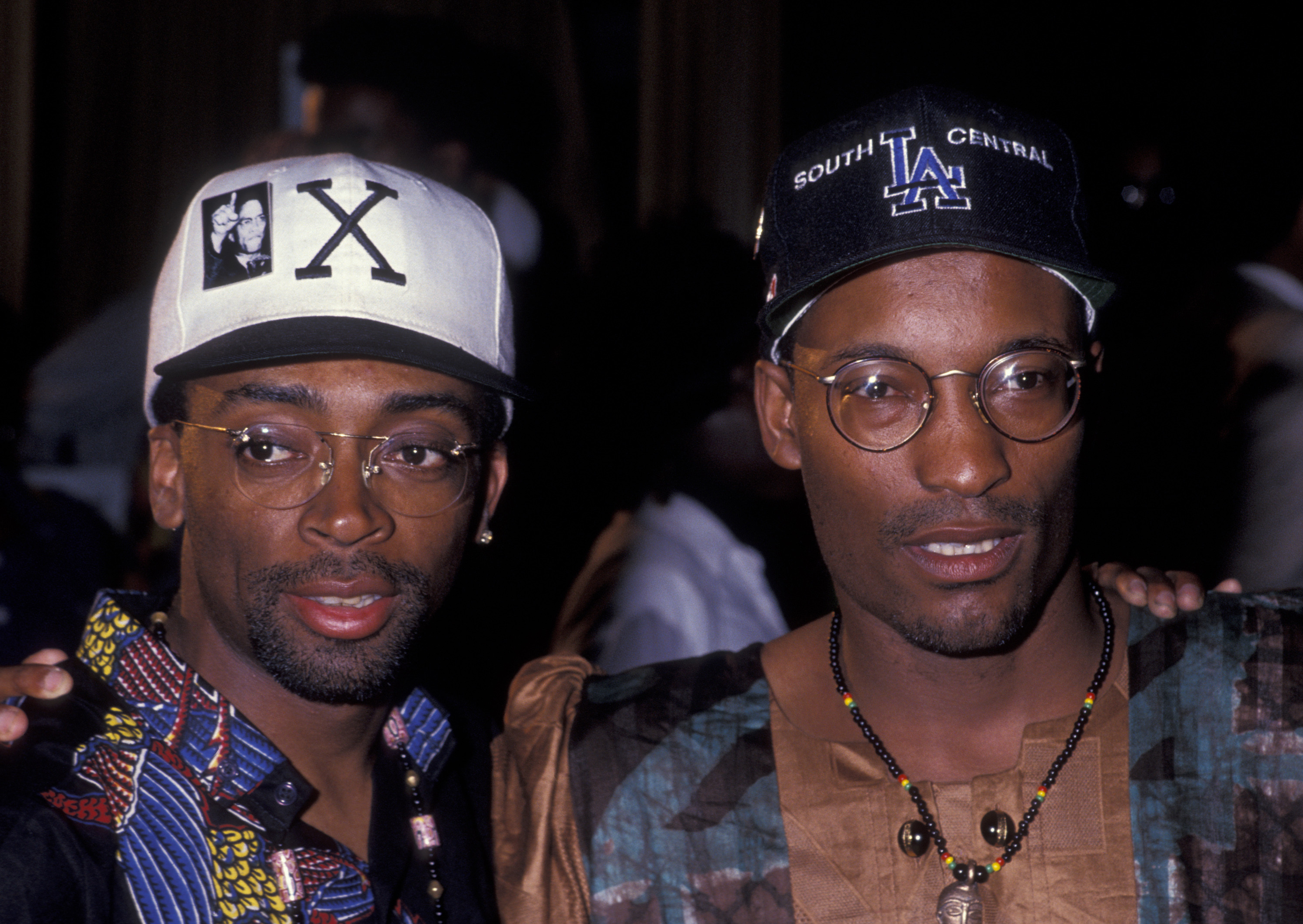
The Lumière Brothers released the first motion picture in 1895, but it took several decades for Black individuals to receive recognition in the film industry. Stepin Fetchit was the first Black person to earn screen credit, followed by Hattie McDaniel, who won an Academy Award in 1940. Sidney Poitier made history by becoming the first African American man to win an Academy Award for Best Actor in 1964. John Singleton's directorial debut with "Boyz n the Hood" in 1991 marked the nomination of a Black director for the Best Director Oscar, signaling a shift in American cinema. The 1990s saw a surge in Black cinema, with a diverse range of films exploring street stories, horror, neo-noir, and biopics.
The 1990s were a pivotal decade for Black movies, showcasing a variety of narratives and genres that resonated with audiences. From Hype Williams' visually striking "Belly" to Rusty Cundieff's socially conscious horror anthology "Tales from the Hood," Black filmmakers pushed boundaries and told stories that reflected the realities of Black life. Leslie Harris' indie feature "Just Another Girl on the I.R.T." offered a poignant coming-of-age tale set in Brooklyn, while Mario Van Peebles' "New Jack City" delved into the crack epidemic in New York City. Forest Whitaker's directorial debut "Waiting to Exhale" highlighted the experiences of Black women in love and relationships, showcasing a different perspective in mainstream cinema.
Robert Townsend's "The Five Heartbeats" and Theodore Witcher's "Love Jones" explored themes of brotherhood, friendship, and unconventional love, resonating with audiences for their heartfelt storytelling. John Singleton's historical drama "Rosewood" shed light on the 1923 Rosewood massacre in Florida, addressing the horrors of racism in America's past. Bill Duke's crime movie "Deep Cover" offered a subversive take on the war on drugs, with Laurence Fishburne delivering a standout performance. F. Gary Gray's heist film "Set It Off" centered on four women robbing banks, breaking stereotypes and showcasing the complexity of female characters in cinema.
Carl Franklin's neo-noir "Devil in a Blue Dress" and Reginald Hudlin's romantic comedy "Boomerang" provided unique perspectives on storytelling, blending genres and showcasing Black talent in leading roles. Spike Lee's basketball drama "He Got Game" and Ernest R. Dickerson's coming-of-age film "Juice" explored themes of family, friendship, and ambition, resonating with audiences for their authenticity and depth. F. Gary Gray's comedy "Friday" and John Singleton's romantic drama "Poetic Justice" offered a mix of humor and heart, showcasing the diversity of Black storytelling in the 1990s.
In conclusion, the 1990s were a transformative decade for Black cinema, with filmmakers pushing boundaries and telling stories that reflected the richness and diversity of Black experiences. From gritty street tales to heartfelt romances, the 25 best Black movies of the 1990s showcased the talent and creativity of Black filmmakers and actors, paving the way for a new era of representation in Hollywood.