Journey into Consciousness: Exploring the Depths of Human Experience with Michael Pollan
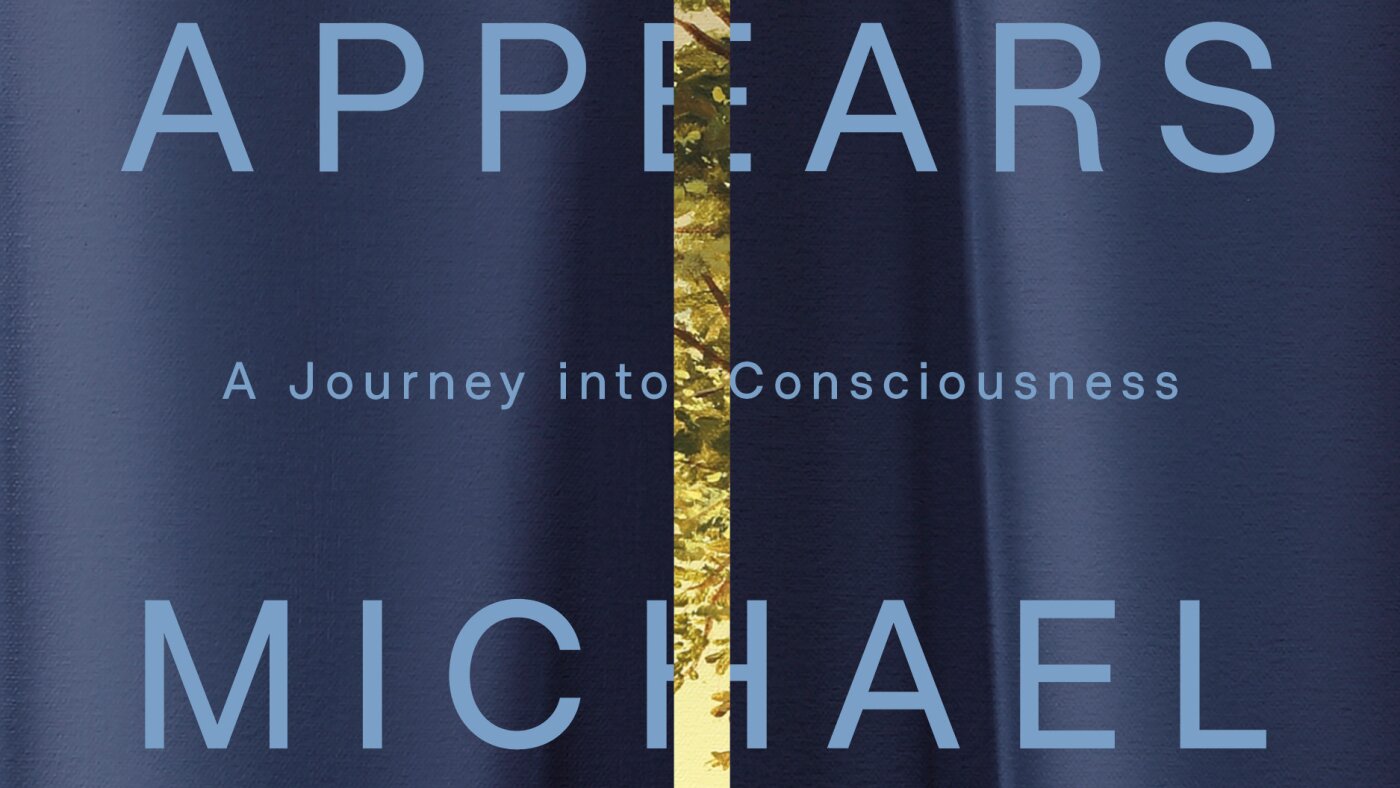
Exploring the concept of consciousness is a profound journey that author Michael Pollan embarked on after delving into the effects of psychedelics on altering consciousness. Pollan grapples with the fundamental question of how the brain generates subjective experience, a mystery that remains unsolved. In his book, "A World Appears: A Journey into Consciousness," Pollan delves into the personal and technological aspects of consciousness, challenging the notion that Artificial Intelligence can possess consciousness akin to human experience.
While some proponents argue that AI can simulate consciousness by viewing the brain as a computer and consciousness as software, Pollan contends that true thought is rooted in emotion and physicality. He emphasizes the connection between feelings, vulnerability, and mortality, suggesting that AI lacks the capacity for genuine emotion and suffering due to its lack of a physical body. The debate over whether moral obligations should extend to conscious AI beings raises complex ethical questions, contrasting with the limited consideration given to human and animal consciousness.
The exploration of consciousness extends beyond human experience to encompass the sentience of plants, which exhibit remarkable abilities such as sight, hearing, memory, and even anesthesia. Pollan highlights the intriguing behaviors of plants, such as mimicking other plants and communicating through chemical signals, challenging traditional notions of consciousness. The dual states of awareness observed in plants suggest a level of consciousness that defies conventional understanding.
In a world dominated by technology and media, Pollan expresses concern about the diminishing space for spontaneous thought and contemplation. He warns against the commodification of attention by corporations seeking to capitalize on human attachments, emphasizing the importance of preserving the sanctity of consciousness. The erosion of mental freedom and the encroachment of external influences pose a threat to the essence of consciousness, prompting reflection on the value of unstructured thought.
The paradoxical nature of self-perception emerges as Pollan explores the conflicting desires for self-assurance and self-transcendence. While society values confidence and individuality, there is a simultaneous yearning to transcend the self through various means, including sports, art, and meditation. The ego, as a defensive construct, both separates and connects individuals, highlighting the complex interplay between self-awareness and selflessness in human experience.
Writing a book that grapples with the enigmatic nature of consciousness proved to be a challenging yet transformative endeavor for Pollan. Amid moments of despair and frustration, he was guided by a shift in perspective that emphasized the wonder and beauty of consciousness itself. Embracing the mystery and complexity of consciousness as a phenomenon, Pollan discovered a newfound appreciation for the intricacies of the human mind, transcending the confines of problem-solving to embrace the awe-inspiring nature of consciousness.