Rocking the Stage: Bruce Springsteen's High-Energy Performances and Business Lessons
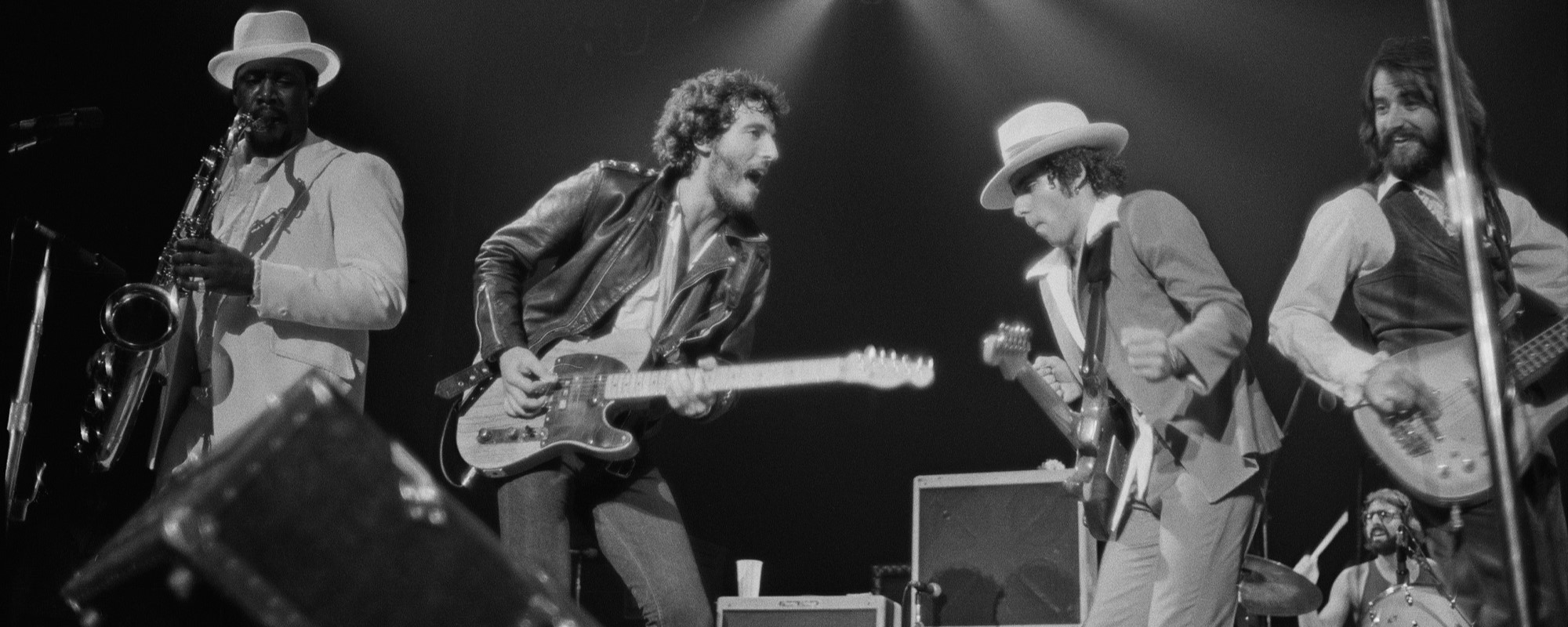
Bruce Springsteen is renowned not only for his songwriting but also for his electrifying performances with The E-Street Band. From his early days playing in small venues to becoming a rock icon, Springsteen's high-energy shows have captivated audiences worldwide. In his autobiography, "Born to Run," he shared a story about how his energetic performance once cost him a booking with a venue owner.
Before achieving fame, Springsteen honed his craft by playing in small, low-paying gigs, hoping for a breakthrough. His talent caught the attention of Columbia Records, which signed him in 1972 at the age of 22. By 1975, Springsteen had established himself as a major figure in the American music scene, selling out large venues and embarking on successful tours.
Springsteen's ability to entertain and engage audiences played a significant role in his rise to stardom. However, his penchant for high-energy performances led to a fallout with a venue owner in the past. During a show with a stripped-down lineup, Springsteen and his bandmates inadvertently disrupted the venue's liquor sales, resulting in the loss of future bookings.
Despite delivering a memorable performance that thrilled the crowd, the lack of alcohol sales at the venue displeased the manager. Springsteen and his bandmates were informed that the venue's primary source of revenue was liquor sales, and their focus on the music had hindered the bar's profitability. This incident highlighted the importance of balancing entertainment with the venue's business interests.
Bruce Springsteen's career is a testament to his musical talent and captivating stage presence. While his energetic performances have enthralled audiences for decades, they have also taught valuable lessons about the dynamics of live music venues. Balancing entertainment with commercial considerations is essential for sustaining successful partnerships in the music industry.