Exploring President Trump's Tariff Powers: Challenges, Options, and Historical Precedents
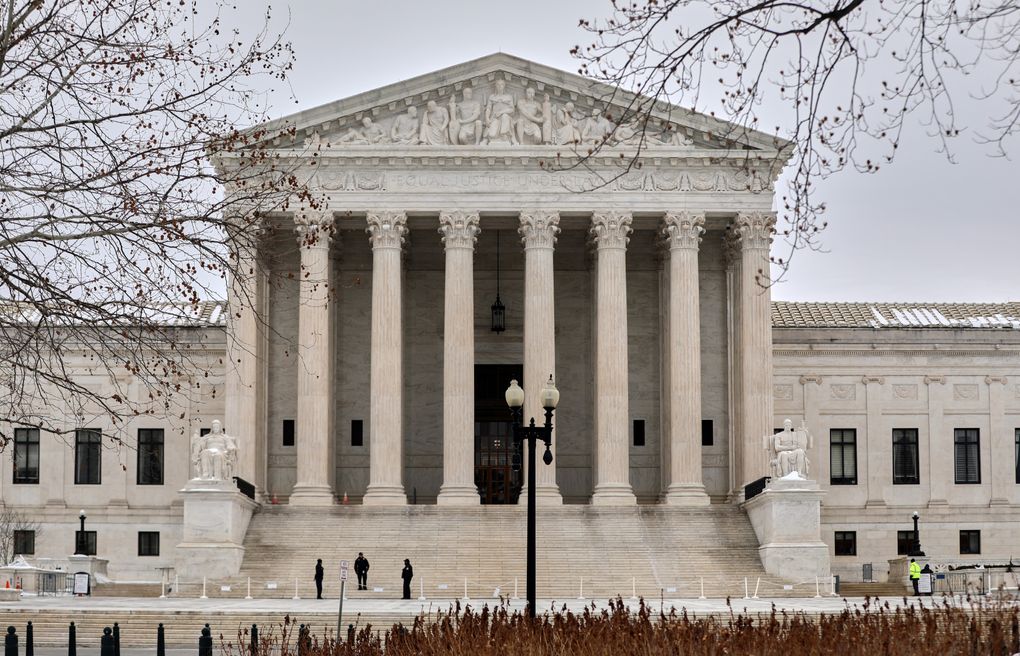
President Donald Trump's ability to impose tariffs has faced challenges, but he still has various options to continue taxing imports aggressively. The Supreme Court recently struck down the tariffs he imposed last year, questioning his broad authority to impose tariffs as he sees fit. Despite this setback, Trump can utilize other tariff powers available to him, including those dating back to the Great Depression.
Trump's reliance on tariffs has been a significant aspect of his foreign and economic policy, with reciprocal tariffs imposed on numerous countries. The average U.S. tariff has significantly increased during his second term, reaching the highest level since 1934. While the Constitution grants Congress the power to tax and impose tariffs, Trump has taken unilateral action in this regard.
One key tool that Trump has used to impose tariffs is Section 301 of the Trade Act of 1974, which allows the U.S. to address trade practices deemed unjustifiable or discriminatory. This provision has been particularly instrumental in the trade disputes with China, where tariffs have been imposed to counter unfair practices. However, the process of conducting investigations and public hearings before imposing Section 301 tariffs can be laborious.
Another authority that Trump has utilized is Section 232 of the Trade Expansion Act of 1962, which enables the imposition of tariffs on imports deemed a threat to national security. This provision has been used to levy tariffs on various products, including steel, aluminum, autos, and furniture. The administration has significant control over the outcome of Section 232 investigations, similar to Section 301 cases.
Looking back at history, the Tariff Act of 1930, known as the Smoot-Hawley tariffs, imposed hefty taxes on imports during the Great Depression. While widely criticized for exacerbating economic woes, this law still authorizes the president to impose tariffs of up to 50% on countries discriminating against U.S. businesses. Despite never being imposed, this provision remains a potential tool for imposing tariffs.
In conclusion, despite the Supreme Court's ruling on Trump's tariff powers, he still has various options at his disposal to continue imposing tariffs on imports. The use of Section 301, Section 232, and the Tariff Act of 1930 provides avenues for the administration to address trade issues and protect national interests through tariff measures.