Supreme Court Invalidates Trump's Tariff Policies: Exploring Alternative Approaches
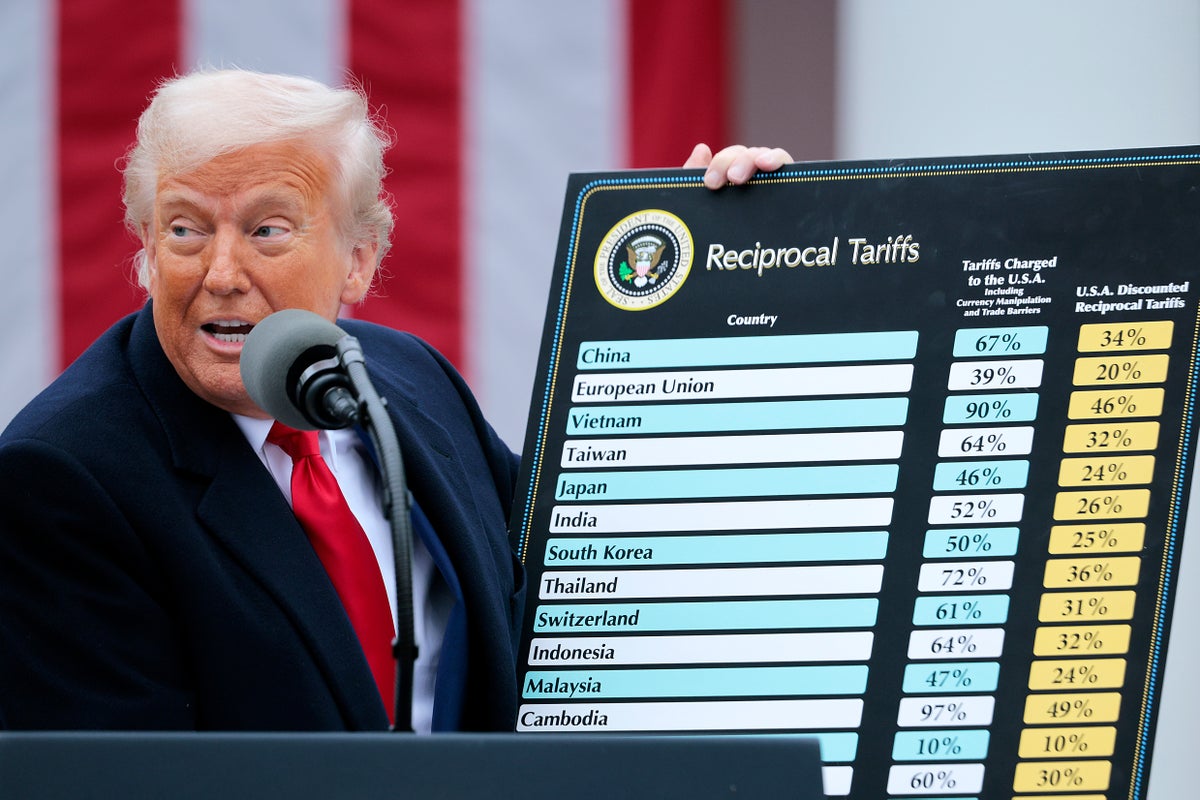
The Supreme Court has invalidated President Donald Trump's extensive tariff policies, marking a significant setback to his economic agenda. The court ruled that the tariffs imposed by the president were not authorized under the International Emergency Economic Powers Act of 1977. Chief Justice John Roberts emphasized the need for clear congressional authorization for such actions in a 6-3 decision, with Justices Thomas, Alito, and Kavanaugh dissenting.
The Trump administration is exploring alternative approaches to maintain similar tariffs despite the court's ruling. The president had invoked the International Emergency Economic Powers Act to impose tariffs on various trading partners, citing national security concerns and trade imbalances. However, the global stock market experienced a downturn, and small businesses filed lawsuits challenging the tariffs' legality under the emergency act.
Lower courts had previously ruled against the administration, stating that the president had exceeded his authority in declaring a national emergency to impose tariffs. During oral arguments at the Supreme Court, justices expressed skepticism about Trump's tariff strategy. Chief Justice Roberts highlighted that tariffs are essentially taxes on Americans, a power reserved for Congress, while Justice Barrett questioned the necessity of imposing tariffs on close allies like Spain and France.
Despite Trump's fervent support for the tariffs, White House officials and trade advisers have acknowledged the possibility of an adverse ruling from the Supreme Court. They have indicated that the administration is prepared with a backup plan to levy taxes on imports using other trade law provisions. The decision has raised concerns about the potential economic repercussions of returning tariff revenue and the impact on national security.
In conclusion, the Supreme Court's ruling against President Trump's tariffs underscores the importance of congressional authorization for such economic policies. The decision has prompted the administration to consider alternative strategies to maintain tariffs on imports, highlighting the complexities of trade policy and the balance of power between the executive and legislative branches.