Supreme Court Ruling Limits Trump's Tariff Powers: Implications and Challenges Ahead
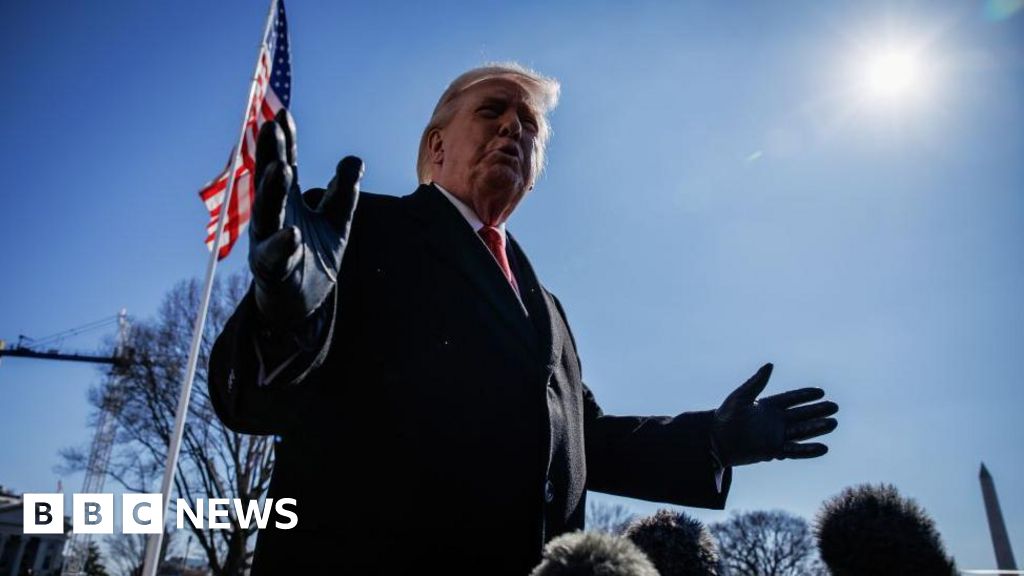
The recent Supreme Court decision has dealt a blow to President Donald Trump's authority to impose tariffs. The court ruled that only Congress has the power to impose tariffs, not the president. This decision marks a rare check on Trump's broad use of executive authority, particularly in the realm of trade policy. It signals a potential shift in the balance of power between the executive and legislative branches of government.
While the court's decision may weaken Trump's ability to force concessions from other nations through tariffs, it also raises questions about the fate of the tariff revenue collected over the past year. The process of determining how to handle this issue is likely to be complex and messy, as noted by Justice Brett Kavanaugh in his dissent.
Moving forward, Trump's options for imposing tariffs will be more limited and require a longer lead-in time. The days of unilateral, high-tariff impositions may be over, as new tariffs will need to adhere to stricter guidelines and procedures. Trump could seek explicit authorization from Congress to regain his tariff powers, but with narrow Republican majorities and upcoming midterm elections, this path seems uncertain.
The Supreme Court's decision may come as a relief to some of Trump's conservative allies in Congress, who have faced backlash over the president's unpopular tariff policies. The ruling reduces the vulnerability of Republican candidates in battleground states and districts, shielding them from potential Democratic attacks.
As Trump prepares to deliver his State of the Union Address, he will face the justices who delivered this significant blow to his trade agenda. The decision underscores the importance of checks and balances in the American political system and highlights the limits of executive authority in shaping trade policy.