The Last Kings of Hollywood: Pioneers of Artistic Independence in the Age of Technology
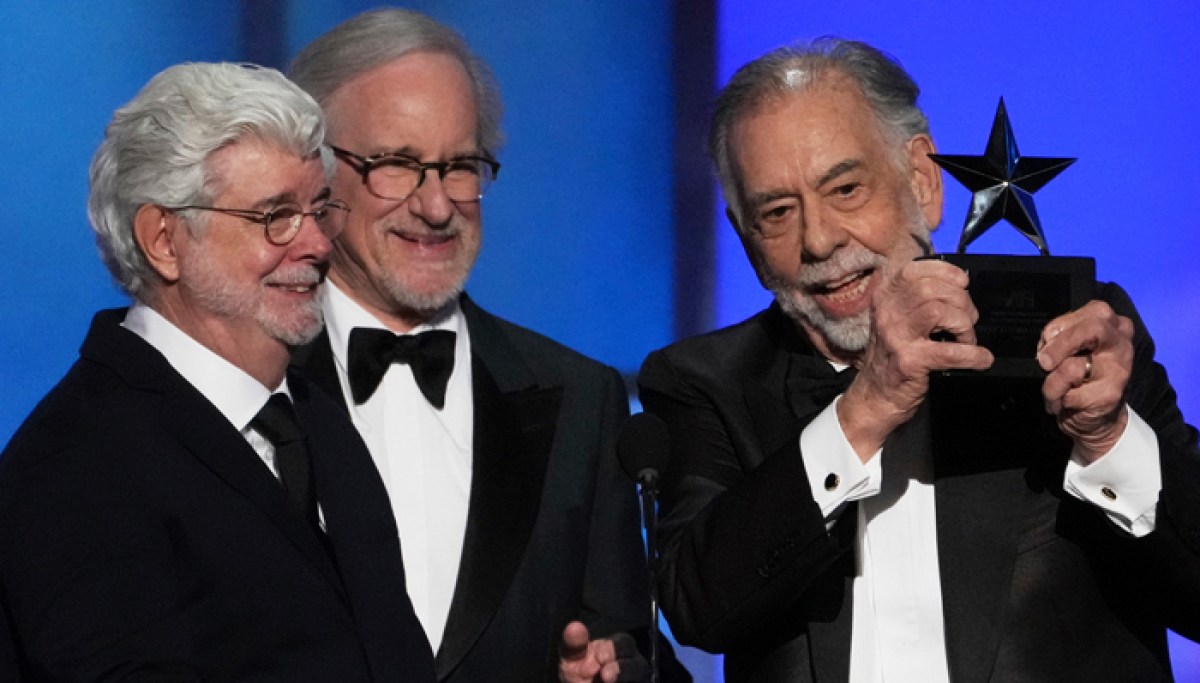
The advent of new technologies was once seen as a game-changer for Hollywood, offering filmmakers the freedom to create professional-quality content without studio interference. George Lucas and his contemporaries believed that controlling production means controlling creative vision, as exemplified by Lucas's Skywalker Ranch and its cutting-edge technology.
In "The Last Kings of Hollywood," Paul Fischer explores how filmmakers like Francis Ford Coppola and Lucas paved the way for the rise of franchise films by prioritizing artistic independence. Coppola's American Zoetrope and Lucas's THX 1138 marked early attempts at filmmaking without compromise, setting the stage for their lifelong pursuit of creative autonomy.
Fischer delves into the contrasting personalities of Coppola, the passionate Italian-American, and Lucas, the introverted tech enthusiast, highlighting their enduring friendship despite personal and professional differences. Steven Spielberg's collaboration with Lucas on the Indiana Jones franchise further underscores the shift towards commercially-driven filmmaking in Hollywood.
The rise of figures like Barry Diller at Paramount Pictures signaled a shift towards high-concept, easily franchised films, aligning with the creative inclinations of Lucas and Spielberg. As Coppola faced financial setbacks, Lucas and Spielberg's success reflected Hollywood's transformation into a global entertainment enterprise focused on middlebrow fantasy.
While Fischer's book offers a comprehensive look at the industry's evolution, it also raises questions about the artistic merit of technologically-driven filmmaking. The success of self-financed projects like "Iron Lung" by YouTube star Markiplier underscores the challenges of balancing technological innovation with artistic quality in a changing cinematic landscape.
As Hollywood grapples with the impact of technological advancements on filmmaking and audience tastes, the legacy of filmmakers like Coppola, Lucas, and Spielberg serves as a reminder of the complex interplay between creativity, commerce, and cultural relevance. "The Last Kings of Hollywood" offers a compelling exploration of this dynamic, shedding light on the enduring influence of these cinematic icons.