Deus Ex Machina in Narrative Endings: George R.R. Martin's Critique and Crafting Satisfying Conclusions
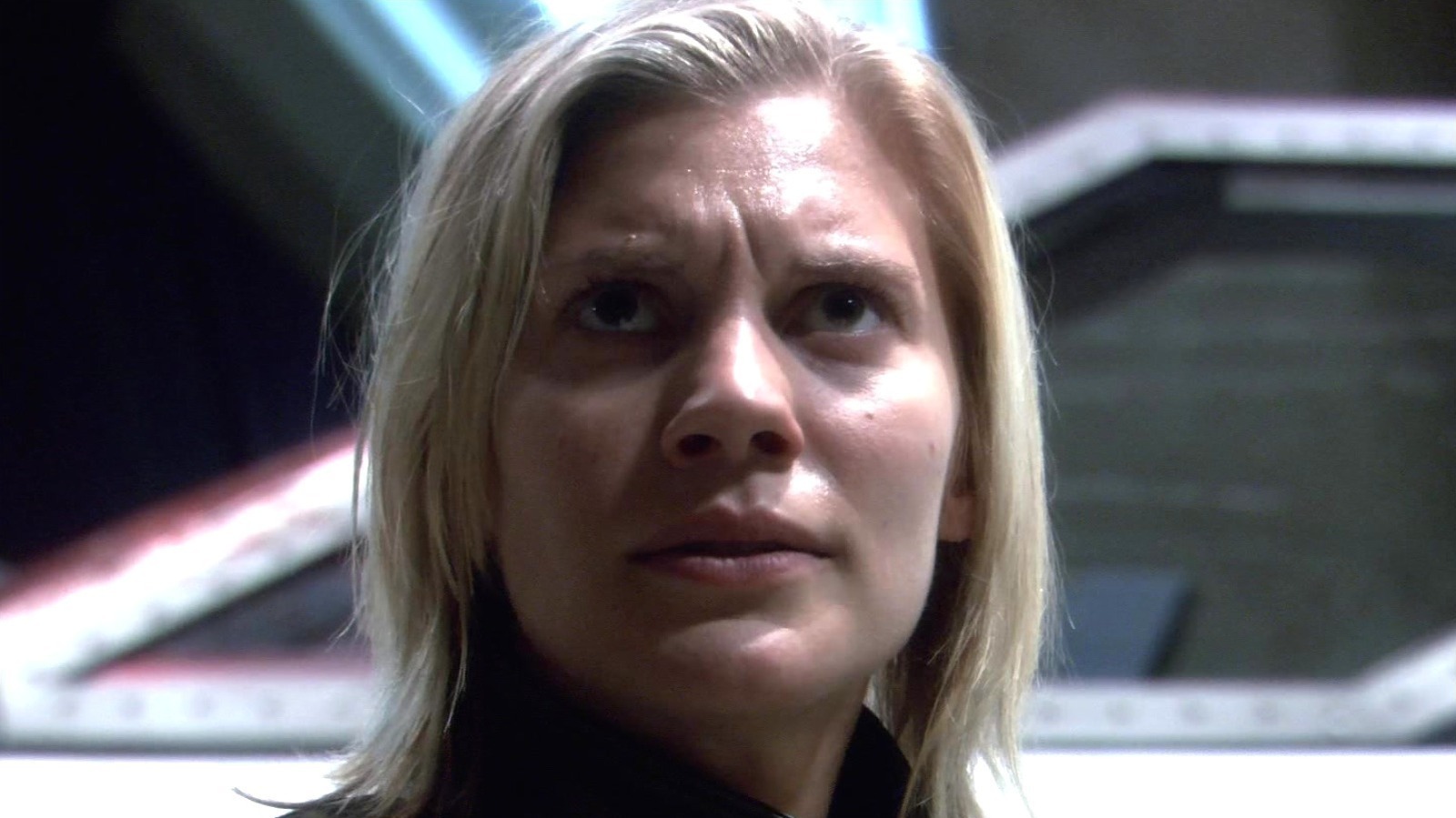
Crafting a satisfying conclusion to a complex narrative can be a challenging task. While some TV series finales are celebrated for their brilliance, others fall short of expectations, sparking debates among fans. One such divisive ending is that of the science fiction series "Battlestar Galactica," which left many viewers feeling disappointed. Author George R.R. Martin, known for the "A Song of Ice and Fire" series, openly criticized the finale in a blog post, condemning the use of deus ex machina as a lazy storytelling device. This ancient trope involves a god-like figure intervening to resolve plot conflicts conveniently, a technique Martin finds unsatisfactory.
Despite Martin's scathing critique of "Battlestar Galactica," some readers have pointed out instances of deus ex machina in his own work. While Martin distances himself from the final seasons of the TV adaptation of "Game of Thrones," some parallels can be drawn between his writing and the criticized trope. Fans have highlighted moments in both the books and the series where seemingly miraculous interventions occur, raising questions about narrative convenience. Martin's blog post also takes aim at other works, such as the TV series "Lost," expressing concerns about cliched endings and urging creators to craft their conclusions thoughtfully.
As a storyteller himself, George R.R. Martin's commentary on the use of deus ex machina in popular media offers insight into the challenges of concluding complex narratives. While critiquing the endings of other works, Martin's own storytelling choices have faced scrutiny from readers and viewers alike. Ultimately, the debate surrounding narrative resolutions serves as a reminder of the importance of crafting satisfying conclusions that resonate with audiences.