Exploring the Dark and Mysterious World of Hellboy: A Unique Alternative to Traditional Superhero Comics
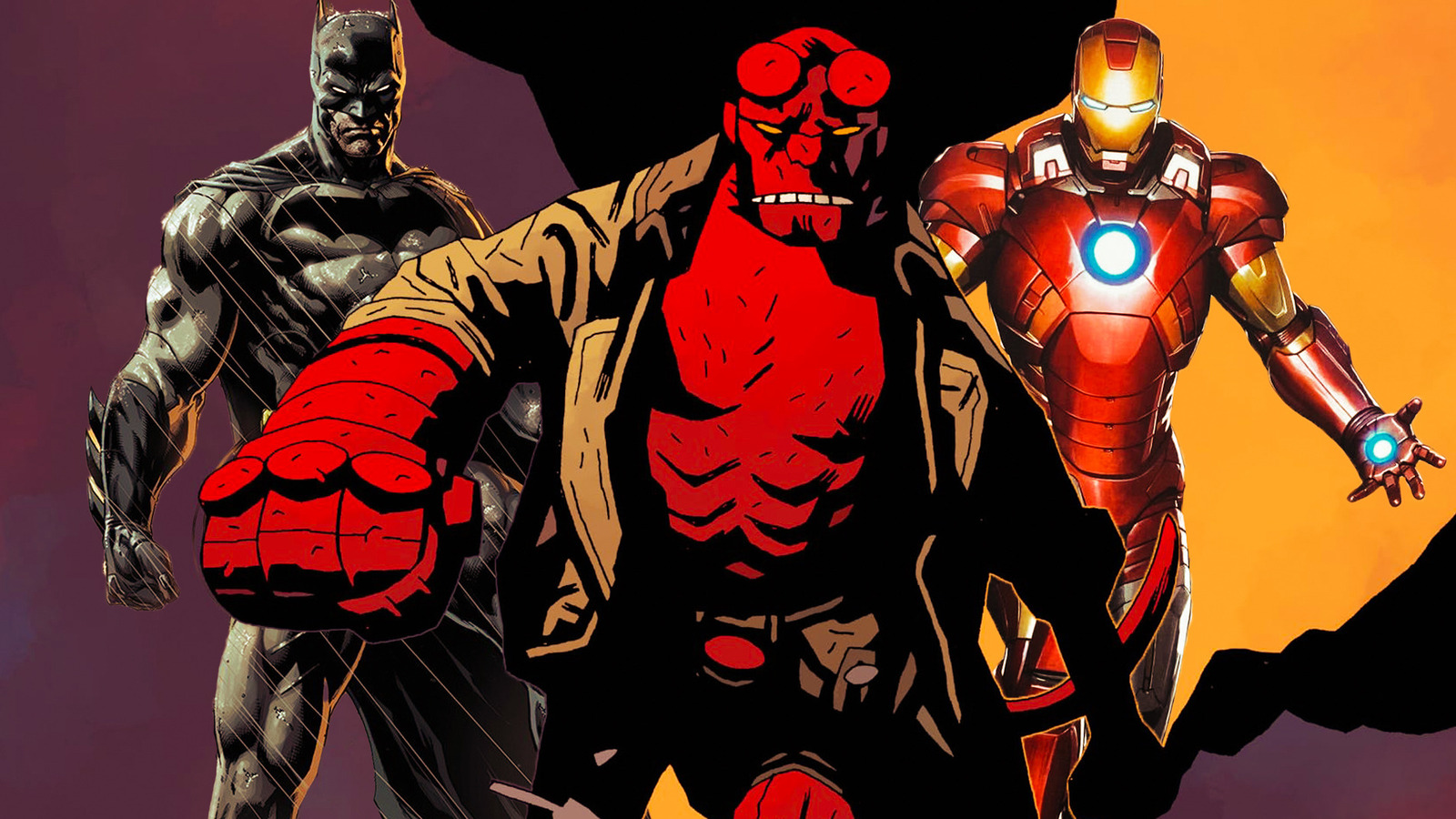
Superheroes are a common theme in American comic books, particularly those associated with Marvel or DC. These companies have popularized the shared universe storytelling approach, which has garnered a large fan base for their entire publishing line. As a lifelong fan of Marvel and DC, I have witnessed the success of this model over the years. However, as I have grown older, I have come to realize the limitations of these characters and stories, which often follow a cyclical pattern leading to diminishing returns. Despite my enduring love for Marvel and DC, I have discovered that comic books offer much more beyond these two giants.
One of the most fulfilling comic book experiences I have had was delving into Mike Mignola's "Hellboy" series. This series follows the adventures of Hellboy, a paranormal investigator with the Bureau for Paranormal Research and Defense (B.P.R.D.). Hellboy, a demon with a kind heart, battles malevolent monsters alongside his quirky colleagues like Abe Sapien and Liz Sherman. Since its inception in 1994 with "Seed of Destruction," the "Hellboy" series has captivated audiences with its dark and richly detailed world. Over the past three decades, Mignola has expanded this universe, creating a vast and intricate mythos.
While Dark Horse Comics initially lagged behind Marvel and DC, the "Hellboy" series has propelled them into the spotlight with a universe that rivals the big two in scope. The "Mignolaverse" encompasses various spin-offs and characters, from the pulp hero Lobster Johnson to the cursed warrior Koshchei the Deathless. Unlike the shared universes of Marvel and DC, the "Hellboy" universe is intricately tied to its creator, Mike Mignola, who has crafted a unique and visually striking world.
Mignola's distinctive art style sets "Hellboy" apart from traditional superhero comics. His minimalist compositions, use of dark colors, and eerie backgrounds filled with monsters create a sense of foreboding and mystery. Drawing inspiration from a diverse range of sources, Mignola infuses his work with a blend of horror, fantasy, and adventure elements that resonate with readers.
Unlike the ongoing series of Marvel and DC, the Mignolaverse primarily consists of self-contained stories and short miniseries. This format allows for easier entry into the world of Hellboy, as readers can enjoy standalone adventures without the need to follow a complex continuity. Each story offers a satisfying experience on its own, while also contributing to the larger tapestry of the Mignolaverse.
Despite the non-linear storytelling approach of the Mignolaverse, Hellboy's journey follows a clear trajectory. From his early encounters with supernatural threats to his ultimate fate in "Hellboy in Hell," the series charts his evolution as a character and his confrontation with his apocalyptic destiny. The interconnected nature of the stories adds depth and complexity to Hellboy's narrative, making each installment a crucial piece of the overarching saga.
In conclusion, the "Hellboy" series stands out as a unique and compelling addition to the world of comic books. With its rich mythology, engaging characters, and distinctive art style, the Mignolaverse offers a refreshing alternative to the traditional superhero fare of Marvel and DC. Whether you're a seasoned comic book fan or a newcomer to the genre, exploring the dark and mysterious world of Hellboy is sure to be a rewarding experience.