Unearthing Underrated Horrors: Hidden Gems of the 2010s
The horror genre in the 2010s saw a surge of innovative and captivating films that set the stage for the genre's evolution in the following decade. While movies like "The Babadook" and "Train to Busan" garnered critical acclaim and audience praise, there were several underrated gems from the 2010s that didn't receive the recognition they deserved. These films, often dismissed by audiences for various reasons, offered unique perspectives on horror themes and storytelling.
One such underrated film is "They Look Like People," which delves into the deteriorating mental health of Wyatt as he grapples with hallucinations of demons inhabiting human bodies. The slow-building tension and psychological depth of the film earned it critical acclaim, despite audience expectations for traditional jump scares. Critics appreciated the film's exploration of paranoia and loneliness, giving it a high rating on Rotten Tomatoes compared to audience reception.
"Sweetheart" follows Jenn's survival on a deserted island haunted by a humanoid monster, blending elements of survival horror with social commentary on gender dynamics. While critics praised the film's nuanced storytelling and character development, audiences were less impressed with the script and monster design, resulting in a disparity in Rotten Tomatoes scores.
"The Blackcoat's Daughter" weaves together three narratives of young women at a Catholic boarding school, culminating in a chilling tale of satanic worship and psychological horror. Despite critics lauding the film's tension and atmosphere, audiences found the story confusing and slow-paced, leading to mixed reviews.
In "Oculus," Kaylie investigates a haunted mirror linked to her parents' deaths, uncovering a sinister force that challenges her sanity. While critics commended the film's unsettling atmosphere and allegorical depth, audiences criticized its pacing and narrative coherence, highlighting a divide in reception.
"The Transfiguration" explores the life of Milo, a teenager who believes he is a vampire, blending elements of coming-of-age drama with socio-economic commentary. While critics appreciated the film's unique take on the vampire genre, audiences found it slow-paced and overly obsessive, resulting in varying Rotten Tomatoes scores.
"We Are Still Here" follows Anne and Paul as they confront a malevolent entity in their new home, leading to a showdown between the town and vengeful spirits. Critics praised the film's homage to classic horror tropes, while audiences criticized its execution and special effects, showcasing a divide in reception.
"The Battery" portrays the complex relationship between two survivors in a zombie apocalypse, focusing on their emotional journey rather than traditional horror elements. Critics admired the film's character-driven narrative, while audiences found it lacking direction and engaging, leading to differing Rotten Tomatoes scores.
"Unsane" follows Sawyer's struggle to escape her stalker in a mental health facility, blurring the lines between reality and paranoia. While critics praised the film's tension and Foy's performance, audiences felt the story was contrived and unrealistic, highlighting a disparity in reception.
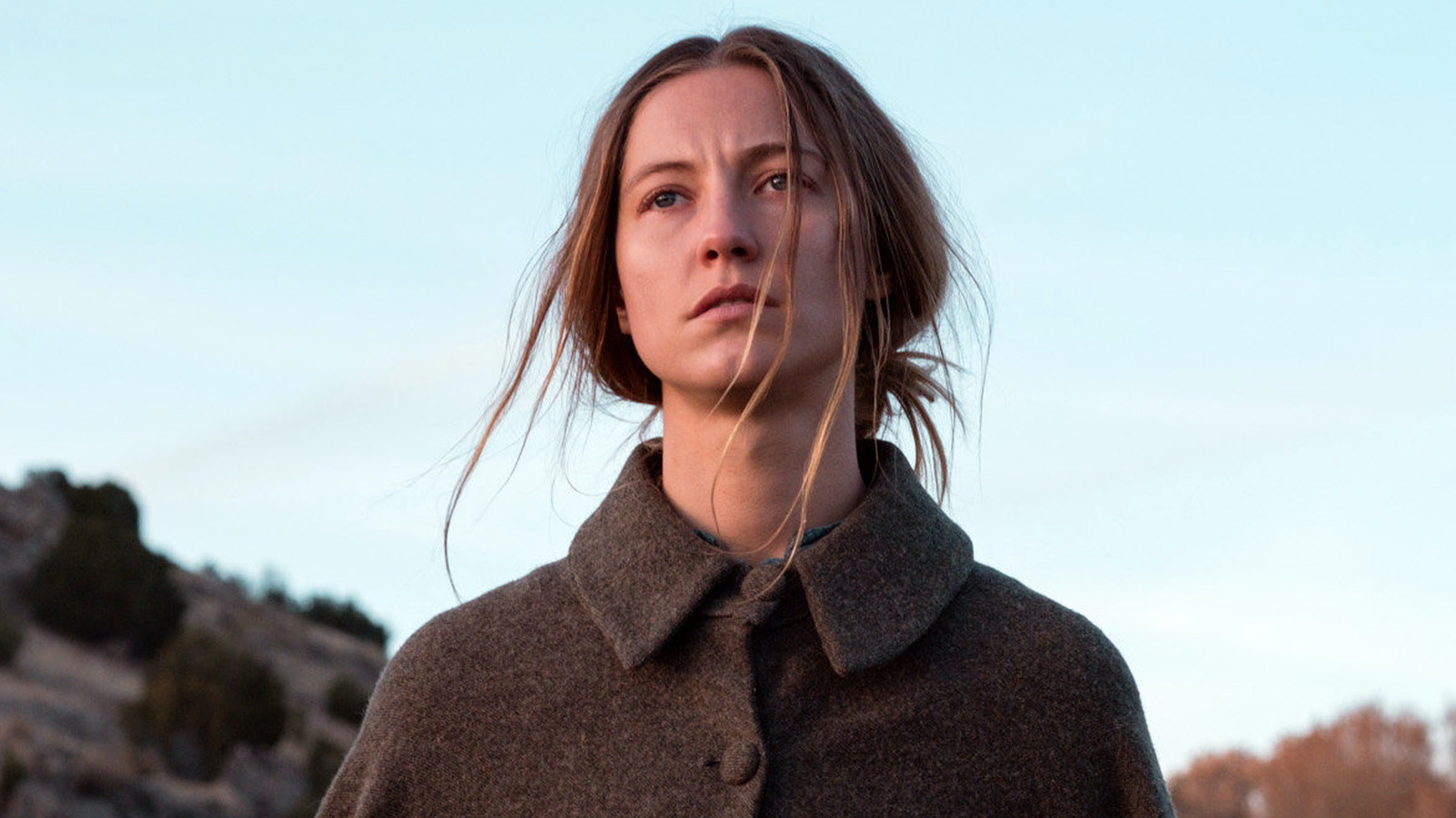
"The Wind" explores themes of loneliness and paranoia in a frontier setting, as two couples grapple with demonic forces and unsettling visions. While critics appreciated the film's allegorical depth and female-centered narrative, audiences found the non-linear storytelling and slow burn pacing underwhelming, resulting in mixed reviews.
"Unfriended: Dark Web" follows Matias as he uncovers a dark secret on a stolen computer, leading to a series of chilling events during a virtual game night. Critics and audiences were divided on the film's execution, with some praising its innovative screenlife format and others critiquing its narrative coherence.
In conclusion, the 2010s offered a diverse range of horror films that challenged traditional conventions and explored complex themes. While some of these films may have been overlooked by audiences, they continue to resonate with critics for their innovative storytelling and thematic depth, solidifying their status as underrated gems of the decade.