Musical Odyssey: Mikael Akerfeldt's Influences and Artistic Evolution
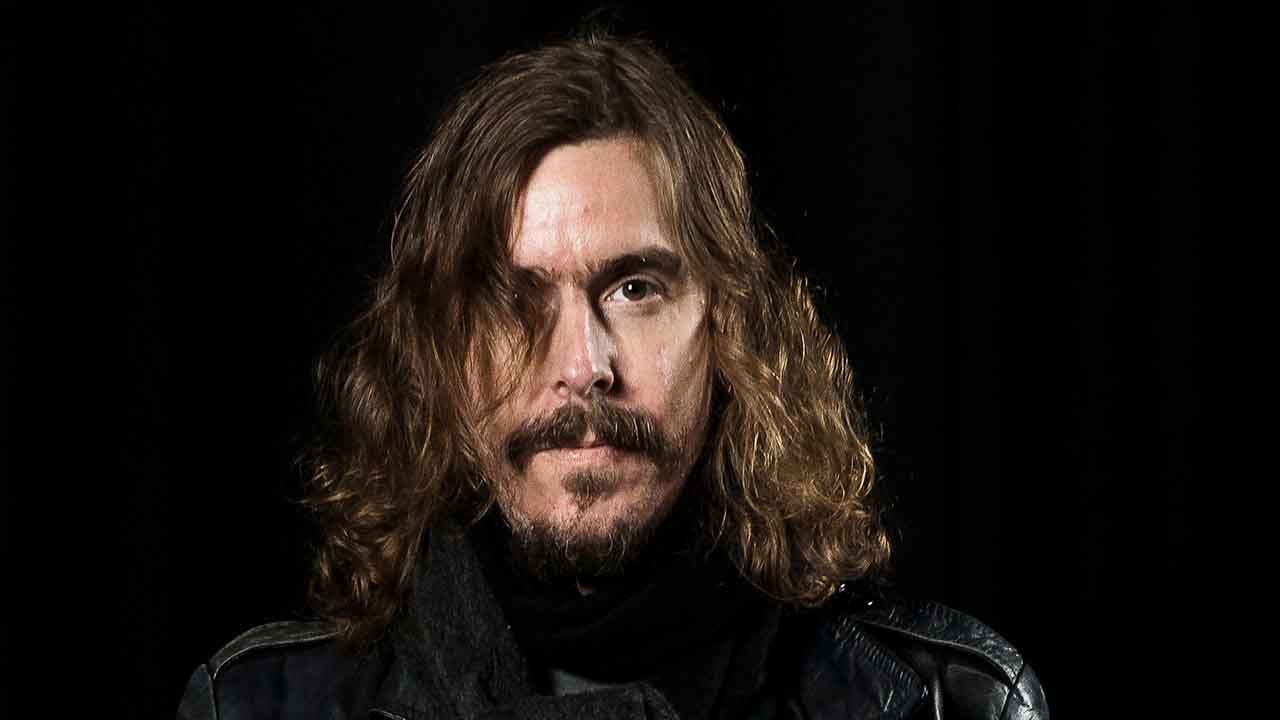
Mikael Akerfeldt, the frontman of Opeth, has undergone a musical journey spanning over 30 years, transitioning from a death metal band to progressive rock pioneers. Akerfeldt's passion for music extends beyond his own creations, as he is an avid vinyl collector with a deep appreciation for rock and metal. In a 2017 interview, he shared the albums that have shaped his musical identity and influenced his artistry.
At the tender age of eight, Akerfeldt embarked on a mission to purchase a metal record, leading him to Iron Maiden's iconic album "The Number Of The Beast" released in 1982. This album holds a special place in his heart, ingrained in his very being, shaping his musical DNA.
Alice Cooper's "Constrictor" from 1986 made a significant impact on Akerfeldt during his school days. The track "He's Back (The Man Behind the Mask)" from the Friday the 13th Part VI: Jason Lives soundtrack resonated with his peers, creating a pop-infused rock memory that left a lasting impression.
The eerie allure of Black Sabbath's self-titled debut album from 1970 captivated Akerfeldt, particularly the haunting cover art that has intrigued him for years. His quest to find the artist behind the cover art remains unfulfilled, as he envisions collaborating with the elusive creator for an Opeth album sleeve.
Judas Priest's "Defenders of the Faith" album from 1984 introduced Akerfeldt to the band's electrifying sound, with the track "Freewheel Burning" leaving a lasting impact. However, a mix-up with the album "Rocka Rolla" led to confusion over the vocalist's name, highlighting Akerfeldt's early encounters with the metal scene.
A fascination with occult themes led Akerfeldt to Anton Szandor LaVey's "The Satanic Mass" from 1968, an audio recording of a Black Mass that piqued his interest in the darker realms of music. Despite his intrigue, Akerfeldt admits to never playing the recording in its entirety due to waning attention.
The experimental nature of Judas Priest's "Turbo" album from 1986 challenged traditional metal conventions with the introduction of synthesizers, a departure from the band's signature sound. Akerfeldt's appreciation for the album extends to the unconventional tracks, showcasing his affinity for diverse musical styles.
Akerfeldt's admiration for The Beatles shines through in his reverence for "The White Album" from 1968, a testament to the band's unparalleled musical legacy. His affinity for British bands extends to The Beatles, whom he considers the greatest rock band in history, with a preference for their extensive discography.
In a stark contrast, Akerfeldt expresses disdain for The Offspring's "Conspiracy of One" album from 2000, dismissing the band as a joke and questioning their musical appeal. His candid critique reflects his discerning taste and uncompromising stance on music that fails to resonate with him.
The emotional journey of The Beatles' "Abbey Road" album from 1969 offers Akerfeldt a choice between melancholy and jubilation, with tracks like "Golden Slumbers" evoking a range of emotions. His appreciation for the album's versatility underscores his nuanced approach to music.
Opeth's "Heritage" album from 2011 marked a significant departure for the band, eliciting mixed reactions from fans while garnering praise from Akerfeldt and his bandmates. Despite the initial backlash, Akerfeldt stands by the album as a personal favorite, hinting at its potential to become a cult classic in the future.
In conclusion, Mikael Akerfeldt's eclectic musical journey reflects his diverse influences and unwavering passion for music. From metal classics to experimental soundscapes, his musical odyssey continues to shape his artistic vision and redefine the boundaries of progressive rock.