Regulating Artificial Intelligence: Missouri's Legislative Efforts on Deepfakes and AI in Political Campaigns
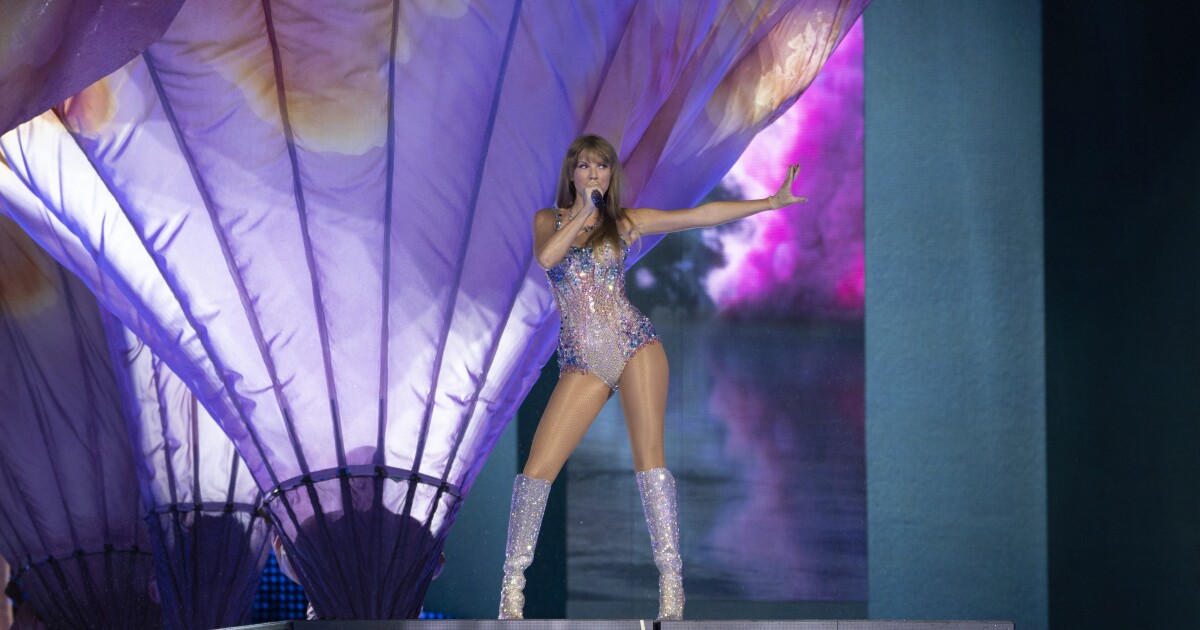
Missouri legislators are currently reviewing a series of bills aimed at regulating artificial intelligence, particularly focusing on deepfakes and the use of AI in political campaigns. One proposed bill, known as "The Taylor Swift Act," seeks to provide legal recourse for individuals depicted in deepfake images without their consent. The bill would allow individuals to sue for the distribution of AI-generated sexual images of them, with legal guardians able to file suits on behalf of children and teens in similar situations.
Several lawmakers have introduced similar bills addressing deepfakes, with plans to consolidate these proposals as they progress through the legislative process. Additionally, legislators are considering measures to limit the liability of companies responsible for developing or deploying AI systems that cause harm. Some lawmakers have expressed concerns about the complexity and rapid evolution of AI technologies, questioning whether the proposed bills have undergone sufficient discussion.
Another bill under consideration aims to shield AI companies from criminal liability if they adhere to federal safety guidelines established by the National Institute of Standards and Technology. This bill seeks to establish oversight and limit legal action against companies following federal guidelines. Lawmakers are also looking to other states' regulations on AI to inform their own legislation, as federal opposition to a patchwork of state laws complicates the regulatory landscape.
The proposed bills vary in their focus, with some specifically targeting intimate or sexual digital depictions, particularly those involving children and teens. Legislators are working to define offenses subject to criminal penalties or civil damages related to AI-generated content. Some bills address the disclosure or threat of disclosure of AI-generated sexual depictions to harm individuals, proposing penalties ranging from imprisonment to fines.
Lawmakers are grappling with the challenge of balancing the regulation of AI technologies while ensuring legal clarity and accountability. The diverse range of bills introduced reflects the complexity of addressing AI-related issues, with legislators seeking to strengthen and refine the proposed legislation through further discussion and collaboration. The legislative process aims to address the evolving landscape of AI technologies and their potential impacts on individuals and society.