Unraveling the Mystery: Investigative Genetic Genealogy in the Case of Nancy Guthrie
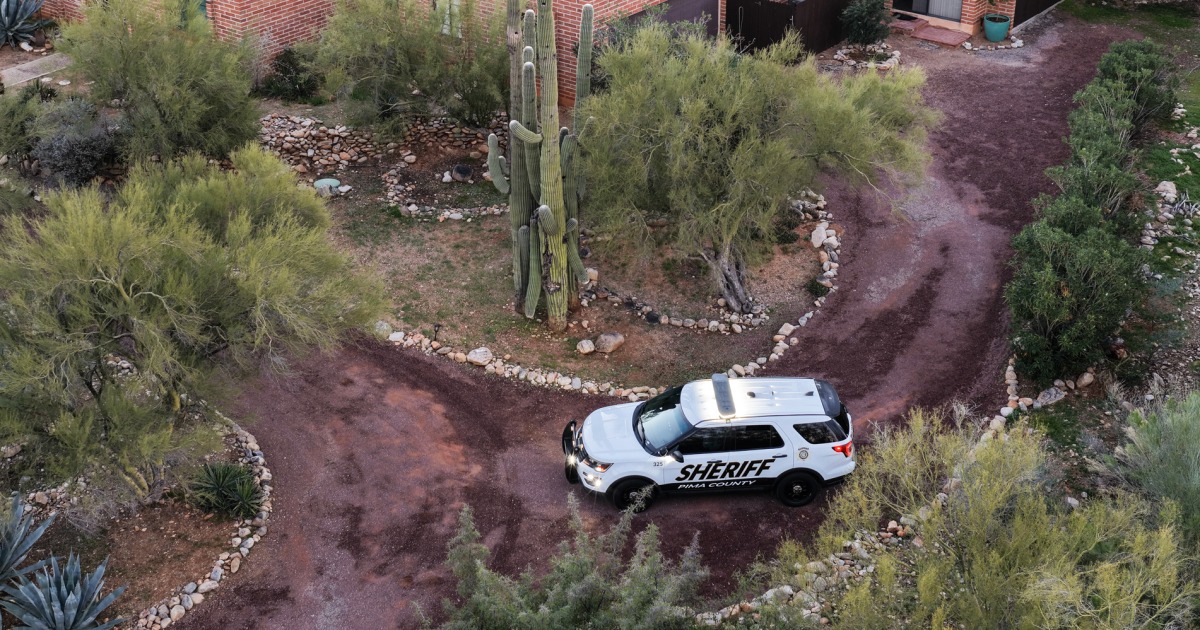
In Tucson, Arizona, investigators are using investigative genetic genealogy to solve the case of Nancy Guthrie, the missing 84-year-old mother of "TODAY" co-host Savannah Guthrie. Despite finding mixed DNA at Guthrie's home, authorities have not identified a suspect or person of interest. The DNA found does not match Guthrie, her family, or anyone who worked at the residence. The hope is that the DNA can be separated and analyzed using investigative genetic genealogy or entered into the FBI's DNA database, CODIS, to potentially identify the suspect.
However, the lab that received the DNA reported challenges with the sample, which could be related to the DNA ratio having too high a proportion of victim DNA. Genetic genealogists suggest that the suspect's DNA needs to be the major contributor in mixed DNA samples for successful analysis. Despite these challenges, investigative genetic genealogy has been successful in solving cold cases by creating digitized DNA profiles and searching ancestry databases to identify relatives and narrow down suspects.
The discovery of mixed DNA at the crime scene makes experts hopeful that it could be definitively tied to the kidnapper in this case. While challenges exist in separating DNA mixtures, forensic genetic genealogy specialists have had success in cases with mixed DNA. The process involves creating a DNA profile, extracting the suspect's DNA, and connecting it to potential relatives in ancestry databases. The speed of getting a hit with this process depends on the person's race, ancestry, and representation in the databases.
Despite limitations in database access for law enforcement, genetic genealogists can compare DNA profiles from databases like GEDMatch and FamilyTreeDNA. These databases have opt-in capabilities for law enforcement to compare profiles, but they are smaller compared to major ancestry tracing sites like Ancestry DNA and 23andMe. The smaller database size adds time to the investigative process, especially in cases like the Nancy Guthrie case, where time is crucial. Despite these challenges, investigative genetic genealogy remains a valuable tool in solving cold cases and identifying suspects.