Unveiling Saint Francis: A Rare Display of Devotion and Legacy
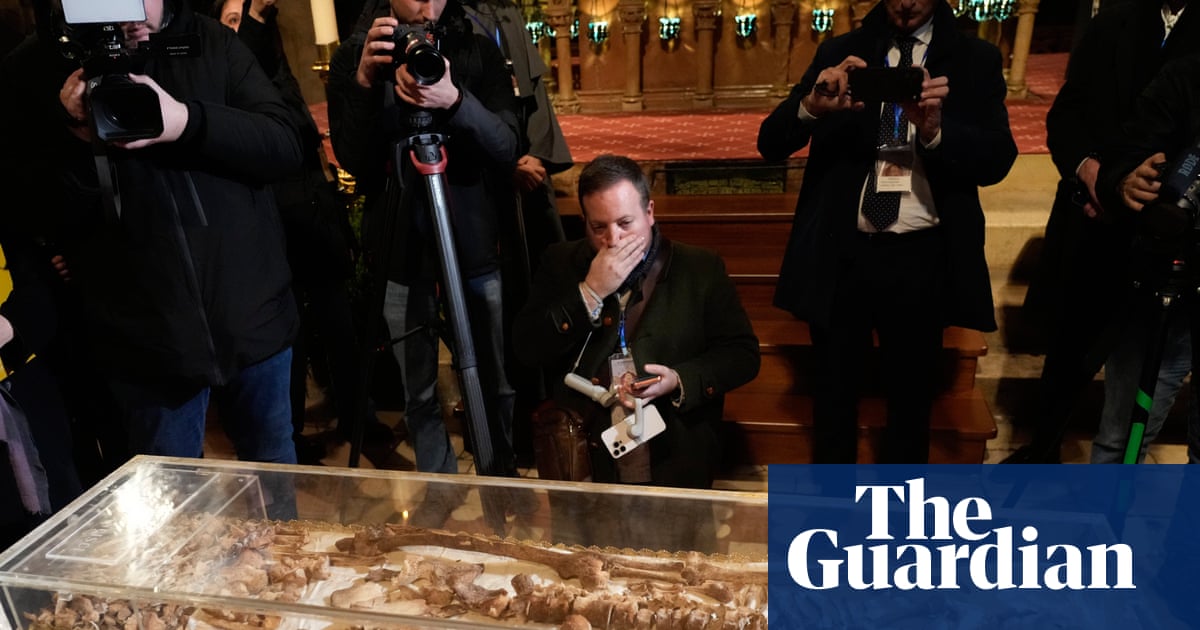
Saint Francis of Assisi's skeletal remains will be publicly displayed for the first time starting Sunday, expected to attract a large number of visitors to the Basilica of Saint Francis of Assisi in Italy. The nitrogen-filled plexiglass case holding the remains bears the Latin inscription "Corpus Sancti Francisci" (the body of Saint Francis). St. Francis, who founded the Franciscan order in 1226, dedicated his life to serving the poor after renouncing his wealth. The display of his bones is intended to be a significant experience for believers and non-believers alike, showcasing the selfless dedication of St. Francis to his life's work.
The director of communications for the Franciscan convent in Assisi, Giulio Cesareo, emphasized the symbolic nature of the display, highlighting the worn and consumed state of the bones as evidence of St. Francis's complete devotion. The remains, on view until March 22, were transferred to the basilica in 1230, with the tomb rediscovered in 1818 after secret excavations. This rare public display of Saint Francis's bones, previously shown only once in 1978, is now under 24-hour surveillance for added protection.
Saint Francis, revered as Italy's patron saint, will be honored with the reinstatement of a public holiday on October 4 to commemorate the 800th anniversary of his death. The basilica is anticipating a significant increase in visitors during the display period, with reservations already numbering nearly 400,000 from around the world. Despite the heightened interest, the Franciscans assure that the state of preservation of the remains will not be affected by the extended display, as the sealed case maintains the same conditions as the tomb.
The veneration of martyrs' bones and relics has been a longstanding tradition in Christianity, with Saint Francis's remains being treated with reverence rather than as a macabre spectacle. The subdued lighting in the basilica during the display period will ensure the preservation of the bones, with Cesareo emphasizing that the setting is not meant to resemble a theatrical production. The public exhibition of Saint Francis's skeletal remains offers a unique opportunity for visitors to connect with the legacy of this revered saint and experience a profound moment of reflection and spiritual significance.