The Rolling Stones vs. Decca Records: A Clash of Artistic Freedom and Corporate Interests
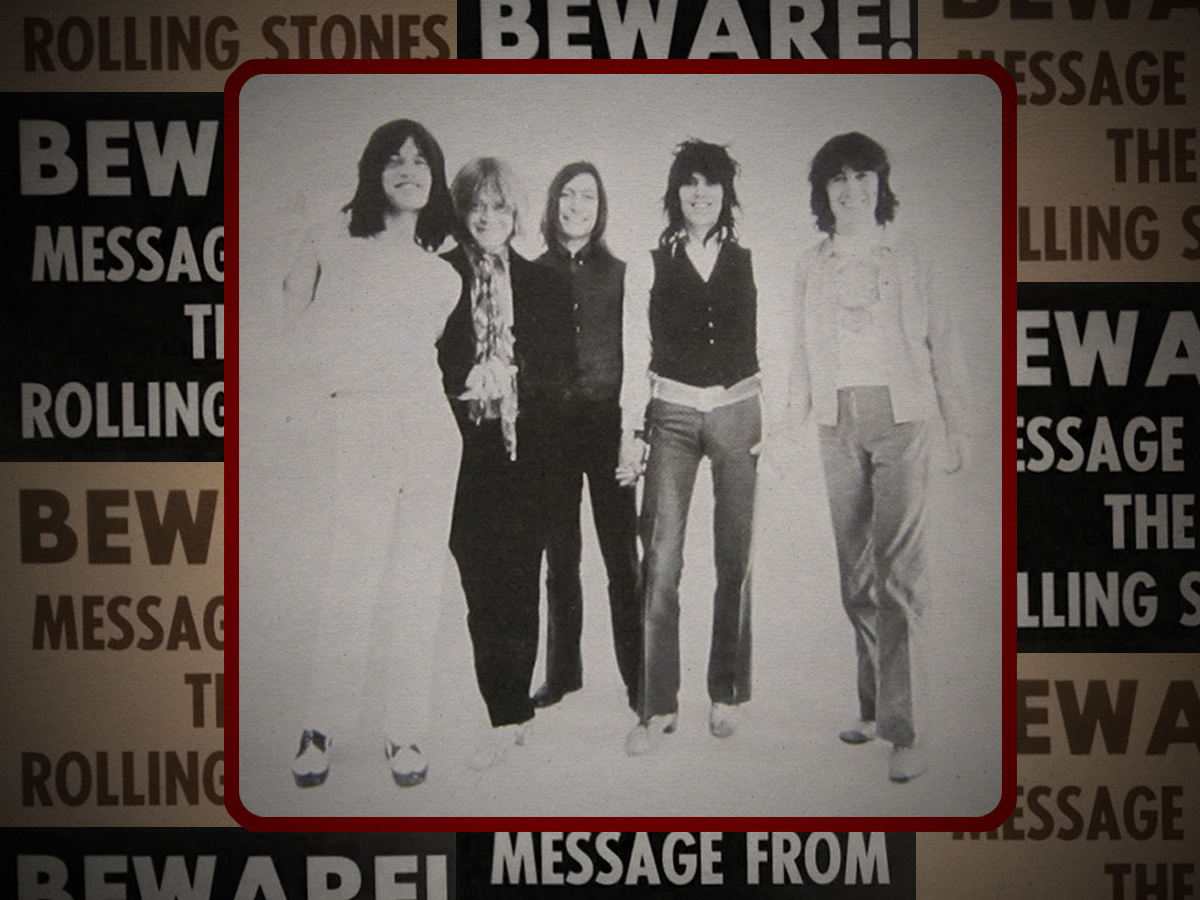
Conflicts between musicians and record labels are not uncommon, even for iconic bands like The Rolling Stones. The band's relationship with Decca Records turned sour during the late 1960s, particularly around the release of their album Beggars Banquet. The disagreement stemmed from the album cover, which featured graffiti that the label found objectionable. Despite resistance from the band, they eventually had to change the cover to appease the label.
The Rolling Stones sought to break free from Decca Records, but the label demanded one final song from them. In response, the band delivered the explicit and provocative track 'Schoolboy Blues', knowing it would never be released due to its content. In a retaliatory move, Decca released an album titled Stone Age, featuring unreleased and B-side songs without the band's consent. The Stones publicly denounced the album, but it still gained popularity among their fans.
The band's frustration with the music industry was evident in their reaction to the unauthorized release of Stone Age. Despite their efforts to distance themselves from the album, Decca continued to release compilation LPs and box sets featuring the band's early recordings. The incident highlighted the challenges faced by artists in dealing with corporate interests in the music industry.
The Rolling Stones' clash with Decca Records over the release of Stone Age underscored the power dynamics between artists and record labels. Despite the band's objections, the album's success demonstrated the enduring popularity of their music. The episode serves as a reminder of the complexities and conflicts that can arise in the music business, even for legendary acts like The Rolling Stones.