Trump's Tariff Policy Unchanged Despite Supreme Court Ruling: Impact on Global Trade and Economy
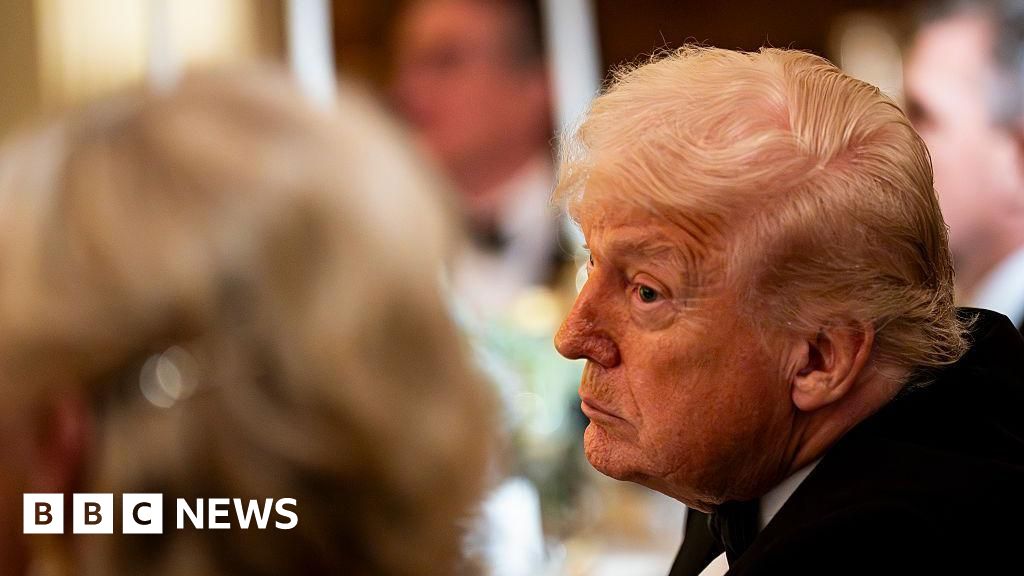
The US president's trade representative, Jamieson Greer, emphasized that Donald Trump's tariff policy remains unchanged despite the Supreme Court's decision to strike down a legal justification used for imposing tariffs. Tariffs are taxes on imported goods paid by companies. The Supreme Court ruled that Trump exceeded his powers by using the 1977 International Emergency Economic Powers Act (IEEPA) to impose tariffs. Trump responded by announcing new tariff rates using a different legislation that will be effective soon. The administration is exploring other legal mechanisms to increase tariffs.
Trump has argued that tariffs will boost domestic manufacturing and create jobs. Critics warn that tariffs lead to higher consumer prices and harm the global economy. The Federal Reserve Bank of New York found that US companies paid 90% of the increased tariffs on goods from Mexico, China, Canada, and the EU. The Supreme Court ruling has caused uncertainty among countries that negotiated deals with the US after the IEEPA tariffs were announced. The UK, which had a negotiated tariff rate of 10%, now faces a 15% rate.
Individual businesses worldwide have expressed concerns about the uncertainty caused by changing tariff policies. Fraser Smeaton, co-founder of a UK costumes company, described the rollercoaster of tariff changes affecting his business. Trump criticized the Supreme Court ruling, calling it anti-American. The issue of potential refunds for the $130 billion paid due to the IEEPA tariffs remains unresolved. Treasury Secretary Scott Bessent expects the issue to be addressed in a lower court. Greer and Bessent believe that tariff revenue will remain unchanged despite the Supreme Court ruling.