Bob Dylan: Challenging Censorship and Embracing Artistic Evolution
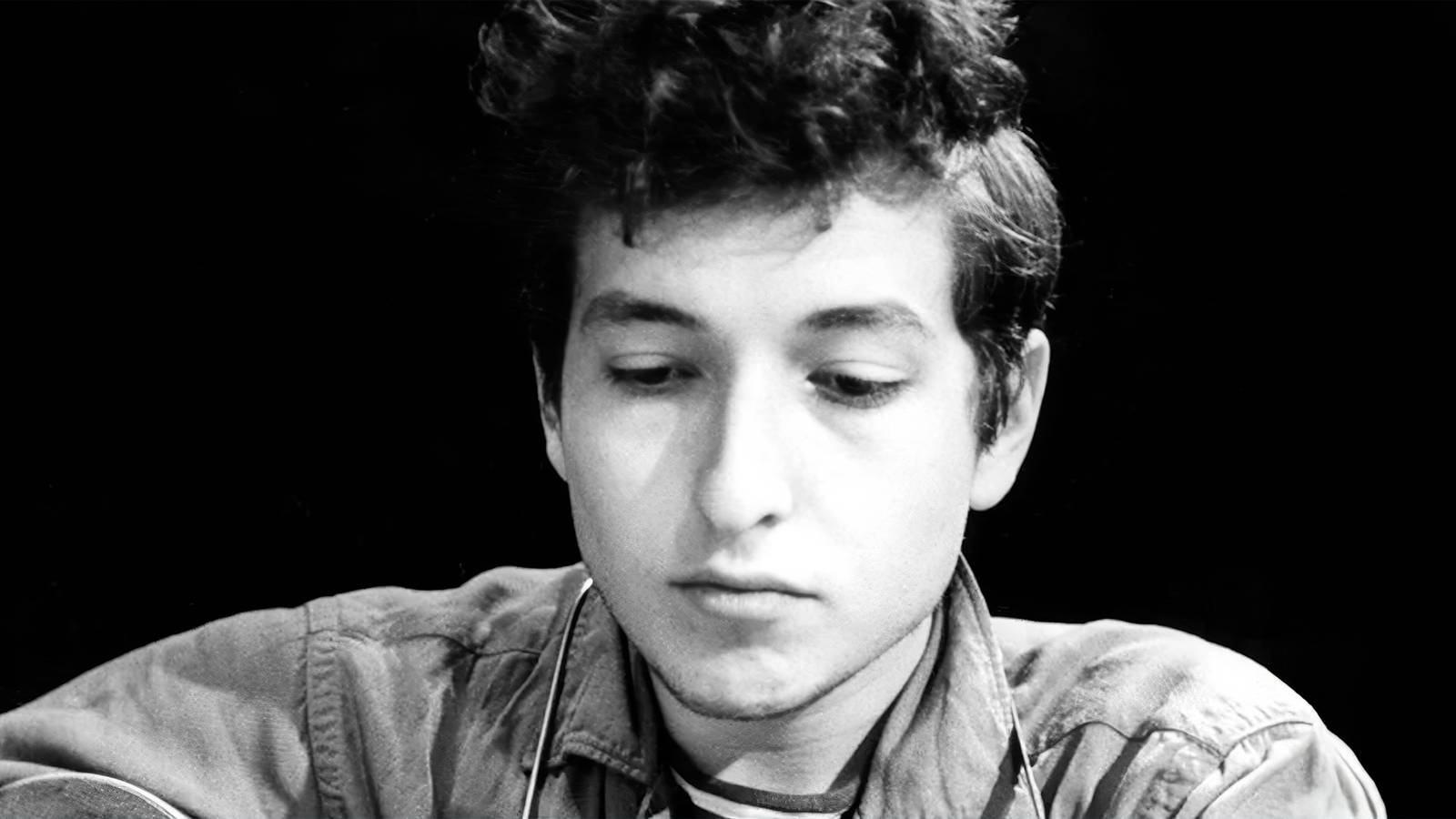
Bob Dylan's journey from Minnesota to Greenwich Village in the early 1960s marked the beginning of his rise to fame as a folk singer. His iconic song "Blowin' in the Wind" captured the attention of the music scene with its powerful social commentary on war and racism. Despite facing criticism for his provocative lyrics, Dylan continued to challenge authority and push boundaries in his music.
One of Dylan's early encounters with censorship occurred in the United Kingdom when the BBC objected to his cover of "Baby, Let Me Follow You Down" due to repeated use of the word "godalmighty." This incident highlighted the broadcaster's strict guidelines on religious references in music. Dylan's simple and sincere rendition of the song clashed with the BBC's regulations, showcasing the tension between artistic expression and censorship.
In the United States, Dylan faced a similar challenge when CBS pressured him to alter the lyrics of "Talkin' John Birch Paranoid Blues" for a performance on The Ed Sullivan Show. Refusing to compromise his artistic integrity, Dylan chose not to appear on the show. This incident reflected his commitment to his music and his unwillingness to conform to external pressures.
Dylan's transition from acoustic folk to electric rock in the mid-1960s sparked controversy and criticism from fans and critics alike. His performance at the Newport Folk Festival in 1965, where he embraced a rock and roll sound, was met with mixed reactions. Despite facing accusations of selling out, Dylan remained true to his artistic vision and continued to explore new musical directions.
In 1978, Dylan revisited "Baby, Let Me Follow You Down" with an electrifying performance at The Last Waltz, a concert documentary directed by Martin Scorsese. The updated rendition of the song featured dynamic guitar solos and Dylan's distinctive vocals, showcasing his evolution as a musician. The audience's enthusiastic response to his electric performance highlighted the enduring impact of Dylan's music and his ability to captivate audiences across different genres.
In conclusion, Bob Dylan's career is marked by his unwavering commitment to artistic expression and social commentary. Despite facing censorship and criticism, Dylan's music continues to resonate with audiences around the world, cementing his legacy as a pioneering figure in the folk and rock music scene.