The Hypocrisy of Trump's AI Hockey Video: A Critical Analysis of Nationalism and Political Motivations
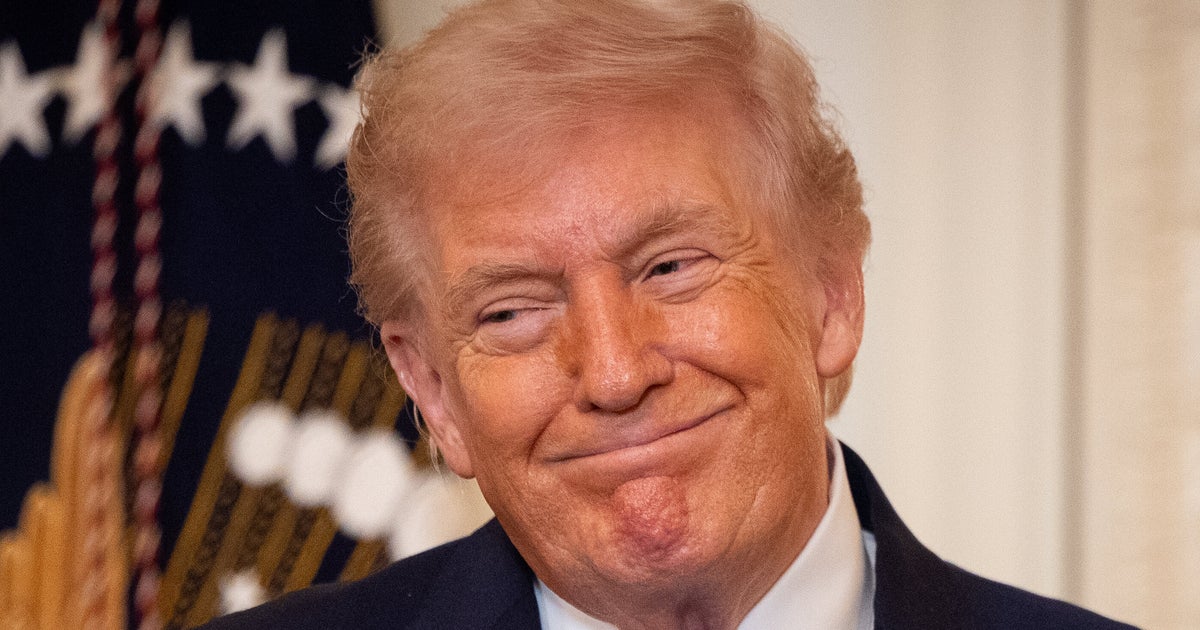
President Donald Trump faced backlash on social media for sharing a peculiar AI video depicting him as a player on the U.S. men's Olympic hockey team. Critics, including experts in political science and public humanities, pointed out the hypocrisy in Trump's post. The video, posted on his Truth Social platform, showed Trump as the star of a fictional hockey game against Canada, where he scored goals and engaged in physical altercations with Canadian players. The clip ended with the U.S. hockey team celebrating Trump as their hero, drawing criticism for its delusional and ridiculous portrayal.
Collin Anderson, a political science professor, criticized Trump's post as absurd and immature, questioning its appropriateness for a world leader. He highlighted the hypocrisy in Trump's celebration of the men's hockey team's victory while neglecting the U.S. women's hockey team, which also won gold at the Olympics. Trump's selective patriotism and political motivations were evident in his actions, as he invited the men's team to the White House but made a dismissive comment about including the women's team.
Deepak Sarma, a public humanities scholar, characterized Trump's post as extreme nationalism rather than patriotism, emphasizing its intimidating and fear-inducing nature. The focus on Trump in the AI video reflected his tendency to center himself in achievements he had no part in, using them for political gain. Trump's behavior, as seen in the hockey video, raised concerns about his detachment from reality and his need for constant validation and control.
Trump's choice to feature hockey in the AI video was seen as a deliberate move to align with the sport's physical and masculine image, appealing to his desired tough-guy persona. The celebration of the men's hockey team win by some on the right, including Vice President JD Vance, was framed as quintessentially American, reflecting a broader narrative of patriotism and cultural identity. The association of hockey with white culture was also noted, given the sport's predominantly white player base and historical influences.
In conclusion, Trump's AI hockey video post sparked criticism for its self-centered portrayal and political undertones. The incident shed light on Trump's need for validation and control, as well as his strategic use of symbolic gestures for political purposes. The reaction to the video highlighted broader issues of nationalism, cultural identity, and the intersection of sports and politics in the public sphere.