Uncovering Reality: Joe Budden's Reversal on Shandi Sullivan's America's Next Top Model Experience
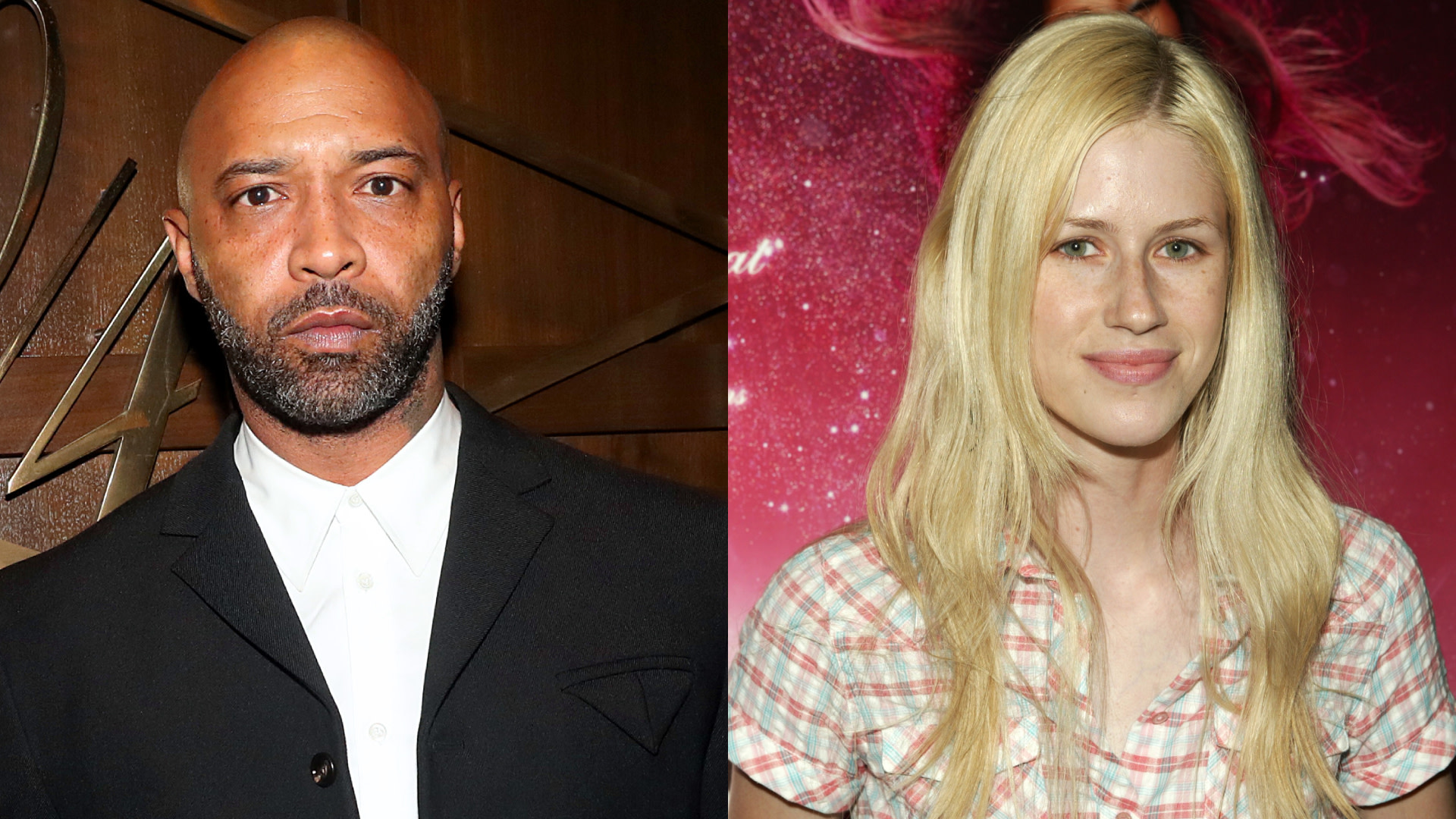
Joe Budden has retracted his support for Shandi Sullivan, a former contestant on America's Next Top Model. In a recent episode of the Joe Budden Podcast, he revisited his previous endorsement of Sullivan, who shared her experience on the show in the Netflix docuseries Reality Check: Inside America's Next Top Model. Sullivan recounted a distressing incident in Milan, Italy in 2003, where she engaged in sexual activity while intoxicated, which was orchestrated and filmed by the show's producers. Budden expressed skepticism about Sullivan's account, suggesting that she may have been willing at the time.
Despite Budden's doubts, it is important to note that individuals who are under the influence of alcohol or drugs cannot legally consent to sexual activity. Planned Parenthood defines consent as being freely given, reversible, informed, enthusiastic, and specific. In Italy, engaging in sexual acts without the other person's free and current consent can lead to severe legal consequences, with potential imprisonment for six to 12 years.
In the Netflix docuseries, Sullivan described her hazy recollection of the night in question, where she consumed a significant amount of alcohol and found herself in compromising situations with male models. She expressed feeling overwhelmed and traumatized by the events that transpired, emphasizing the lack of intervention from the show's producers to prevent the situation from escalating further. Sullivan's emotional recounting of the incident underscores the lasting impact it had on her well-being and highlights the ethical concerns surrounding the exploitation of individuals for entertainment purposes.
Sullivan's candid discussion of her experience sheds light on the harmful effects of prioritizing profit over the well-being of participants in reality television. Her reflections on the incident reveal the deep-seated trauma and emotional distress she continues to grapple with, emphasizing the need for greater accountability and ethical standards in the production of such shows. By sharing her story, Sullivan advocates for a more compassionate and respectful treatment of individuals in the entertainment industry, challenging the exploitative practices that prioritize sensationalism over human dignity.