Decoding the Price Tag: Are Expensive Shampoos Worth It?
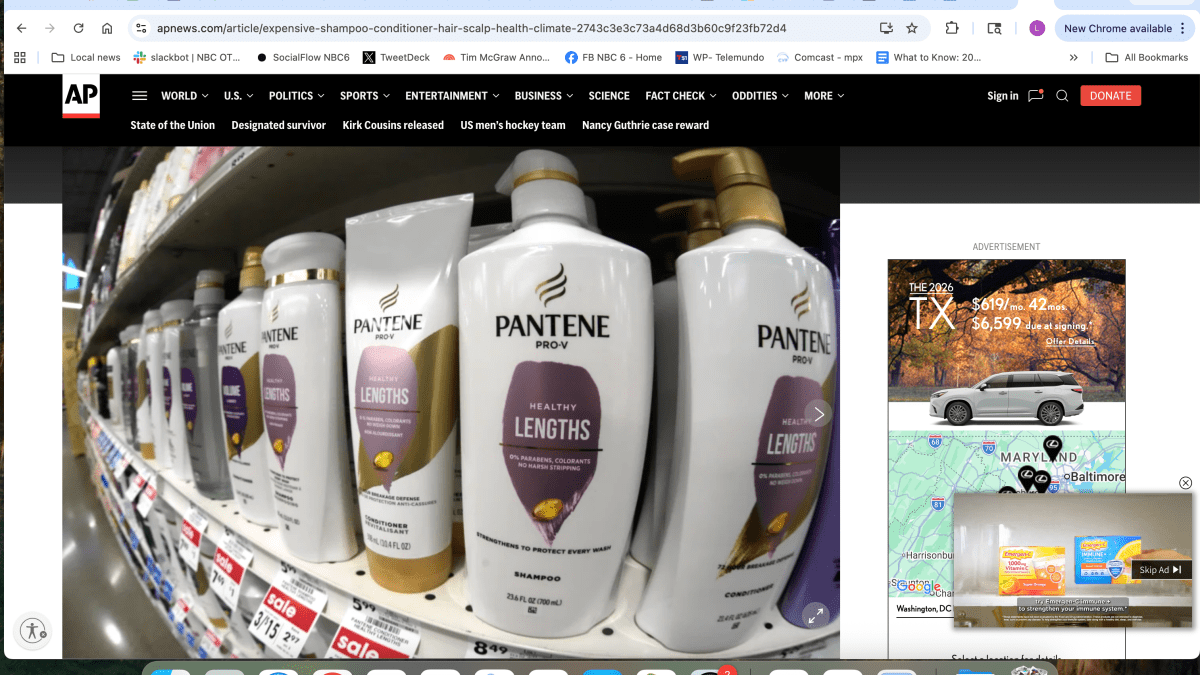
Are expensive shampoos really worth the higher price tag? This question often arises when faced with the choice between a budget-friendly drugstore option and a premium brand. Experts suggest that affordable shampoos and conditioners found in grocery stores can be just as effective as their pricier counterparts. It is essential to consider the ingredients in the products, individual scalp and hair concerns, and overall hair care routine before making a decision.
Premium brands may contain active ingredients that justify their higher cost, according to dermatologists. Factors influencing the price of these products include the company's size, investment in organic ingredients, sustainable agriculture, and recycled materials. Dr. Crystal Aguh, a dermatologist at Johns Hopkins School of Medicine, categorizes people into two hair types: damage-prone and damage-resistant, based on their hair characteristics and care needs.
For those with damage-prone hair, it is advisable to avoid shampoos with sodium lauryl sulfate as the main ingredient, as it can strip the hair of its natural oils. On the other hand, damage-resistant hair, such as oily and straight hair, can be washed daily. Aguh emphasizes that the hair care process, including washing frequency and styling practices, plays a significant role in maintaining hair health, rather than solely relying on expensive products.
While expensive shampoos and conditioners can be effective, affordable alternatives can also deliver similar results. Aguh recommends a balanced approach, mixing high-end and mass-market products to suit individual needs. Some common brands offer affordability due to economies of scale, while luxury brands may focus on refined ingredients and formulations. When dealing with scalp issues like dandruff, over-the-counter shampoos can be effective, but persistent problems should be addressed by a doctor.
Dr. Joe Tung, a dermatologist at the University of Pittsburgh Medical Center, views shampoo as skincare for the scalp, emphasizing the importance of choosing products based on scalp needs and hair texture. Expensive products may offer refined conditioning agents and soothing ingredients, but effectiveness is determined by active ingredients rather than branding. Tung suggests selecting shampoos and conditioners that address specific concerns like inflammation, microbial imbalance, or dryness.
Organic beauty studios like MOKO Organic Beauty Studio in Philadelphia offer a range of organic shampoos and conditioners that prioritize scalp health and sustainability. Owner Monique Mason emphasizes the importance of ingredients in determining product prices, with organic products avoiding harmful chemicals commonly found in personal care items. Mason ensures that the brands she stocks uphold sustainable practices in sourcing and manufacturing their products, aligning with the salon's mission of providing scalp-friendly and eco-conscious options.
In conclusion, the choice between affordable and expensive shampoos ultimately depends on individual preferences, hair needs, and budget considerations. While premium brands may offer luxury formulations and refined ingredients, budget-friendly options can also deliver effective results when used in conjunction with a suitable hair care routine. Prioritizing scalp health, ingredient quality, and sustainability can guide consumers in making informed decisions about their hair care products.