Peter Gabriel's Musical Evolution: A Journey from Genesis to Solo Stardom
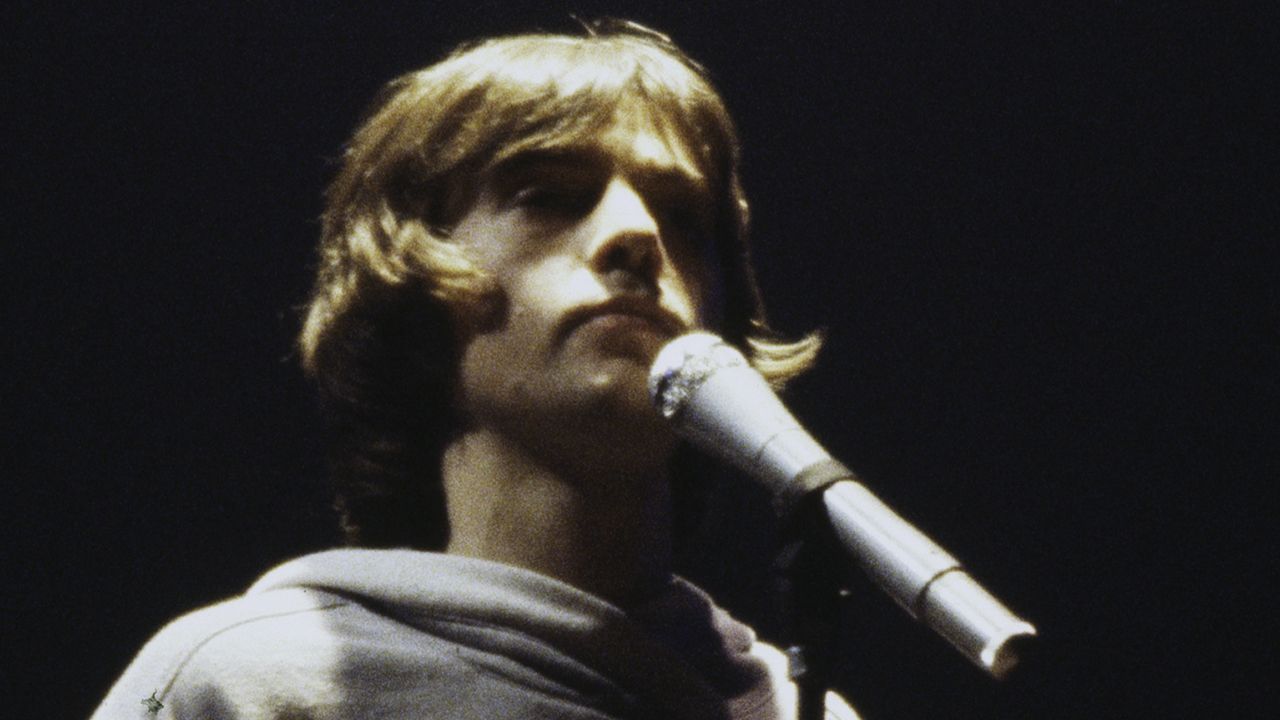
Peter Gabriel embarked on a new musical journey after leaving Genesis, taking a break to focus on family life before returning to the music scene in 1976. Seeking a fresh perspective, Gabriel enlisted producer Bob Ezrin, known for his work with artists like Alice Cooper and Kiss, to oversee his debut solo album. Ezrin handpicked a team of skilled session musicians, including bassist Tony Levin and keyboard player Larry Fast, to collaborate on the project.
The recording sessions for Gabriel's debut album took place in Toronto, where Ezrin's assertive leadership style set a focused and efficient tone. The album, simply titled Peter Gabriel, showcased a diverse range of musical styles, from the Genesis-inspired "Moribund The Burgermeister" to the anthemic "Solsbury Hill," which became a classic hit. Gabriel's songwriting prowess shone through in tracks like "Here Comes The Flood," a brooding and intense piece that delved into the complexities of human thought processes.
The album's eclectic mix of genres, including elements of barbershop and blues, reflected Gabriel's desire to break away from his Genesis roots and explore new sonic territories. The record's distinctive cover art, featuring Gabriel in a rain-soaked car designed by Hipgnosis, added to its enigmatic appeal. Upon its release in 1977, the album received critical acclaim and charted well in both the UK and the US, solidifying Gabriel's reputation as a solo artist to watch.
Peter Gabriel's debut solo album marked a significant departure from his Genesis days, showcasing his evolution as a musician and songwriter. With Ezrin's guidance and a talented team of musicians by his side, Gabriel crafted a diverse and compelling record that set the stage for his future solo endeavors. The album's success affirmed Gabriel's ability to take risks and push musical boundaries, setting the tone for his innovative career ahead.