Escalating Tensions: U.S. Air Strikes on Iran Spark Retaliation and Fear in the Region
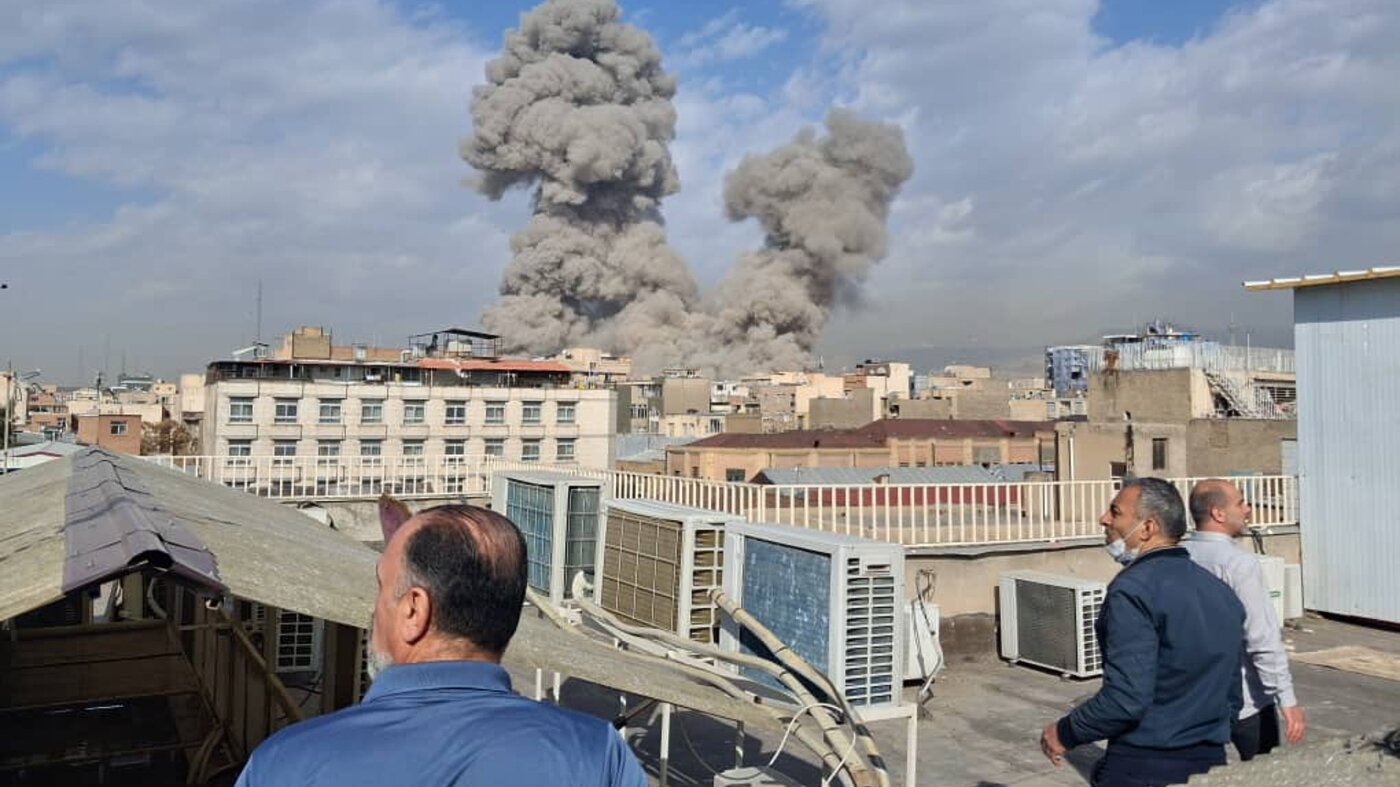
Amman, Jordan was struck by U.S. air strikes, causing panic among residents and children. The Iranian government reported casualties, including 40 students in an elementary school in Minab city. The attacks caught people off guard, with no prior warning from the Iranian government. Iran retaliated by launching strikes against Israel and U.S. bases in the Gulf, declaring U.S. and Israeli interests as legitimate targets.
The Bahraini government reported an Iranian airstrike on the U.S. naval base in Bahrain, while the United Arab Emirates intercepted Iranian missiles. Jordan also heard explosions believed to be missiles being intercepted. Iran's foreign ministry condemned the attacks, stating they hit defense infrastructure and civilian sites. Oman's foreign minister flew to Washington to brief U.S. officials on the progress of diplomatic negotiations.
U.S. President Trump announced the start of 'major combat operations' and encouraged Iranians to rise up against their government. Israel supported the U.S. strikes on Iran, while U.S. Arab allies warned against destabilizing the region. In Tehran, residents expressed hope for regime change, storing food and preparing for potential upheaval. The extent of support for Iran's Islamic leadership remains uncertain, with opposition groups lacking significant backing within the country.
In conclusion, the U.S. air strikes on Iran have sparked tensions and retaliatory actions, leading to uncertainty and fear among residents in the region. The situation remains volatile, with potential implications for regional stability and diplomatic relations.