Unveiling the Artistry of Sui Ishida's "Tokyo Ghoul" Manga: A Deeper Dive into the Dark Fantasy Narrative
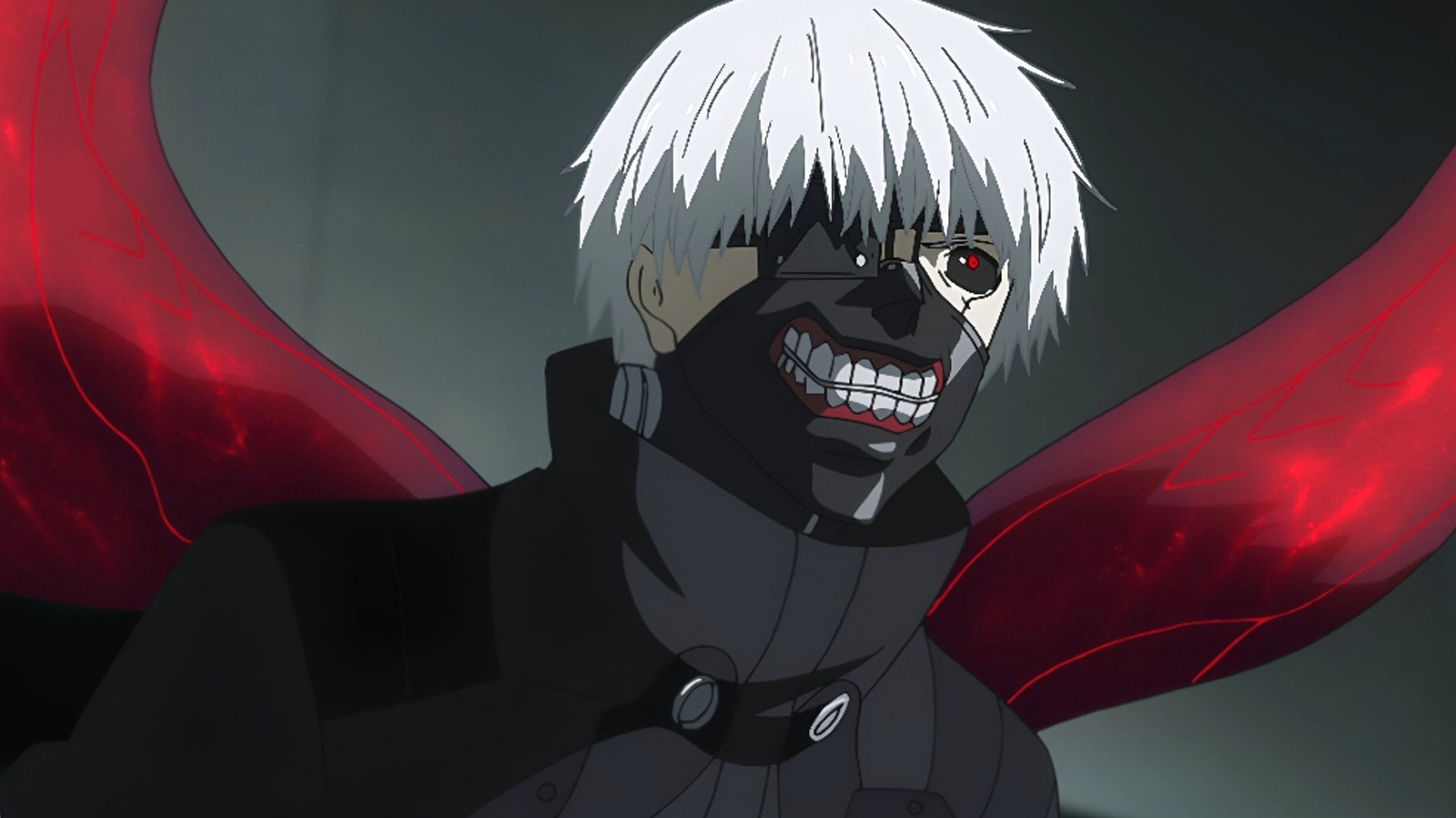
Sui Ishida's "Tokyo Ghoul" has captivated fans with its dark fantasy narrative, becoming a classic in the manga/anime world. The series, serialized from 2011 to 2014, received an anime adaptation by Studio Pierrot. While the first season of the anime showed promise, the second season, "Root A," fell short in terms of coherence and pacing.
Upon delving into Ishida's manga, the depth and complexity of the world he created became apparent. The thematic symbolism and art style, which play with light and shadow to evoke a moody atmosphere, were not fully captured in the anime adaptation. Despite Pierrot's solid foundation in season 1, the storytelling in "Root A" veered off course, leading to a disappointing departure from the source material.
The story of "Tokyo Ghoul" follows Kaneki Ken, a half-ghoul after a life-saving organ transplant from a ghoul. The series explores themes of identity, trauma, and societal oppression, drawing parallels between ghoul persecution and real-world marginalization. Kaneki's internal struggle between his human and ghoul sides is a central focus, showcasing his evolution in response to harrowing experiences.
The manga's intricate writing and attention to detail, particularly in environmental storytelling, elevate the narrative to a new level. Ishida's art style, characterized by watercolor-like palettes and a blend of beauty and horror, is a defining feature of "Tokyo Ghoul." The anime adaptation falls short in capturing the essence of Ishida's artistry, opting for a less engaging visual style.
The sequel manga, "Tokyo Ghoul: re," continues the saga with layered symbolism and literary references woven into the narrative. The story's impact on readers, including the message of embracing survival over escapism, resonates deeply. Ishida's storytelling prowess shines through in "Tokyo Ghoul: re," offering a compelling continuation of Kaneki's journey.
In conclusion, Sui Ishida's "Tokyo Ghoul" manga surpasses its anime adaptation in depth, complexity, and artistic expression. The series delves into profound themes of identity and societal struggle, showcasing Ishida's talent for storytelling and visual artistry. Fans of the series will find a richer experience in exploring the original manga and its sequel, "Tokyo Ghoul: re."