Johnny Barfield: The Pioneer of Boogie Woogie in Country Music
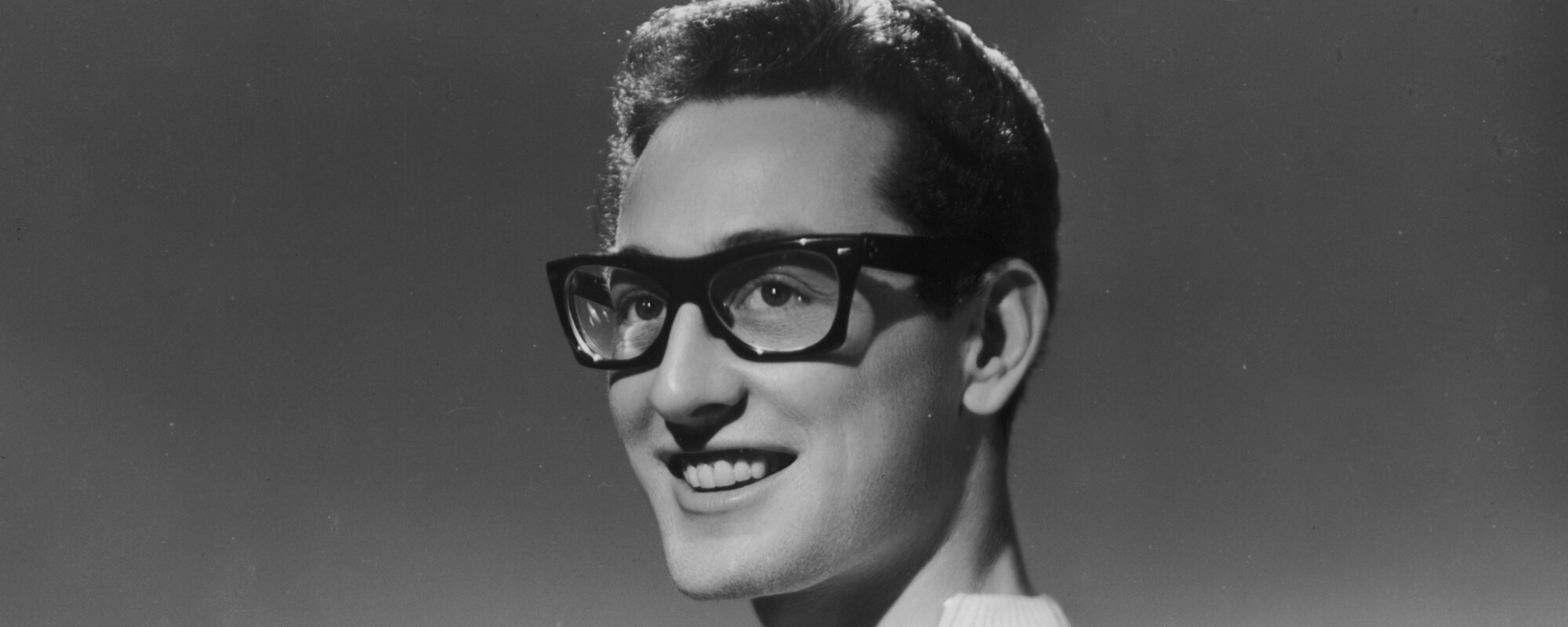
March 3, 1909, marked the birth of Johnny Barfield in Tifton, Georgia. Barfield's musical journey began in his childhood, playing guitar on street corners. As an adult, he recorded for various labels and toured with renowned artists like Bill Monroe. Despite not being widely recognized today, Barfield made a significant impact on American music with his groundbreaking recording "Boogie Woogie."
Barfield and his brother, Coot, started their musical career by performing on street corners in Columbus, Georgia. They recorded some early tracks for Columbia Records in the late 1920s, which remained unreleased. Barfield's breakthrough came when he joined fiddler Bert Layne's group, the Skillet Lickers.
After performing on radio stations and in clubs, Barfield signed a recording contract with Bluebird Records in 1939. His release of "Boogie Woogie," inspired by blues pianist Pinetop Smith, combined the boogie rhythm with country music, setting a new trend in the genre. The song gained popularity in jukeboxes, influencing other country artists to incorporate the swinging boogie rhythm into their music.
Johnny Barfield's "Boogie Woogie" laid the foundation for the evolution of country music. It paved the way for subsequent developments in the genre, such as Ernest Tubb's honky tonk hit "Walking the Floor Over You," which marked the beginning of honky tonk music blending country and blues elements. This fusion continued with artists like Carl Perkins and Elvis Presley, who introduced rockabilly by merging honky tonk with R&B, pushing the tempo higher.
Barfield's contributions to early honky tonk music and rockabilly cannot be overlooked. His influence on these genres and the subsequent evolution of country music is undeniable, shaping the course of American music history.