Led Zeppelin's Groundbreaking BBC Radio Session: A Historic Moment in British Music History
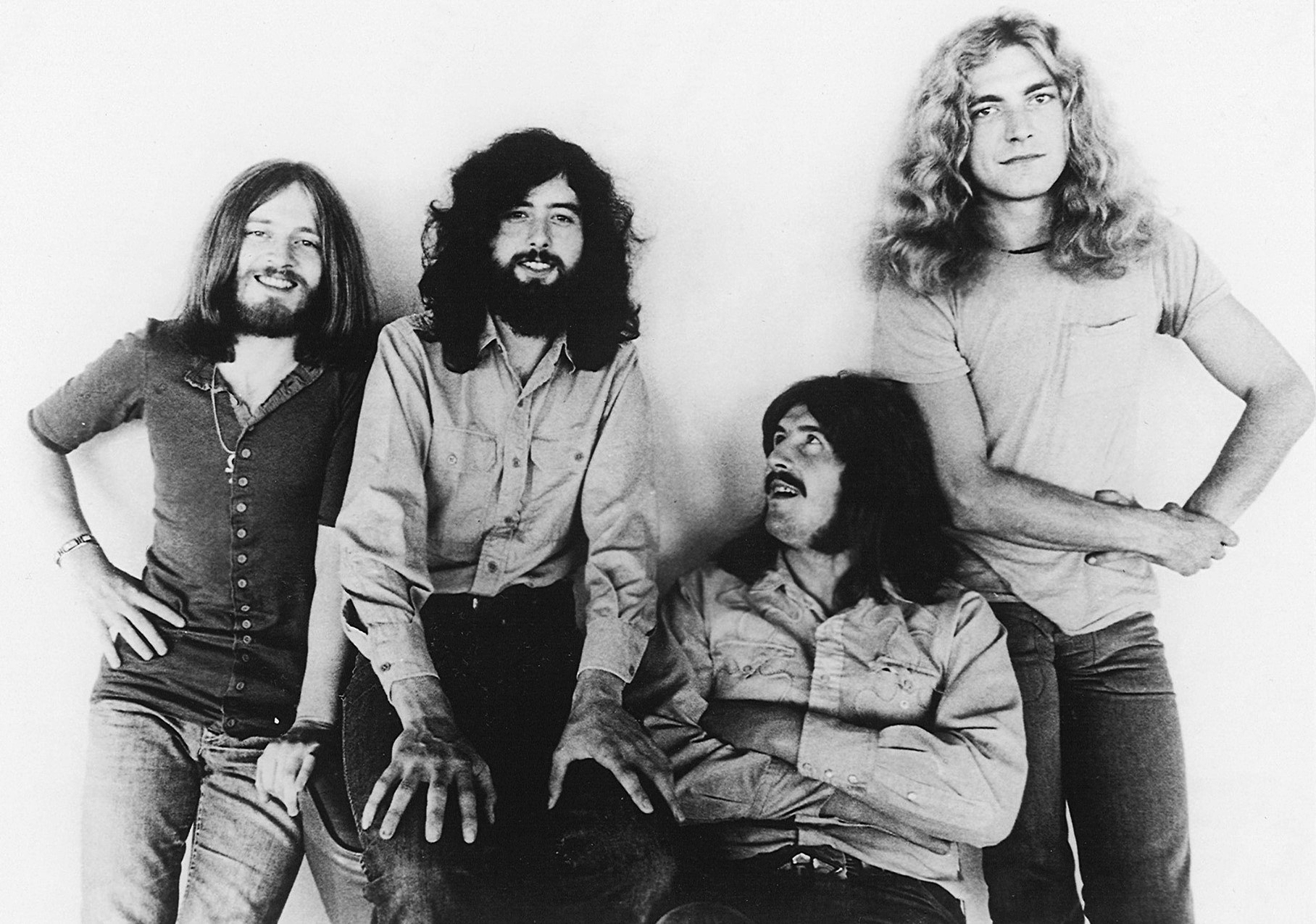
Led Zeppelin made a significant mark on British music history on this day in 1969 when they recorded their first session for BBC Radio’s Top Gear. The session, held at London’s Playhouse Theatre, showcased the band's live performance skills in a controlled studio environment. This opportunity allowed British listeners to experience Led Zeppelin's sound firsthand, as the band was still in the process of gaining recognition in their home country.
The setlist for the session included some of Led Zeppelin's blues-rooted tracks, such as "I Can’t Quit You Baby," "Communication Breakdown," and "Dazed & Confused." These recordings captured the band's raw energy and improvisational style, showcasing their talent as live performers. The session was a pivotal moment for the band, as it marked their first official appearance before a BBC audition panel.
Engineers Pete Ritzema and Bob Conduct played a crucial role in translating Led Zeppelin's dynamic stage presence into a radio-friendly format. The session, produced by Bernie Andrews for DJ John Peel's Top Gear program, highlighted the band's powerful sound and intensity, leaving a lasting impression on listeners. Despite already making waves in America, Led Zeppelin was still in the process of solidifying their reputation in the UK.
The session was later broadcast on March 23, 1969, alongside performances by other emerging rock acts of the time. The recordings from this session eventually became part of Led Zeppelin's officially released BBC Sessions, allowing fans to experience the band's early sound before their meteoric rise to fame. This performance captured Led Zeppelin's experimentation with volume, blues influences, and extended improvisation, showcasing their musical evolution as they introduced themselves to a wider British audience through the airwaves.