Navigating Leadership Transition in Iran: Trump's Perspective and Strategic Planning
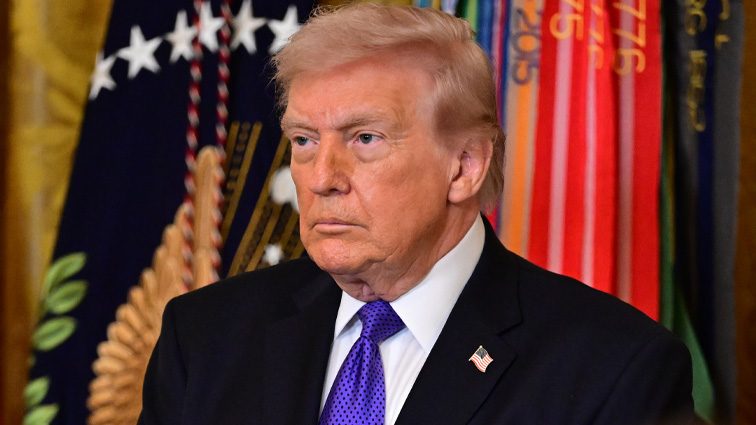
President Donald Trump recently suggested that a potential future leader for Iran could come from within the Iranian regime, but noted that many of the individuals his administration had considered for this role had been killed during the U.S.-Israel military campaign. Trump emphasized the need for a credible leader to emerge from the power vacuum left by the conflict.
While Trump did not publicly identify any specific candidates for leadership in Iran, he expressed a preference for someone currently popular within the country to take over. The president mentioned that exiled crown prince Reza Pahlavi was not extensively considered by his administration as a potential leader for Iran.
During a meeting with German Chancellor Friedrich Merz, Trump highlighted the importance of avoiding a scenario where a new leader in Iran is as problematic as the previous regime. He emphasized the need for a smooth transition of power to ensure stability in the region.
The White House has faced criticism for its swift decision to launch a military campaign against Iran, with some questioning the necessity of the action. Trump's administration had engaged in negotiations with Iranian officials, exploring the possibility of a diplomatic resolution before resorting to military intervention.
Trump also criticized British Prime Minister Keir Starmer for initially hesitating to support the U.S.-Israel strikes on Iran. He defended the decision to go to war, stating that preemptive action was necessary to prevent higher casualties in the event of an Iranian attack.
During discussions with Merz, Trump and the German leader discussed the importance of planning for the post-war period in Iran. They emphasized the need for a coordinated approach among the U.S., Europe, and Israel to address the challenges that may arise after the conflict ends.
As the military campaign continues, Trump acknowledged that oil prices may rise temporarily but expressed confidence that they would decrease once the situation stabilizes. The president highlighted the impact of surging oil prices on the global economy and emphasized the need for a swift resolution to the conflict.
In conclusion, Trump's remarks underscore the complexities of the situation in Iran and the importance of strategic planning for the post-war period. The search for a credible leader to guide Iran through the transition remains a key priority for the U.S. and its allies.