Comparing the Endings: Watchmen Comic vs. Film Adaptation
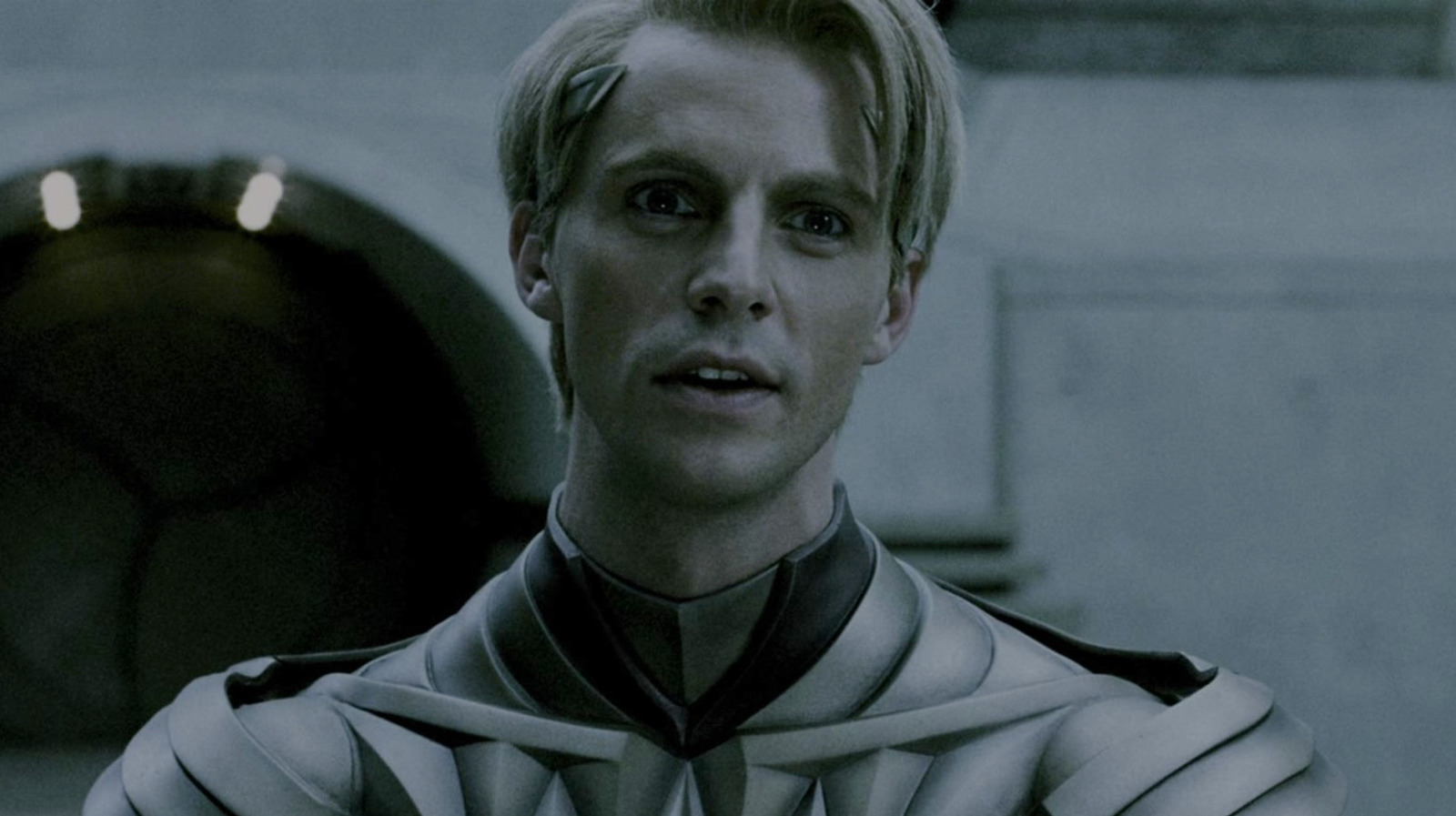
The iconic comic book "Watchmen" by Alan Moore and Dave Gibbons explores a world where superheroes emerged in the 1940s, altering the course of history. The narrative delves into the consequences of vigilantes wielding power and the question of who oversees them. The story culminates in a global crisis orchestrated by Ozymandias to unite a fractured world.
In the comic, Ozymandias unleashes a monstrous squid in New York, resulting in mass casualties to prompt global unity. However, the film adaptation by Zack Snyder opts for a different approach, using Doctor Manhattan's energy reactors to create a similar crisis. Despite criticism from fans, Snyder defended the change, emphasizing the thematic continuity with the original ending.
The comic's conclusion is characterized by its shocking and grotesque nature, with Gibbons' illustrations of the squid's aftermath evoking horror. In contrast, the film's ending lacks the same impact and may appear more streamlined thematically. By rejecting superheroes, particularly Doctor Manhattan, humanity unites against a common threat, advocating for a world without heroes.
Snyder acknowledged the divergence from the comic's squid monster, citing pacing concerns and the film's runtime. He recognized the potential backlash from fans but maintained that the core narrative beats remained intact. Ultimately, both versions of "Watchmen" converge on the idea of a manufactured crisis uniting humanity against a perceived enemy.
In conclusion, the adaptation of "Watchmen" by Zack Snyder offers a reinterpretation of the comic's ending, emphasizing thematic continuity while making necessary adjustments for the cinematic medium. Despite diverging details, the core message of unity in the face of crisis remains a central theme in both iterations of the story.