Elvis Presley's 'If I Can Dream': A Message of Unity and Hope in Turbulent Times
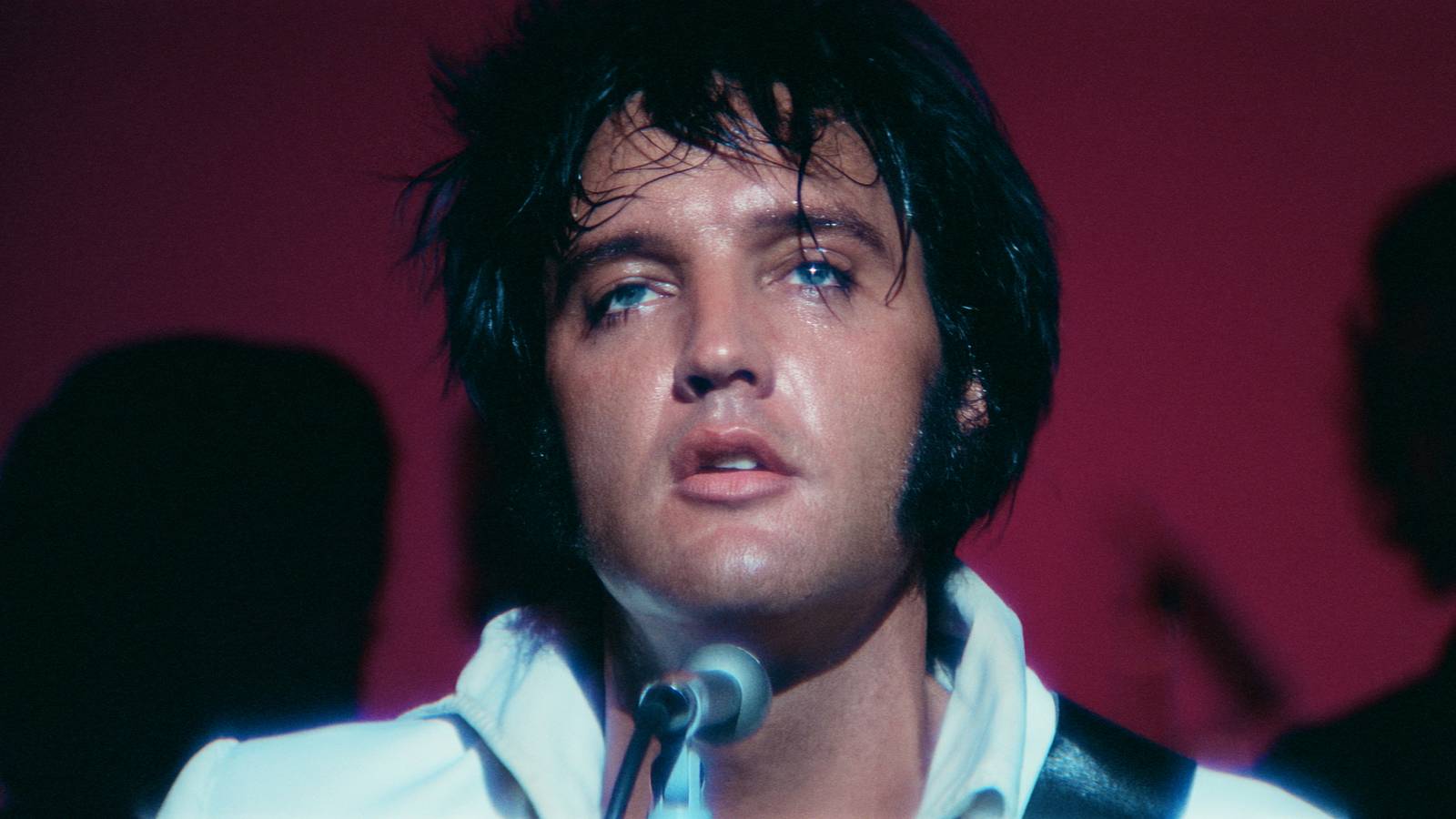
Elvis Presley was known for his heartfelt music that delved into the themes of love and self-discovery. Despite facing pushback, he released the powerful song "If I Can Dream," which became a significant hit for him. The late 1960s were marked by social and political unrest, and music served as a beacon of hope during these turbulent times. Elvis' '68 Comeback Special marked his return to live performances after focusing on his movie career. The show's director believed that the finale needed a more meaningful song, leading to the creation of "If I Can Dream."
Written in the aftermath of the assassinations of Martin Luther King Jr. and Robert F. Kennedy, "If I Can Dream" aimed to capture the nation's grief and offer a message of unity and hope. Despite initial resistance from his management, Elvis was determined to record the song, stating that he only wanted to sing music he truly believed in. The lyrics of the song resonated with listeners, touching on themes of unity, justice, and a better future.
Elvis' rendition of "If I Can Dream" during the Elvis '68 Comeback Special was a powerful moment in his career, showcasing his passion and talent. The song's release as a single further solidified its success and contributed to Elvis' late-career resurgence. By following his heart and recording a song that reflected his values, Elvis demonstrated his commitment to authenticity and left a lasting impact on music history.
In conclusion, Elvis Presley's decision to release "If I Can Dream" despite initial resistance exemplifies his dedication to his beliefs and the power of choosing love over fear. The song remains a testament to his legacy as a legendary artist who used his platform to inspire and uplift audiences during challenging times.