Resurgence of the Moody Blues: From Struggling Cabaret Performers to Influential Rock Icons
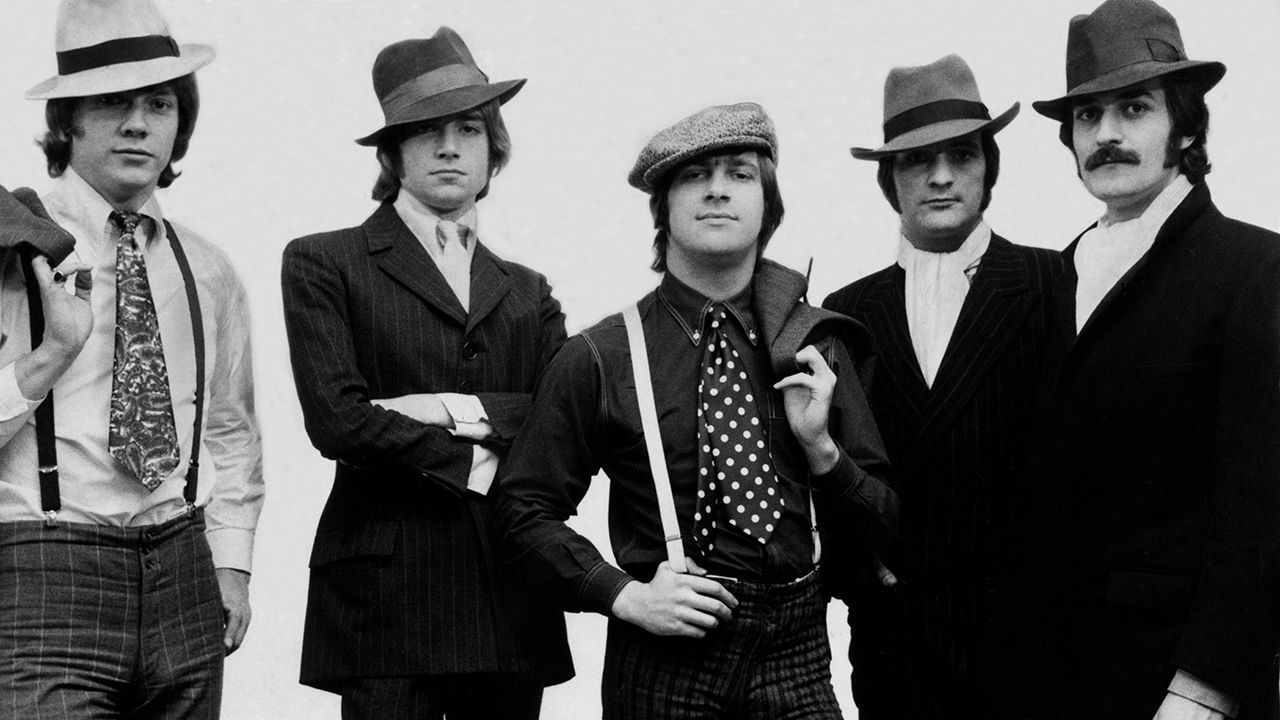
The Moody Blues faced a challenging period after their initial success with "Go Now" in 1966. The band, consisting of Justin Hayward, John Lodge, Mike Pinder, Ray Thomas, and Graeme Edge, was struggling to find their musical direction. The introduction of the Mellotron, a revolutionary instrument with pre-recorded tape loops, sparked a new creative path for the band. Pinder's passion for the Mellotron and its ability to create various instrument sounds transformed their music and performances.
The band's live shows with the Mellotron initially received mixed reactions, with their setlist including R&B and new material featuring Thomas' flute playing. However, their performances were not well-received, leading to a decline in gig fees and a need to incorporate cabaret elements into their shows. A pivotal moment occurred when a disgruntled audience member bluntly told them they were the worst band he had ever seen, prompting the band to reassess their approach.
Following this wake-up call, the Moody Blues decided to revamp their image and sound. They ditched their matching blue suits and embraced a new visual and musical identity that reflected their individuality and creativity. This transformation marked a turning point for the band, leading them to explore new musical territories and find inspiration in iconic albums like The Beatles' "Sgt. Pepper's Lonely Hearts Club Band."
The Moody Blues' reinvention and dedication to their craft paid off, as they gained a new audience in Europe and began working on groundbreaking albums like "Nights In White Satin" and "Days Of Future Passed." Their journey from struggling cabaret performers to influential rock musicians showcases the power of perseverance and artistic evolution.