Unveiling the Truth: Daryl Hannah's Critique of 'Love Story' Portrayal
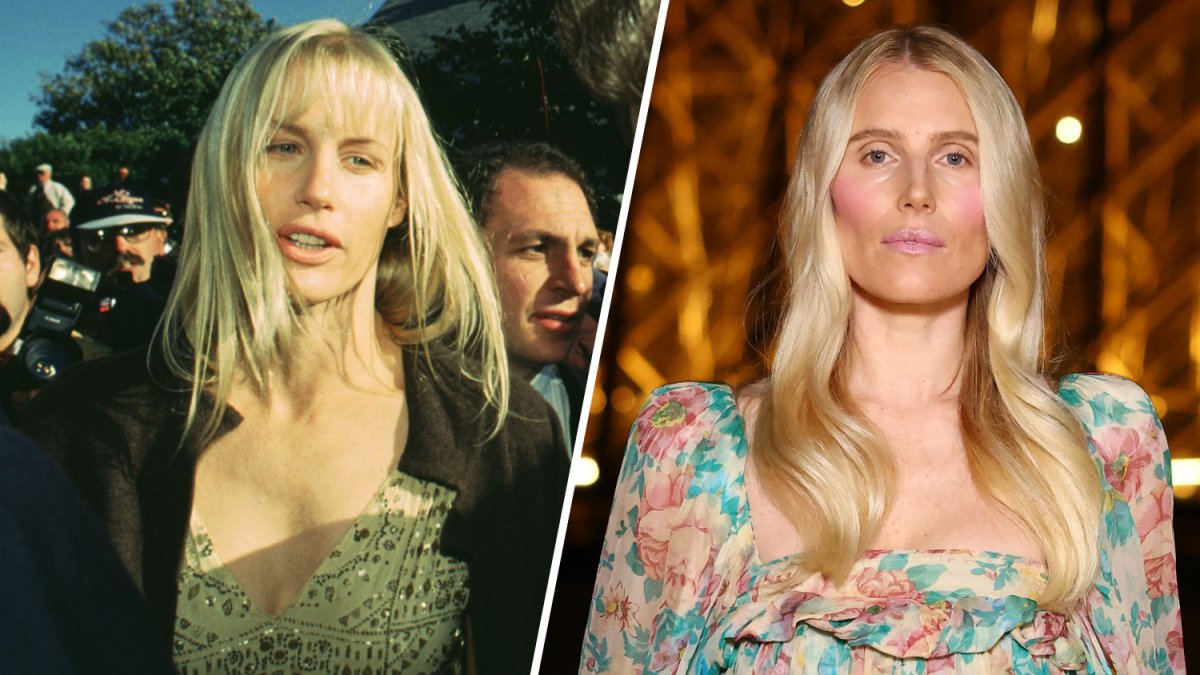
Daryl Hannah has expressed her strong disapproval of the FX series "Love Story" and how she is portrayed in it. In a recent op-ed for The New York Times, she criticized the character using her name in the show, claiming that the depiction of her is inaccurate and damaging to her reputation. Hannah emphasized that the actions attributed to her in the series are false and do not reflect her real life or relationship with John F. Kennedy Jr.
The actress, portrayed by Dree Hemingway in "Love Story," refuted the portrayal of her as irritating, self-absorbed, and inappropriate. She denied engaging in the behaviors depicted in the show, such as using cocaine, pressuring someone into marriage, or intruding on private memorials. Hannah expressed her frustration at having to defend herself against a television show that distorts her character and actions.
Hannah highlighted the negative impact of the show on her reputation, as viewers may perceive the fictional portrayal as factual. She received hostile and threatening messages from viewers who believed the depiction of her in the series. The actress emphasized the importance of distinguishing between entertainment and reality, especially when real names are used in fictionalized narratives.
Despite the controversy surrounding her portrayal in "Love Story," Daryl Hannah remains focused on maintaining her privacy and upholding her reputation. She emphasized the need to respect the privacy of the Kennedy family and criticized those who exploit personal relationships for sensationalism. Hannah underscored the lasting consequences of entertainment on public perception and collective memory.
Daryl Hannah's relationship with John F. Kennedy Jr. in the late '80s and early '90s has been a subject of public interest. The actress, known for her roles in iconic films like "Splash" and "Kill Bill," has faced scrutiny over her depiction in the FX series. While Dree Hemingway took on the challenging role of portraying Hannah, she acknowledged the fictionalized nature of the show and expressed admiration for the actress.
Hemingway, who reached out to Daryl Hannah to express her appreciation, emphasized the honor of portraying such a respected figure in the entertainment industry. Despite not knowing Hannah personally, Hemingway's gesture of admiration and respect reflects the impact of portraying real-life individuals in fictionalized narratives. The controversy surrounding "Love Story" underscores the complexities of representing real people in entertainment media.
In conclusion, Daryl Hannah's criticism of her portrayal in "Love Story" sheds light on the challenges of fictionalizing real-life relationships and personalities for entertainment purposes. The blurred lines between fact and fiction in media representations can have lasting consequences on individuals' reputations and public perceptions. As the debate continues, it underscores the importance of respecting privacy and accuracy in storytelling.