Early Heat Wave Threatens California's Water Supply and Snowpack: Impacts and Precautions
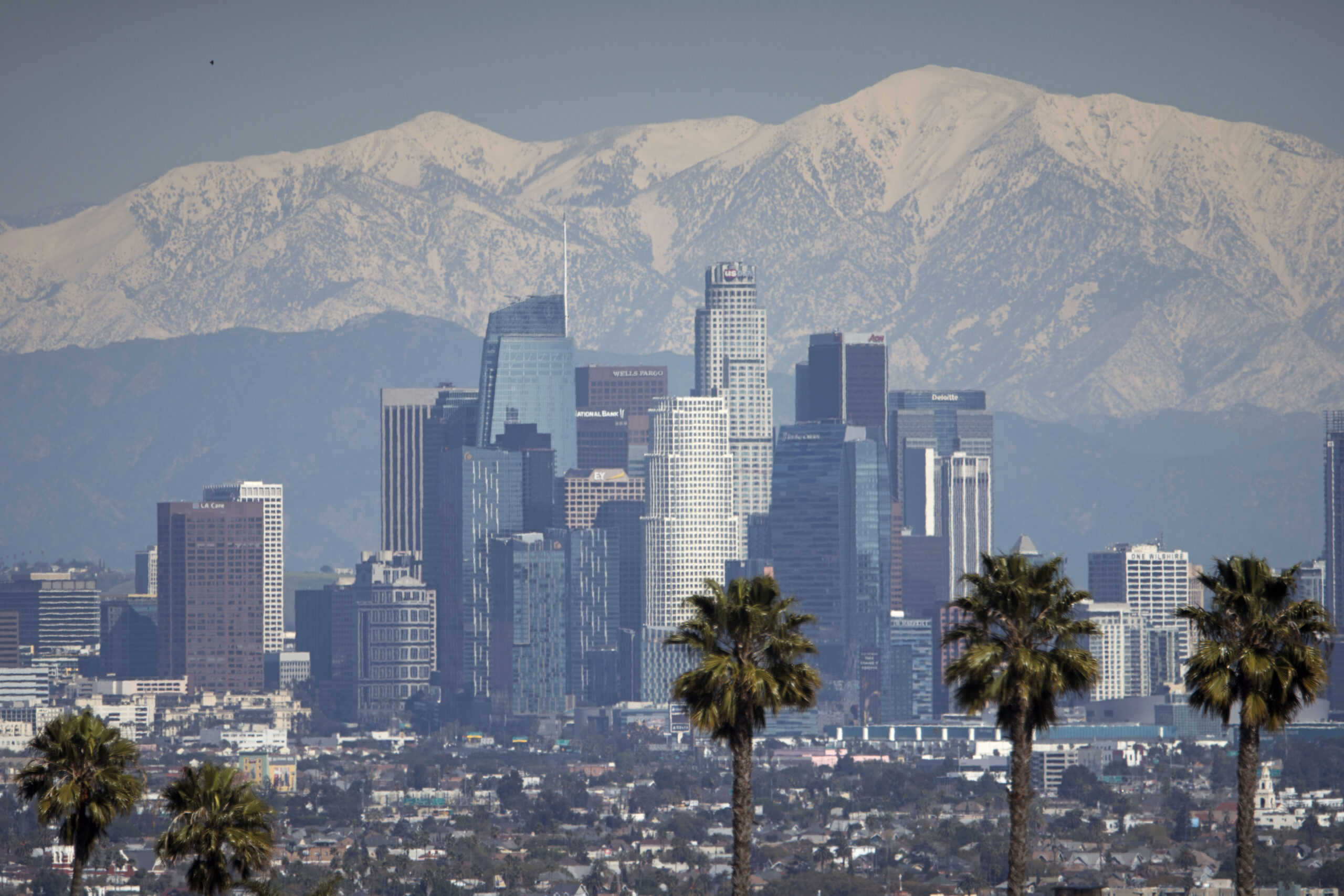
An early heat wave is expected to hit Los Angeles and the Southwest, posing a threat to California's snowpack and water supply. Temperatures in downtown Los Angeles are forecast to reach near-record highs for March, with temperatures across the region expected to be well above normal. Climate scientists warn that record-breaking temperatures in March will affect several states in the Southwest, South Central, and Southeast regions.
The U.S. experienced its second warmest winter season in 131 years, leading to rain instead of snow in the West. This has resulted in low snowpack levels in California and the Colorado River basin, impacting water supplies for residents, farmers, and livestock. The upcoming heat wave could cause the remaining snow in California's Sierra Nevada range to melt before it can be stored in reservoirs, exacerbating the water supply challenge.
California relies on mountain snowpack as a natural reservoir that releases water gradually in the spring and summer. The extreme heat wave in March poses a significant challenge for water management in the region. In Colorado, high temperatures and lack of snow have prompted utility companies to implement power safety measures to prevent wildfires.
As the East Coast experiences record warmth, the West Coast is bracing for high temperatures that could break daily records. The heat wave may lead to drier soil conditions and increase the risk of wildfires this summer. A large ridge of high pressure settling over the Southwest is expected to intensify temperatures and break records, according to forecasters.
In conclusion, the early heat wave in Los Angeles and the Southwest poses a threat to water supplies and increases the risk of wildfires in the region. Climate scientists warn of the impact of record-breaking temperatures on snowpack levels and water availability, urging residents to prepare for extreme heat conditions.