Kuwait Drone Attack: Impact on U.S. Service Members and Response Efforts
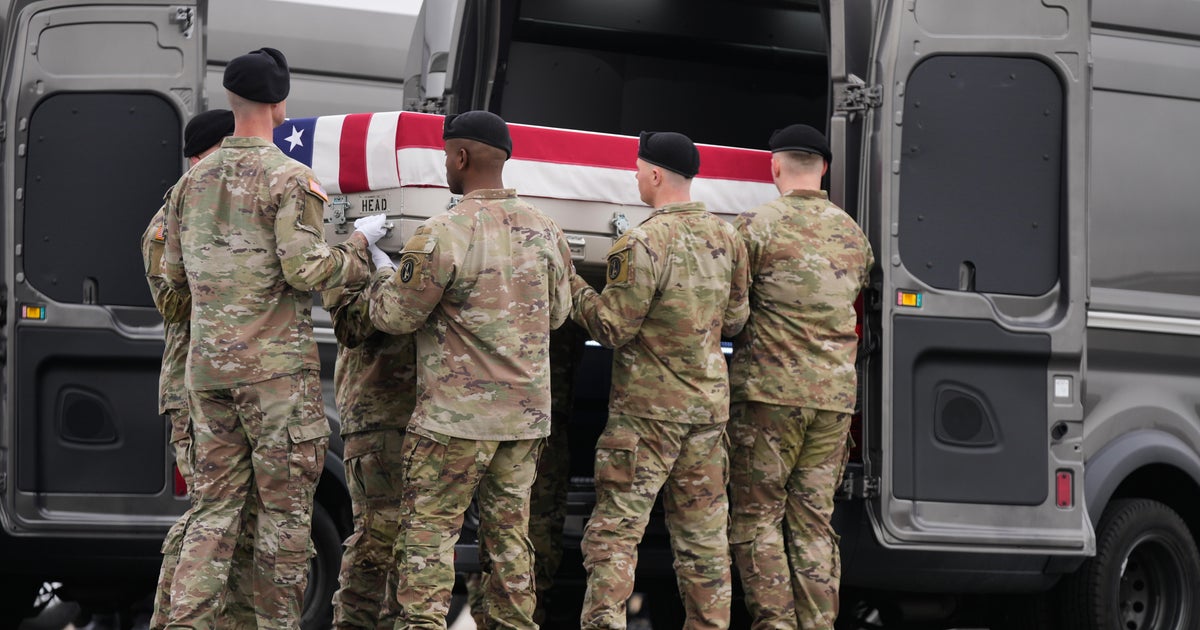
A drone attack in Kuwait during the early stages of the conflict with Iran resulted in the deaths of six U.S. service members and left many others with severe injuries, including brain trauma, shrapnel wounds, and burns. The attack occurred at a tactical operations center at the Shuaiba port outside Kuwait City on March 1, leading to a chaotic and grim aftermath. Over 30 military members were hospitalized with battle injuries, with some requiring amputation of limbs. The injured were distributed across medical centers in the U.S. and Germany, with about 20 arriving at Landstuhl Regional Medical Center on a C-17 transport aircraft for urgent treatment.
The severity of the injuries from the Kuwait attack was significant, with military personnel suffering from traumatic brain injuries, memory loss, and concussions. More than 100 medical personnel were deployed to Landstuhl to provide assistance to the injured service members. The Pentagon initially reported that five individuals were seriously wounded, with others sustaining minor shrapnel injuries and concussions. Two service members were initially missing but were later found under the rubble.
The Defense Department has a process in place to notify the families of wounded soldiers and aims to shield them from learning about the extent of injuries through press releases. Defense Secretary Pete Hegseth described the attack as a situation where despite robust air defenses, some weapons managed to penetrate and hit a fortified tactical operations center. In a separate strike in Saudi Arabia on the same day, at least one American was killed, and the extent of injuries to others remains unclear.
As of the 11th day of the war, Pentagon spokesman Sean Parnell reported that around 140 American service members had been injured, with the majority of injuries being minor. Over 100 service members have already returned to duty, while eight remain severely injured and are receiving the highest level of medical care. The military has implemented strong air defenses to protect all U.S. personnel within range of potential Iranian attacks. Further details on the injuries sustained by service members and the locations of the attacks were not immediately provided by Pentagon spokespeople.
In conclusion, the drone attack in Kuwait resulted in significant casualties and injuries among U.S. service members, highlighting the dangers faced by military personnel in the conflict with Iran. The severity of the injuries underscores the need for robust medical care and support for those affected by the attacks.