The Rise and Fall of Humble Pie: A Journey Through Blues-Rock History
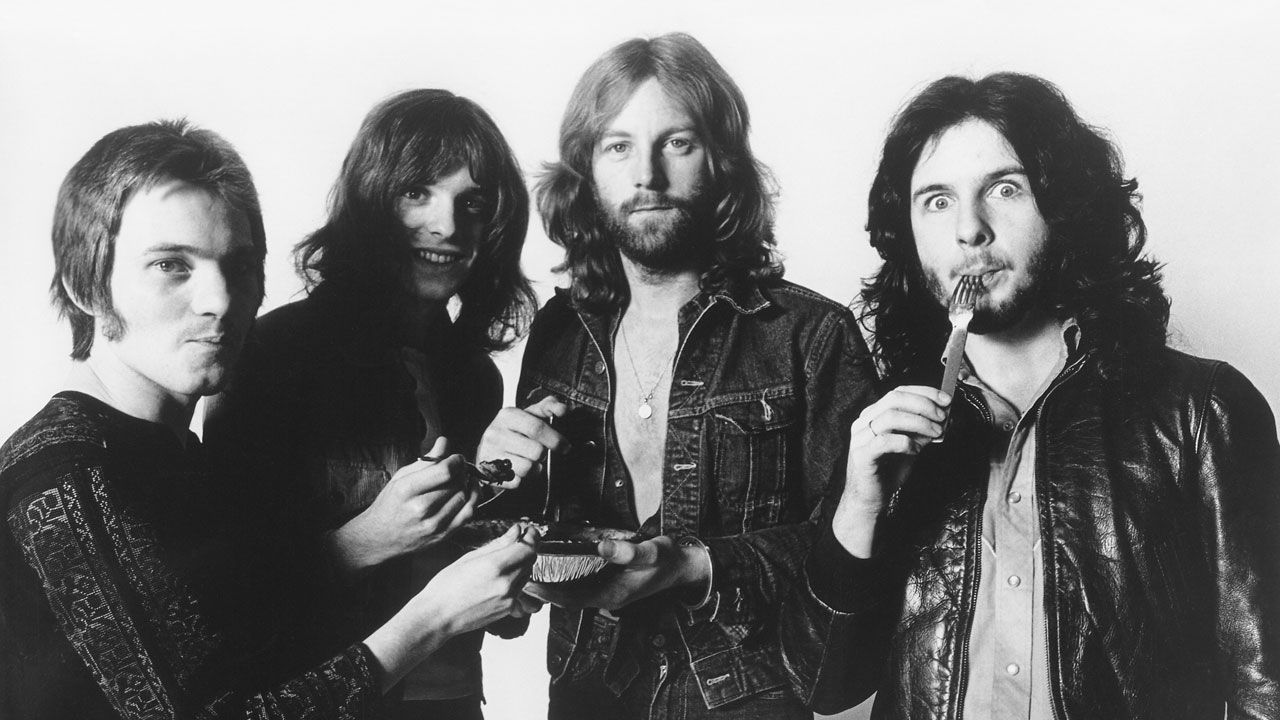
Humble Pie emerged as a prominent blues-rock band in the early 1970s, embodying the shift towards a more urgent rock 'n' roll and electric blues sound. The band, consisting of Peter Frampton, Steve Marriott, Greg Ridley, and Jerry Shirley, evolved into a leaner and heavier outfit by their fourth album, Rock On, under the guidance of producer Glyn Johns and manager Dee Anthony. The standout track, Stone Cold Fever, showcased their powerful white boy blues with a monolithic riff and Marriott's distinctive lead vocals.
Stone Cold Fever highlighted Humble Pie's democratic songwriting approach, with all members contributing to the track. The band's harmonious musical and personal dynamics allowed them to effortlessly nail the song in the studio. Despite their success in America and the UK, tensions within the band led to Frampton's unexpected departure just before the release of their live album, Performance: Rockin' The Fillmore, in 1971.
Frampton's decision to leave Humble Pie was driven by his desire to pursue a solo career and a growing sense of displacement within the band. His departure marked a turning point for the group, with Dave 'Clem' Clempson stepping in as his replacement. While Humble Pie continued to achieve success with albums like Smokin' and Eat It, they eventually disbanded in 1975. Reflecting on his time with the band, Shirley fondly remembers their status as one of the best live rock and blues acts of their time, characterized by their consistency and the sheer enjoyment they derived from performing together.