Revisiting Elderly Parole: Law Enforcement's Concerns and Advocacy for Public Safety
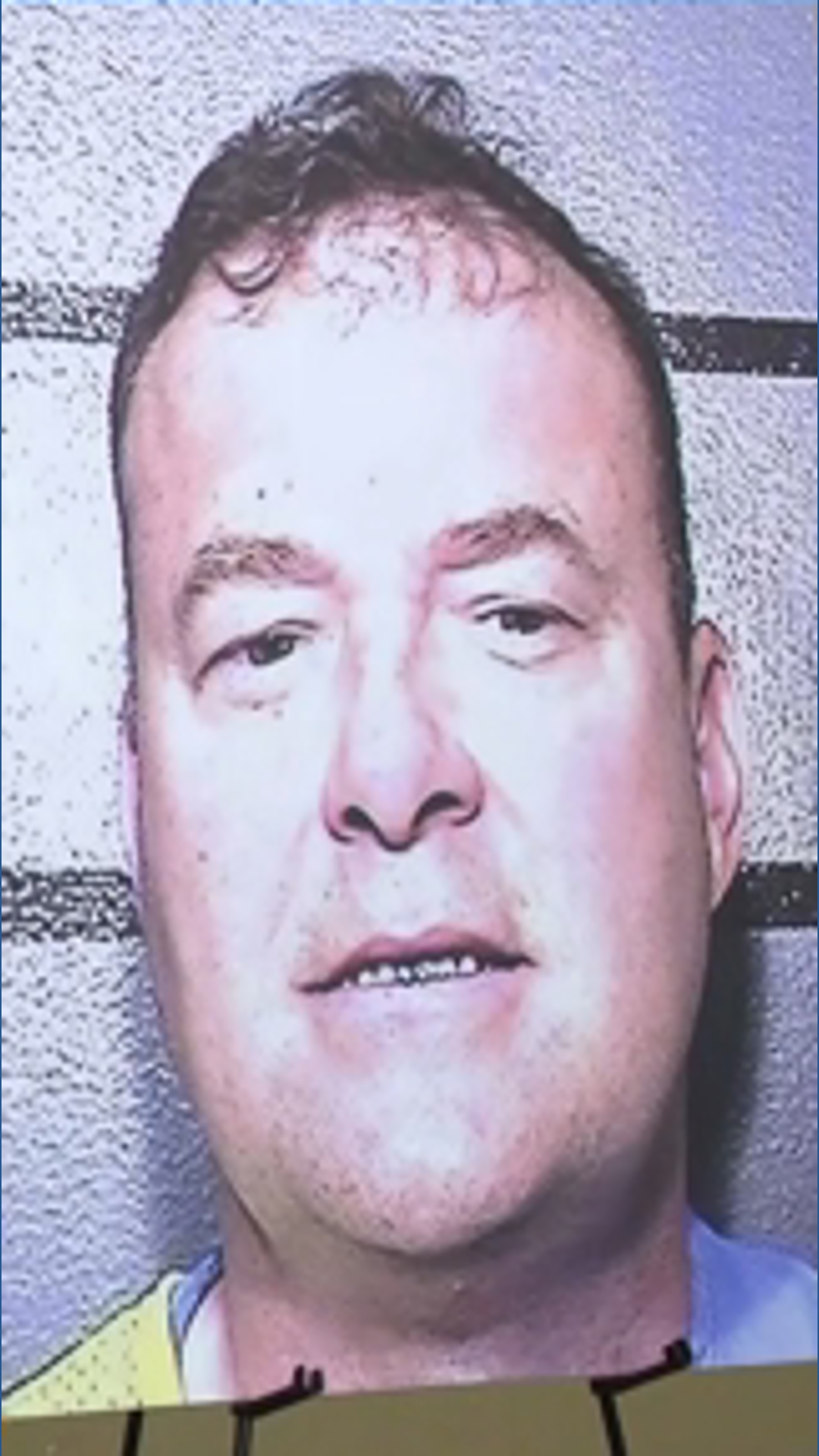
Sacramento County law enforcement officials are once again expressing their concerns about the elderly parole process following the recent parole grant for a convicted child molester, Gregory Vogelsang. Vogelsang, who was sentenced to over 355 years in prison for multiple counts of kidnapping and sex crimes against children, was granted parole after serving 27 years of his sentence. Despite having a high risk assessment for reoffending, the parole board approved his release under the elderly parole program, which allows inmates over 50 years old who have served 20 consecutive years to be eligible for parole. This decision has sparked criticism from the district attorney and sheriff's office, who are advocating for changes to the program in the state legislature.
The parole board's decision to grant parole to Vogelsang has raised concerns about public safety, as law enforcement officials believe he poses a significant risk of reoffending. This case comes shortly after another convicted child molester, David Allen Funston, was also granted parole through the elderly parole program but was later arrested on new charges in Placer County. The district attorney and sheriff are calling for action to address these issues and ensure that dangerous offenders are not released prematurely. They have criticized the parole board for its handling of these cases and are pushing for reforms to prevent similar situations in the future.
In response to the parole board's decision, the district attorney's office has requested a re-review of Vogelsang's parole grant, which is scheduled to take place on March 18th. The sheriff and district attorney are united in their efforts to hold the parole board accountable and advocate for changes to the elderly parole program. They believe that the safety of the community should be the top priority when considering the release of inmates convicted of serious crimes. The outcome of Vogelsang's parole hearing will be closely monitored, and law enforcement officials are committed to ensuring that justice is served and public safety is protected.
In conclusion, the recent parole grant for Gregory Vogelsang, a convicted child molester serving a lengthy sentence, has reignited concerns about the elderly parole program and its impact on public safety. Law enforcement officials are calling for reforms to prevent dangerous offenders from being released prematurely and are urging the parole board to prioritize community safety in their decision-making process. The upcoming parole hearing for Vogelsang will be a critical moment in determining the future of the elderly parole program and its implications for the criminal justice system.