Unveiling the Musical Mastery of Led Zeppelin's John Paul Jones: The Story Behind 'Good Times Bad Times
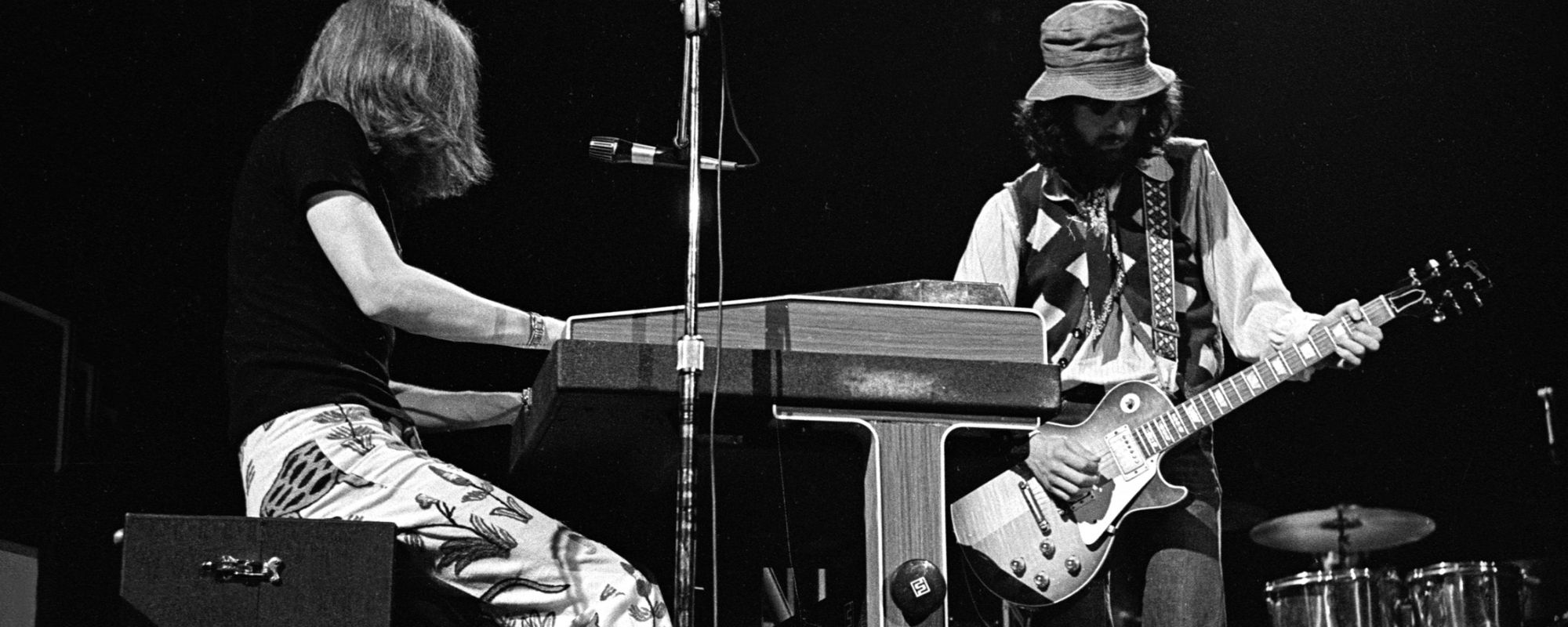
Led Zeppelin's bassist, John Paul Jones, faced a challenging task early in the band's career with the track "Good Times Bad Times" from their debut album. Released in 1969, the song stands out for its raw energy and rhythmic intensity, setting the tone for the band's future sound. Jones and guitarist Jimmy Page crafted intricate riffs that showcased their musical prowess, with Jones admitting that this track presented some of the most difficult licks he had encountered.
Unlike many of Led Zeppelin's songs that drew inspiration from Jimmy Page's time in The Yardbirds, "Good Times Bad Times" featured a riff that Jones brought to the table. Known for his complex and note-heavy compositions, Jones' distinctive style added a unique flavor to the band's repertoire. His riffs, such as those in "Good Times Bad Times" and "Black Dog," stood out for their technical complexity, contrasting with Page's more chord-based compositions.
Despite the challenges of playing "Good Times Bad Times," the effort paid off as the song became a hit on the Billboard Hot 100, marking Led Zeppelin's successful American debut. The album also featured other standout tracks like "Communication Breakdown," "Babe I'm Gonna Leave You," and "Dazed and Confused," solidifying the band's reputation as rock 'n' roll icons. Led Zeppelin's early work, including "Good Times Bad Times," laid the foundation for their legendary status in the music industry.