Escalating Conflict in the Gulf: Iran's Drone Attacks and Global Tensions
Iran launched multiple attacks on Gulf Arab states, including Saudi Arabia, using drones. U.S. President Donald Trump threatened retaliation, while Iran's Supreme Leader Ayatollah Mojtaba Khamenei warned Gulf Arab nations to shut U.S. bases. Intense airstrikes targeted areas around Tehran, and Brent crude oil prices remained high due to Iran's control of the Strait of Hormuz.
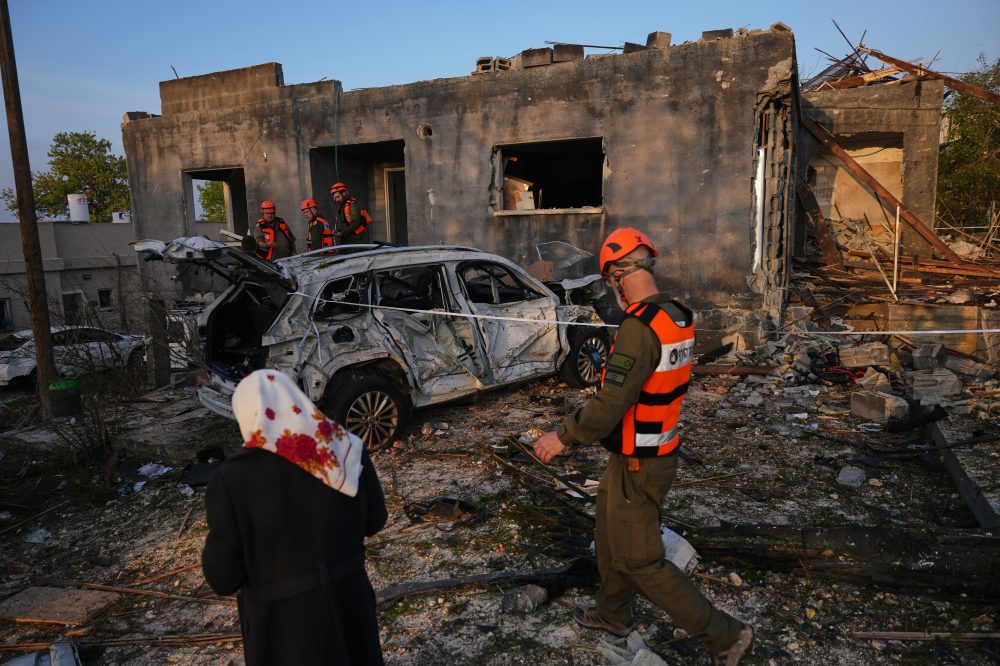
Iran continued to block the strategic waterway, leading to increased tensions in the region. Attacks in Iraq resulted in casualties, including a French soldier's death. Saudi Arabia reported downing nearly 50 drones, and sirens sounded in Bahrain. Hezbollah fired rockets into northern Israel, causing injuries, while Lebanon and Israel both reported casualties from the conflict.
The U.S. military has targeted over 6,000 sites in Iran, including minelaying vessels. French and British troops were also affected by drone strikes in Iraq. Recovery efforts were underway after an American KC-135 refueling aircraft crashed in western Iraq. The situation remains volatile, with ongoing military operations and casualties on all sides.
In conclusion, the conflict between Iran and Gulf Arab states, as well as other involved parties, has escalated, leading to casualties and destruction in the region. The situation remains tense, with ongoing military operations and threats of retaliation. The impact on global oil prices and regional stability is significant, highlighting the need for diplomatic solutions to de-escalate the crisis.