Destination Moon: A Groundbreaking Sci-Fi Classic and Spielberg's Inspiration
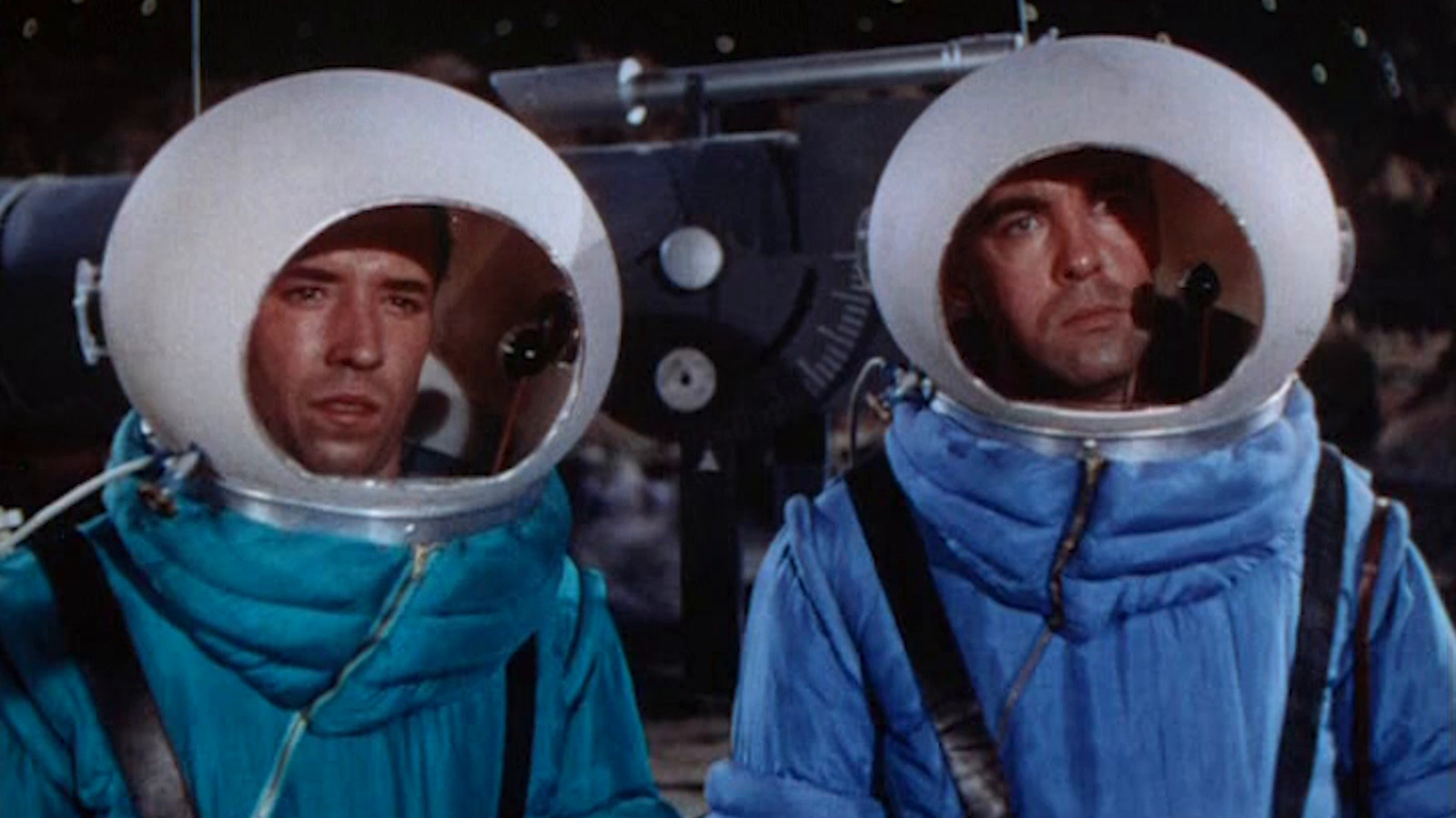
Irving Pichel's 1950 science fiction film "Destination Moon" is a groundbreaking movie that showcases a team of astronauts embarking on a mission to the moon using an atomic-powered rocket. The film focuses on the technical challenges faced by the astronauts during their journey, steering clear of alien or fantastical elements. A notable sequence in the movie involves the astronauts walking on the exterior of their rocket using magnetic boots, a scene that has been referenced in various films over the years.
As the astronauts encounter a crisis when they realize they have used up too much fuel to return to Earth, they must find innovative ways to lighten the rocket for takeoff. Despite some inaccuracies, the film delves into gravity, physics, and fuel supplies, making it a must-watch for science fiction enthusiasts. Director Steven Spielberg has praised the film for its cinematic tension, highlighting its impact on his own filmmaking journey.
Steven Spielberg's admiration for classic Hollywood films, such as "Destination Moon," has influenced his career as a filmmaker. Reflecting on his childhood experience watching Cecil B. DeMille's "The Greatest Show on Earth," Spielberg credits the film for inspiring his passion for filmmaking. When asked about his interest in science fiction, Spielberg acknowledged the influence of "Destination Moon" and its producer, George Pal, a renowned figure in the sci-fi and fantasy genre.
"Destination Moon" left a lasting impression on Spielberg, shaping his approach to storytelling and grounding his science fiction narratives in a sense of realism. Spielberg's films often incorporate a human element, emphasizing relatable characters and emotions amidst fantastical settings. The film's portrayal of humankind's first lunar expedition in vivid color resonated with Spielberg, highlighting the blend of science and storytelling that captivated audiences.