TV Time Capsule: Top 10 Shows That Defined the 1970s
The 1970s marked a significant period of social change in the United States, with civil rights advancements reshaping governance and entertainment. As the decade unfolded, traditional TV shows like "The Andy Griffith Show" and "Leave it to Beaver" gave way to a new wave of innovative and captivating programs from Hollywood studios. Viewers sought laughter, a glimpse into their neighbors' lives, and a sense of stability amidst the evolving times.
Amidst the turmoil of the 1970s, characterized by events like the Apollo 13 mission, the Watergate scandal, and Vietnam War protests, American television flourished with some of the most engaging shows in history. The era's brightest stars graced network sitcoms and variety shows, elevating TV to the level of Hollywood filmmaking. These top 10 shows from the '70s captivated audiences with their exceptional writing, talented casts, and insightful portrayal of 1970s America.
"The Brady Bunch," a sitcom that premiered in 1969, epitomizes the essence of the '70s with its iconic home decor and fashion. Despite its modest IMDb rating, the show's enduring legacy lies in its portrayal of a blended family during a time of rising divorce rates. The Brady children, under the guidance of seasoned actors Robert Reed and Florence Henderson, navigated life's lessons with memorable lines that have stood the test of time. The show's popularity has transcended generations, spawning spinoffs, films, and a reality TV special, showcasing the enduring appeal of the Brady family's chaotic yet harmonious existence.
"All in the Family" emerged as a groundbreaking series, featuring the cantankerous Archie Bunker as a reflection of societal prejudices and evolving norms. Carroll O'Connor's portrayal of Bunker, alongside co-star Jean Stapleton's Edith, offered a poignant commentary on the era's social upheavals. The show's blend of comedy and thought-provoking themes resonated with viewers, earning critical acclaim and accolades. Through its compelling narrative, "All in the Family" remains a poignant reflection of the era's cultural shifts and challenges.
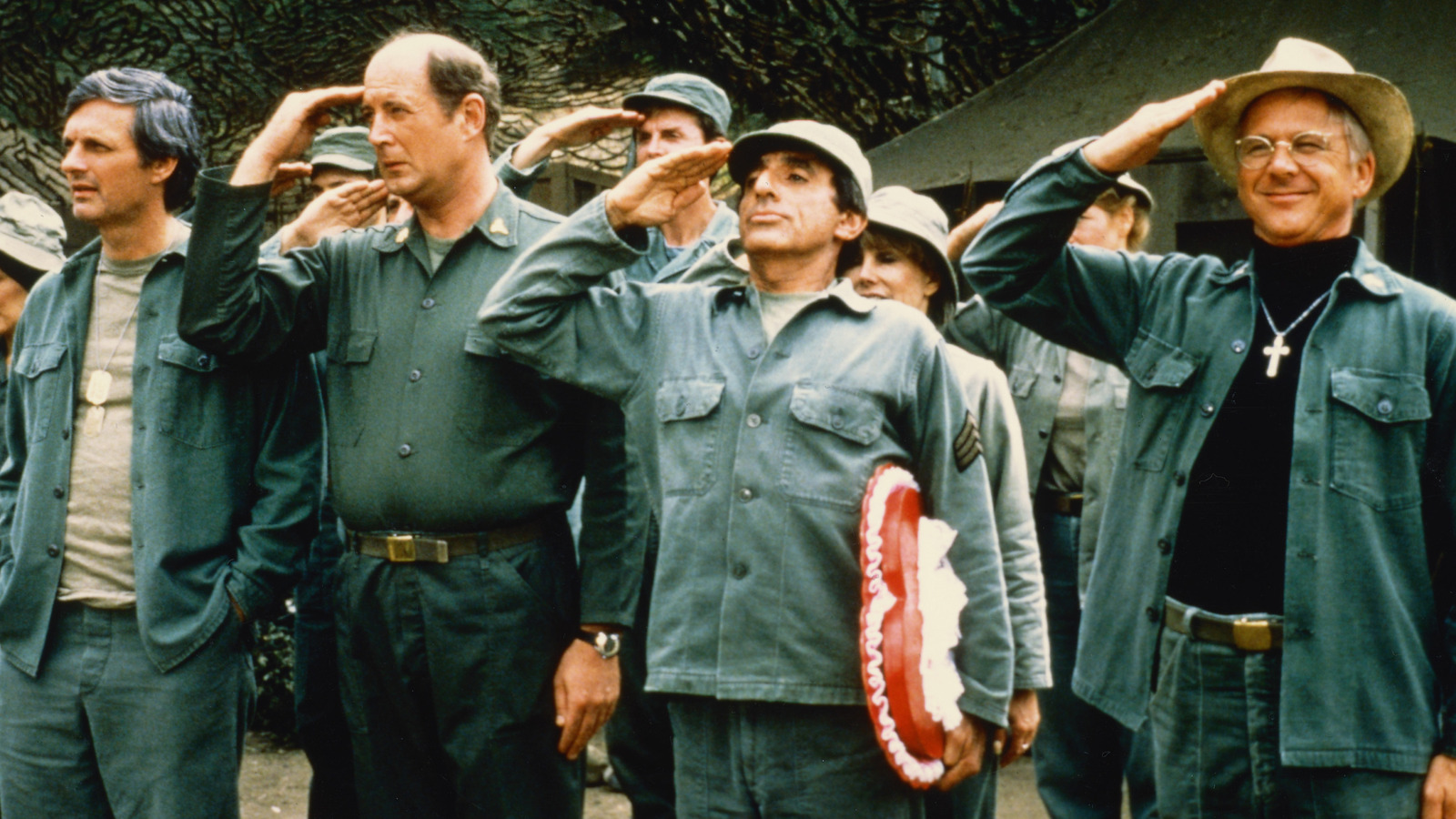
"M*A*S*H," a masterful blend of comedy and drama, captivated audiences with its poignant storytelling and stellar performances. Alan Alda's portrayal of Capt. Hawkeye Pierce, coupled with the show's ensemble cast, garnered critical acclaim and numerous awards. The series' enduring popularity, reflected in its high viewer ratings and record-breaking finale audience, solidifies its status as a timeless classic. Despite its historical context, "M*A*S*H" continues to resonate with modern audiences, offering a compelling blend of humor and drama.
"Happy Days," a nostalgic ode to the 1950s, captured the hearts of viewers with its endearing characters and iconic moments. Henry Winkler's portrayal of the charismatic Fonzie, alongside the Cunningham family's wholesome dynamics, epitomized the show's charm and enduring appeal. While the series introduced the concept of "Jumping the Shark," it remained a beloved cultural touchstone, showcasing the essence of '70s television with its timeless humor and relatable characters.
"Roots," a groundbreaking miniseries based on Alex Haley's novel, delved into the harrowing legacy of the slave trade and its impact on generations. The series' stellar cast and powerful storytelling earned critical acclaim and multiple awards, cementing its status as a cultural landmark. Through its compelling narrative and historical significance, "Roots" remains a poignant reminder of the enduring legacy of slavery and its reverberations in contemporary society.
"The Bob Newhart Show," a sitcom centered around psychologist Bob Hartley, offered a nuanced portrayal of work and home life in the mid-'70s. Bob Newhart's affable demeanor and the show's relatable humor resonated with audiences, destigmatizing therapy and highlighting the importance of mental health. Despite its understated approach, the series provided a sophisticated and insightful look at domestic and professional dynamics, setting a precedent for future sitcoms.
"The Jeffersons," a spinoff of "All in the Family," broke new ground by centering on a Black family's journey to success and social prominence. The series' catchy theme song and memorable characters, including Sherman Hemsley's George Jefferson, resonated with audiences and paved the way for diverse representation on television. Through its uplifting narrative and cultural impact, "The Jeffersons" remains a testament to the power of representation and storytelling in shaping societal perceptions.
"The Carol Burnett Show," a variety series featuring the comedic genius of Carol Burnett and her ensemble cast, captivated audiences with its character-driven sketches and improvisational humor. The show's Emmy-winning performances and enduring legacy showcase the timeless appeal of its comedic brilliance. Through its innovative approach to comedy and memorable characters, "The Carol Burnett Show" remains a beloved classic that continues to entertain audiences across generations.
In conclusion, the 1970s marked a golden era of television, with iconic shows that reflected the era's social changes, cultural shifts, and timeless themes. From family sitcoms to groundbreaking dramas, these top 10 shows from the '70s continue to captivate audiences with their compelling storytelling, memorable characters, and enduring legacy in the annals of television history.