Unveiling the Evolution of Poison Ivy: From Femme Fatale to Eco-Warrior
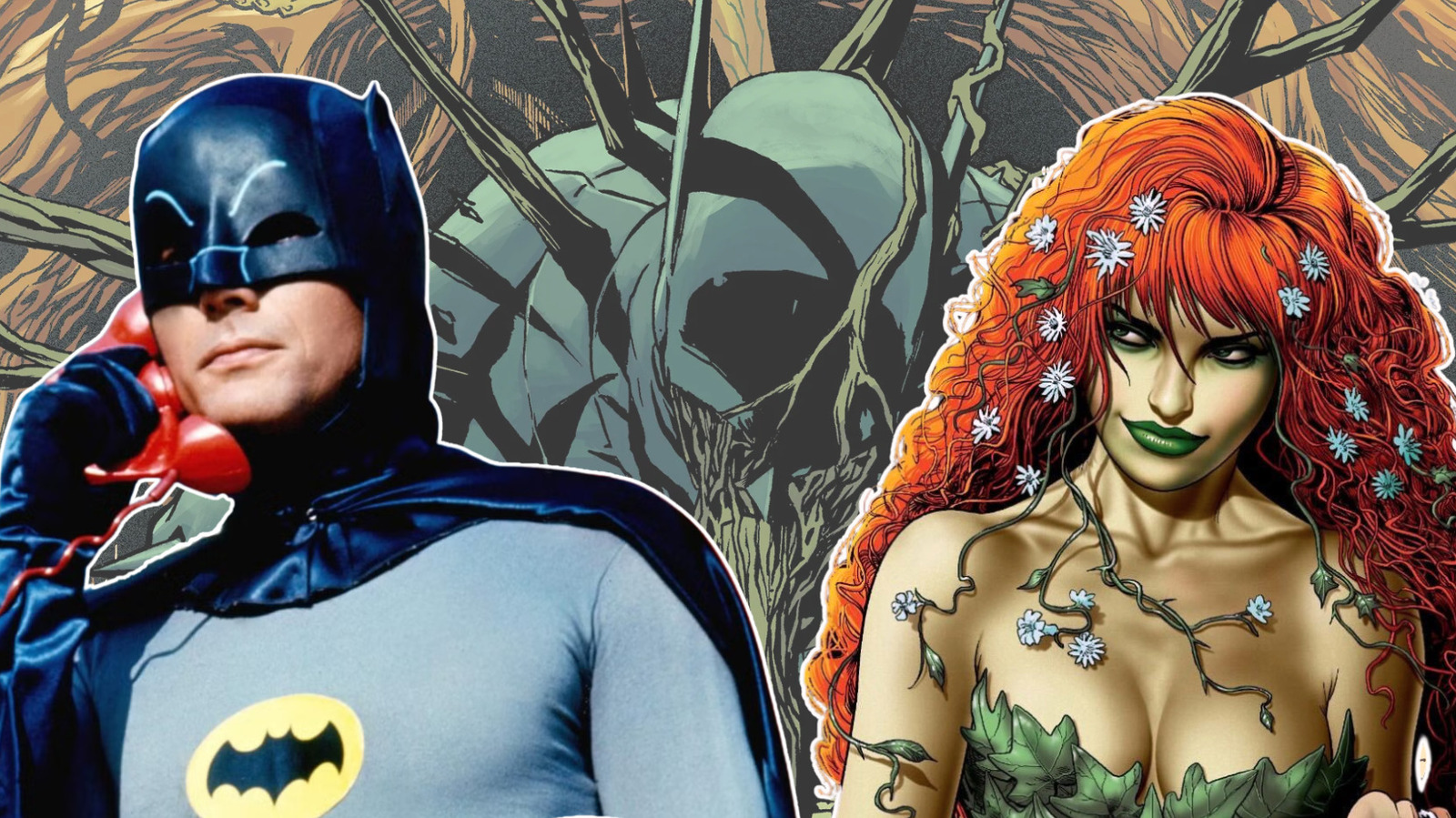
Poison Ivy, the floral femme fatale, made her debut in 1966 in the comic book "Batman" #181, during the same year the "Batman" TV series starring Adam West premiered. She was created by writers Sheldon Moldoff, Robert Kanigher, and artist Carmine Infantino, who were part of DC's Silver Age team. Ivy was inspired by the popularity of Julie Newmar's Catwoman on the TV show, as they wanted more female villains for Batman. In her first appearance, Ivy aimed to become the top female villain in Gotham City, competing against other female villains like Dragon Fly, Silken Spider, and Tiger Moth.
Initially, Poison Ivy was a simple criminal with a plant motif, but her powers evolved to include superpowered control over flora and toxins. She was infatuated with Batman, and her charms affected him so much that Robin had to intervene. Over time, Ivy's powers became more plant-themed, and she transitioned from a crime boss to a mad botanist. In a storyline by Gerry Conway and Jack Abel, it was revealed that Ivy gained natural immunity to poisons through mystical herbs after an ex-lover tried to kill her.
A modern retelling of Ivy's origin in 1986 by Neil Gaiman and Mark Buckingham portrayed her as a lonely rich girl who fell for her professor, Dr. Jason Woodrue, and was used as a test subject for poison immunity. Disappointed by men, she became Poison Ivy to claim Batman as her own. Gaiman connected Ivy to Alan Moore's "Swamp Thing," revealing her link to "The Green," the embodiment of Earth's plant life, giving her telepathic control over plants.
Poison Ivy became a prominent villain in "Batman: The Animated Series," with her most significant episode being "Harley and Ivy," where she teamed up with Harley Quinn. Their relationship evolved over the years, and Ivy's radical acts to protect nature gained sympathy as humans continued to harm the environment. Currently, Poison Ivy has her own comic series written by G. Willow Wilson, showcasing her complex character and motivations.
Despite her evolution, Poison Ivy's origins as a femme fatale remain evident, with her seductive appearance and plant-like features. In Scott Snyder's "Absolute Batman," Ivy's character takes a darker turn with elements of body horror, exploring new facets of her persona.