Captivating Cold War Cinema: Top 10 Films Exploring Espionage, Nuclear Threats, and Ideological Conflict
The Cold War, a prolonged geopolitical conflict between the United States and the Soviet Union, dominated the 20th century with the looming threat of nuclear destruction. Numerous films were produced during and after the Cold War era, delving into themes of nuclear war, espionage, and ideological differences. These movies continue to captivate audiences with their exploration of human conflict and the consequences of political tensions.
Here are the top 10 Cold War movies of all time, spanning various genres and time periods. From thrilling spy dramas to satirical comedies, these films offer a glimpse into the paranoia and uncertainty of the Cold War era. Many of these movies are considered classics, resonating with audiences even today as echoes of the global conflict persist. Each film captures the sense of impending doom that characterized the Cold War, while also providing a thrilling escape into a world of intrigue and espionage.
"The Russians Are Coming! The Russians Are Coming!" is a 1966 comedy directed by Norman Jewison that humorously portrays the panic that ensues in a small New England town when a Russian submarine accidentally lands on its shores. The film offers a lighthearted take on Cold War tensions, highlighting the absurdity of viewing people from different cultures as enemies. Despite the comedic tone, the movie delivers a message of peace and understanding, emphasizing the possibility of coexistence amidst political differences.
"WarGames," released in 1983 and directed by John Badham, follows a high school hacker who unwittingly triggers a nuclear crisis by hacking into the US Department of Defense's computer system. The film explores the dangers of artificial intelligence and the potential consequences of technological warfare. As tensions between the US and the Soviet Union escalate, the protagonist must race against time to prevent a catastrophic outcome, showcasing the real-world implications of cyber warfare.
"The Lives of Others," a 2006 German film directed by Florian Henckel von Donnersmarck, offers a poignant portrayal of life in East Berlin during the Cold War. The story follows a Stasi officer tasked with spying on a playwright suspected of disloyalty to the Communist Party. As the officer becomes entangled in the lives of his targets, he grapples with conflicting loyalties and the moral complexities of surveillance. The film sheds light on the psychological toll of living under constant surveillance and the impact of political oppression on individuals.
"Tinker Tailor Soldier Spy," a 2011 adaptation of John le Carré's novel, is a British espionage thriller directed by Tomas Alfredson. The film follows retired intelligence officer George Smiley as he investigates a mole within British intelligence during the Cold War. With its intricate plot and nuanced characters, the movie delves into the shadowy world of espionage and betrayal, highlighting the personal and political stakes of the spy game. Gary Oldman delivers a standout performance as the enigmatic Smiley, navigating a web of deceit and deception to uncover the truth.
"Bridge of Spies," a 2015 historical drama directed by Steven Spielberg, tells the true story of an American lawyer negotiating a prisoner exchange during the Cold War. Tom Hanks stars as the principled attorney who must navigate the complexities of international diplomacy to secure the release of an American pilot held captive in the Soviet Union. The film explores themes of justice, loyalty, and human decency in the face of political conflict, offering a compelling look at the power of diplomacy in times of crisis.
"The Spy Who Came in from the Cold," a 1965 adaptation of John le Carré's novel, is a British espionage thriller directed by Martin Ritt. The film follows a disillusioned MI6 agent who becomes embroiled in a dangerous game of espionage in Cold War-era Berlin. As he navigates a web of deceit and betrayal, the agent grapples with his own moral compromises and the cost of loyalty to his country. Richard Burton delivers a haunting performance as the world-weary spy, capturing the bleak atmosphere of Cold War espionage.
"Fail Safe," a 1964 thriller directed by Sidney Lumet, explores the terrifying prospect of nuclear war in the midst of a system malfunction that triggers a potential attack on Moscow. As the US president and military officials scramble to avert disaster, tensions escalate and the fate of the world hangs in the balance. The film's tense atmosphere and gripping narrative underscore the catastrophic consequences of human error and the fragility of global security during the Cold War.
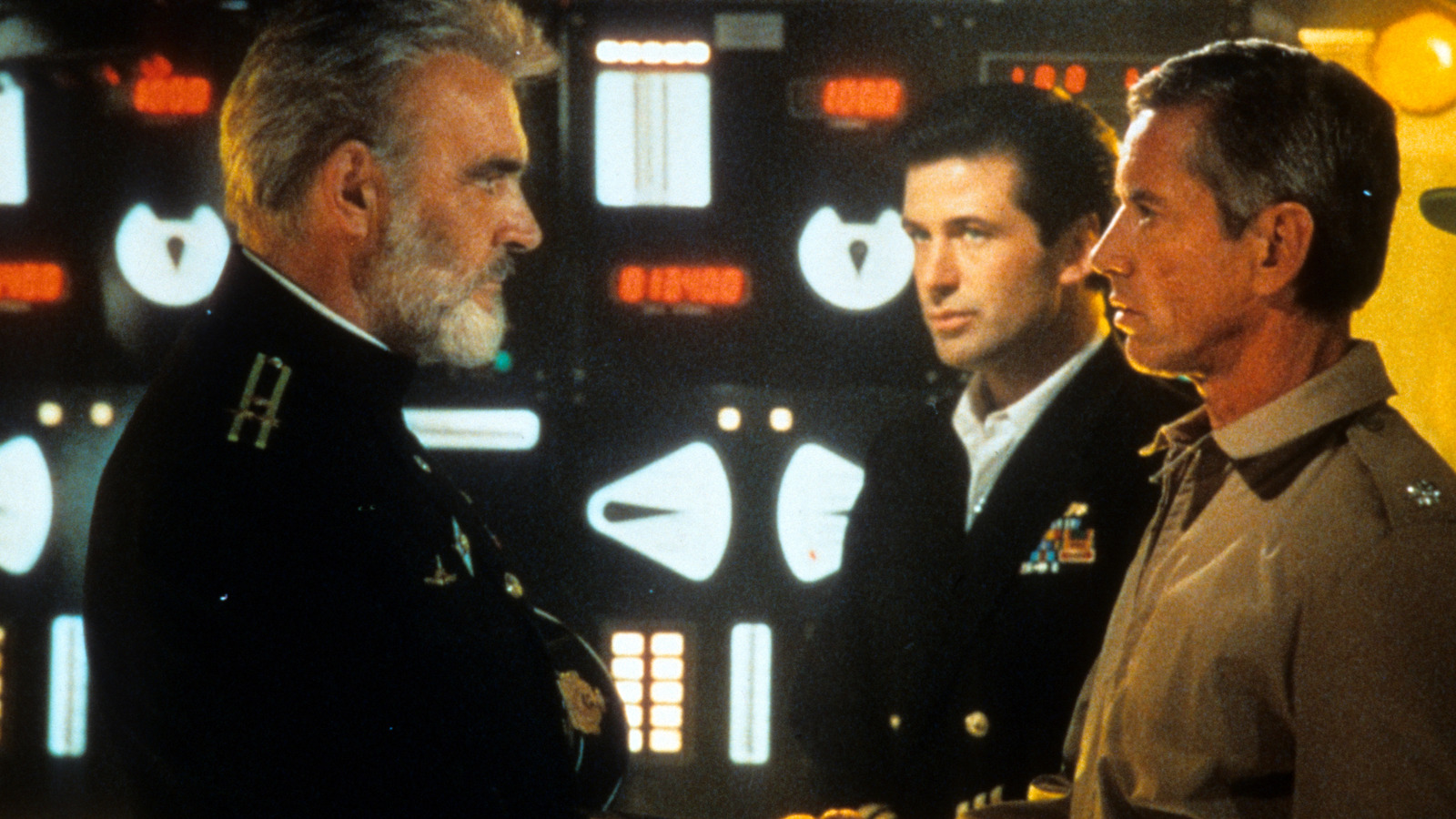
"The Hunt for Red October," a 1990 submarine thriller directed by John McTiernan, follows a CIA analyst who must prevent a rogue Soviet submarine captain from triggering a nuclear crisis. As the Red October heads towards American waters, the analyst races against time to uncover the captain's true intentions and prevent a catastrophic confrontation between superpowers. The film's high-stakes tension and intricate plot capture the paranoia and suspense of Cold War espionage, showcasing the dangers of miscommunication and mistrust in a world on the brink of war.
In conclusion, Cold War movies offer a compelling glimpse into a tumultuous period of history marked by political tensions, nuclear threats, and espionage. These films explore the human cost of ideological conflict and the moral dilemmas faced by individuals caught in the crossfire of global superpower rivalry. By examining the personal stories behind the headlines, Cold War movies shed light on the complexities of international relations and the enduring legacy of a conflict that shaped the modern world.