Cinematic Gems of the Early 2000s: A Retrospective on Timeless Classics and Cultural Milestones
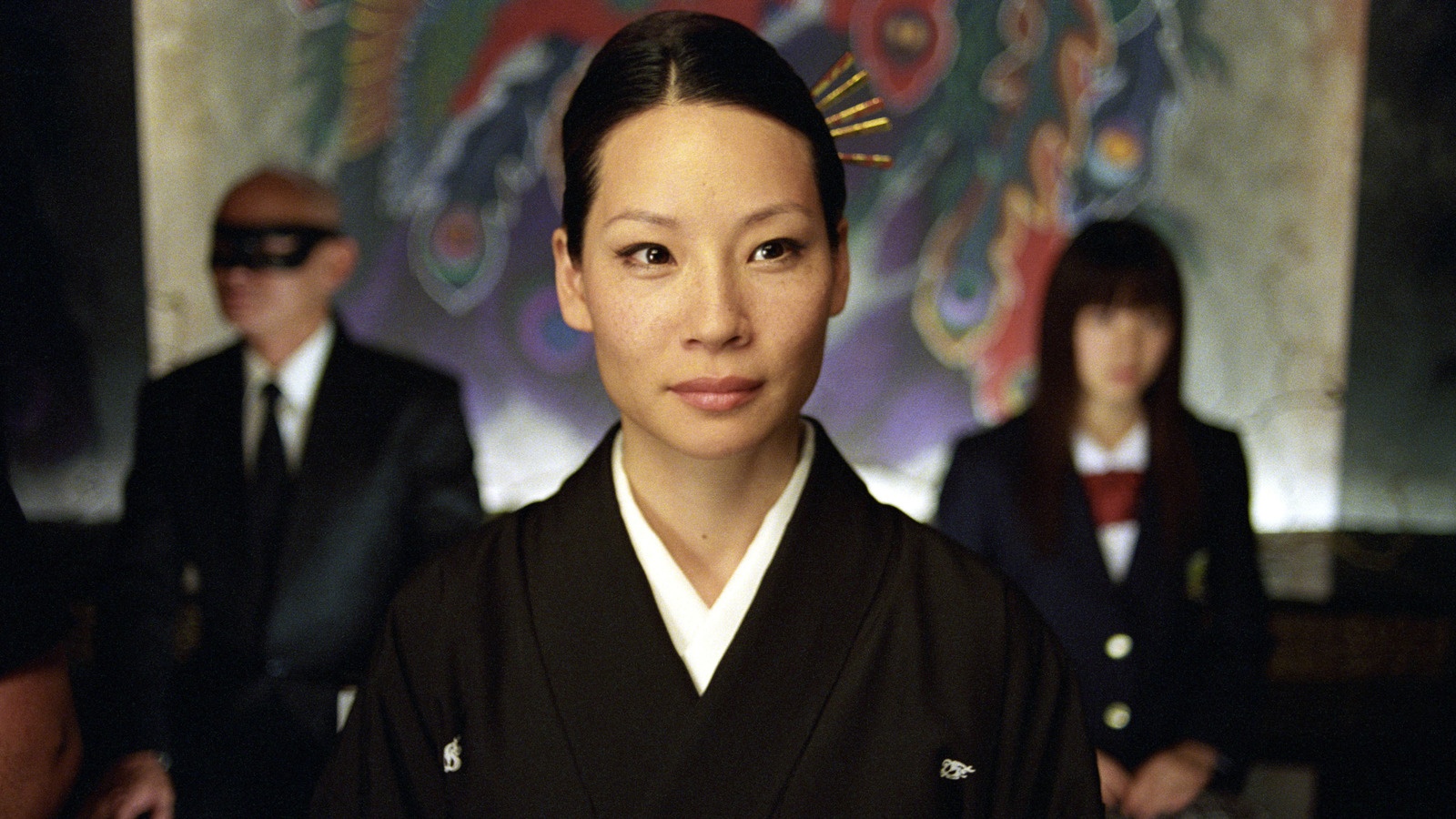
The turn of the 21st century brought about a period of significant change and upheaval, with the September 11 attacks and the subsequent "War on Terror" reshaping the global landscape. Despite the challenges of the early 2000s, the era proved to be a golden age for movies, with Hollywood experiencing a surge in box office success and the emergence of cult classics from previously overlooked films. The rise of special effects and online fan communities propelled geeky genre titles into mainstream success, paving the way for the dominance of fantasy and superhero blockbusters in the years to come. Amidst this cinematic revolution, several standout films from 2000 to 2004 captured the essence of the era and left a lasting impact on audiences.
"In the Mood for Love," a 2000 romantic drama directed by Wong Kar-wai, stands as a timeless classic that has garnered critical acclaim and influenced numerous filmmakers. Set in 1960s Hong Kong, the film follows the poignant relationship between two neighbors, Chow Mo-wan and Su Li-zhen, who find solace in each other's company as they navigate the complexities of their spouses' infidelity. With its exquisite production design and captivating cinematography, "In the Mood for Love" immerses viewers in a world of restrained passion and unspoken desires, showcasing the talents of its lead actors, Tony Leung Chiu-wai and Maggie Cheung. The film's enduring legacy is evident in its influence on subsequent works and its enduring appeal to audiences worldwide.
"American Psycho," directed by Mary Harron in 2000, offers a satirical take on the excesses of 1980s Wall Street culture through the lens of its protagonist, Patrick Bateman, portrayed by Christian Bale. Blending dark humor with disturbing violence, the film challenges viewers to confront the darker aspects of consumerism and masculinity, making it a provocative and thought-provoking cinematic experience. While not suitable for all audiences due to its graphic content, "American Psycho" remains a compelling exploration of societal norms and individual identity, anchored by Bale's transformative performance and Harron's incisive direction.
The resurgence of the movie musical genre in the early 2000s brought forth gems like "Hedwig and the Angry Inch," a 2001 film directed by John Cameron Mitchell. Centered around the genderqueer musician Hedwig, the film delves into themes of identity, love, and self-discovery with a rock-infused soundtrack and bold visual style. Mitchell's dual role as director and star elevates the film's emotional resonance, offering a poignant and empowering narrative that resonates with audiences to this day. "Hedwig and the Angry Inch" stands as a testament to the enduring power of music and storytelling in cinema, pushing boundaries and challenging conventions with its unapologetic approach to gender and sexuality.
Guillermo Del Toro's 2001 film "The Devil's Backbone" blends elements of ghost story and historical drama to create a haunting and atmospheric tale set against the backdrop of the Spanish Civil War. Delving into themes of loss, betrayal, and redemption, the film follows a group of orphans haunted by the ghost of a murdered child, whose presence unravels dark secrets and hidden truths within the orphanage. Del Toro's masterful direction and evocative visuals imbue the film with a sense of foreboding and melancholy, drawing viewers into a world where the line between the living and the dead blurs. "The Devil's Backbone" serves as a testament to Del Toro's storytelling prowess and his ability to craft compelling narratives that resonate on both emotional and intellectual levels.
David Lynch's enigmatic masterpiece "Mulholland Drive," released in 2001, defies easy categorization with its surreal narrative and dreamlike imagery. Originally conceived as a television pilot, the film underwent a transformation into a standalone feature that captivates and confounds viewers with its nonlinear structure and cryptic symbolism. Lynch's exploration of identity, desire, and illusion unfolds through the intertwined stories of Rita and Betty, played by Laura Harrington and Naomi Watts, in a mesmerizing blend of mystery and melodrama. "Mulholland Drive" stands as a testament to Lynch's unique vision and storytelling prowess, inviting audiences to unravel its enigmatic mysteries and delve into the depths of the subconscious.
Peter Jackson's epic adaptation of J.R.R. Tolkien's "The Lord of the Rings" trilogy, spanning from 2001 to 2003, redefined the fantasy genre and set a new standard for cinematic storytelling. Filmed concurrently and released as a cohesive narrative, the trilogy follows the perilous journey of Frodo Baggins and his companions as they embark on a quest to destroy the One Ring and save Middle-earth from darkness. Jackson's meticulous attention to detail, coupled with groundbreaking visual effects and a stellar ensemble cast, brought Tolkien's richly imagined world to life on the big screen, captivating audiences with its epic scope and emotional depth. "The Lord of the Rings" trilogy remains a landmark achievement in filmmaking, blending fantasy elements with profound themes of friendship, sacrifice, and heroism to create a timeless cinematic saga.
Hayao Miyazaki's enchanting masterpiece "Spirited Away," released in 2001, transports viewers into a whimsical world of magic and mystery, where a young girl named Chihiro navigates a fantastical realm filled with spirits and supernatural beings. Miyazaki's richly detailed animation and imaginative storytelling create a captivating and immersive experience that resonates with audiences of all ages. "Spirited Away" has garnered widespread acclaim for its thematic depth, visual artistry, and emotional resonance, solidifying its status as a beloved classic in the realm of animated cinema. Whether viewed as a nostalgic journey into childhood or a profound exploration of identity and resilience, "Spirited Away" continues to enchant and inspire viewers with its timeless charm and universal themes.
Quentin Tarantino's "Kill Bill" duology, comprising "Vol. 1" in 2003 and "Vol. 2" in 2004, showcases the filmmaker's signature style and storytelling prowess in a tale of revenge, redemption, and female empowerment. Starring Uma Thurman as The Bride, a former assassin seeking vengeance against her former allies, the films blend martial arts action with Tarantino's trademark dialogue and visual flair to create a kinetic and visceral cinematic experience. Despite the controversies surrounding Tarantino's personal conduct, "Kill Bill" remains a testament to his creative vision and cinematic craftsmanship, offering a compelling and cathartic exploration of justice and retribution. The duology's fusion of genre influences and thematic depth makes it a standout entry in Tarantino's oeuvre, resonating with audiences through its bold storytelling and dynamic performances.
In conclusion, the early 2000s marked a transformative period in cinema, with a diverse array of films pushing boundaries and challenging conventions to create lasting works of art. From intimate character dramas to epic fantasy sagas, the films of this era reflect the cultural and artistic landscape of the time, resonating with audiences through their emotional depth, visual splendor, and thematic richness. As we look back on these cinematic gems from 2000 to 2004, we celebrate the enduring power of storytelling and the profound impact of cinema on our lives, inviting audiences to revisit these timeless classics and discover new perspectives on the world of film.