Countering Drone Threats with Advanced Laser Technology: The Role of AV's Locust System
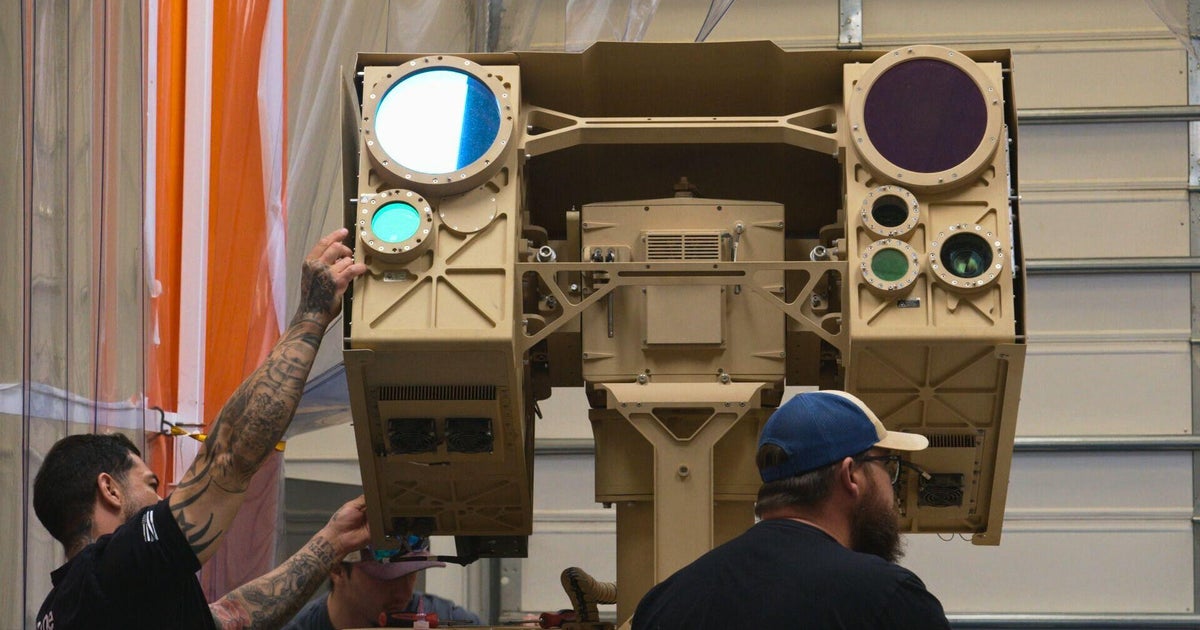
Asymmetric warfare is a term used to describe the conflict between high-tech interceptor missiles like Patriots and THAADs against Iran's low-tech drones. These drones, made from easily accessible materials, have caused significant damage, including the first American casualties in Kuwait. The Iranian drones pose a threat to U.S. weapons stockpiles and the Strait of Hormuz. To counter this threat, innovative solutions like laser technology are being explored to efficiently neutralize the drones. These lasers offer a cost-effective alternative to expensive missile interceptors, with a significant reduction in the cost per shot. American defense contractor AeroVironment (AV) has developed a laser system called Locust, which has been deployed in various battles worldwide, including against Iranian drones.
The escalating use of drones in warfare has highlighted the need for effective countermeasures. AV's Locust system, with its advanced laser technology, offers a promising solution to combat the proliferation of drones. The system's ability to track and destroy enemy drones using AI and high-powered lasers has proven successful in various scenarios. While AV faces competition from other defense contractors and countries developing similar laser systems, the effectiveness of the Locust system in countering drone threats has been demonstrated in real-world deployments. As drone technology continues to evolve, laser technology must adapt to ensure its efficacy in challenging environments and weather conditions.
The integration of laser technology into the U.S. military arsenal represents a significant advancement in combating drone threats. While lasers are not a panacea for all challenges, they offer a valuable tool in addressing the evolving nature of modern warfare. The U.S. Army's procurement of the Locust system underscores the growing importance of laser-directed energy systems in military operations. The successful deployment of these systems in combating drug smuggling drones along the Mexican border highlights their versatility and effectiveness in various operational contexts. Despite concerns about potential interference with commercial aircraft, the use of laser systems like Locust has proven to be a valuable asset in enhancing national security and defense capabilities.