Missed Beatlemania: President Johnson's Refusal to Meet The Beatles
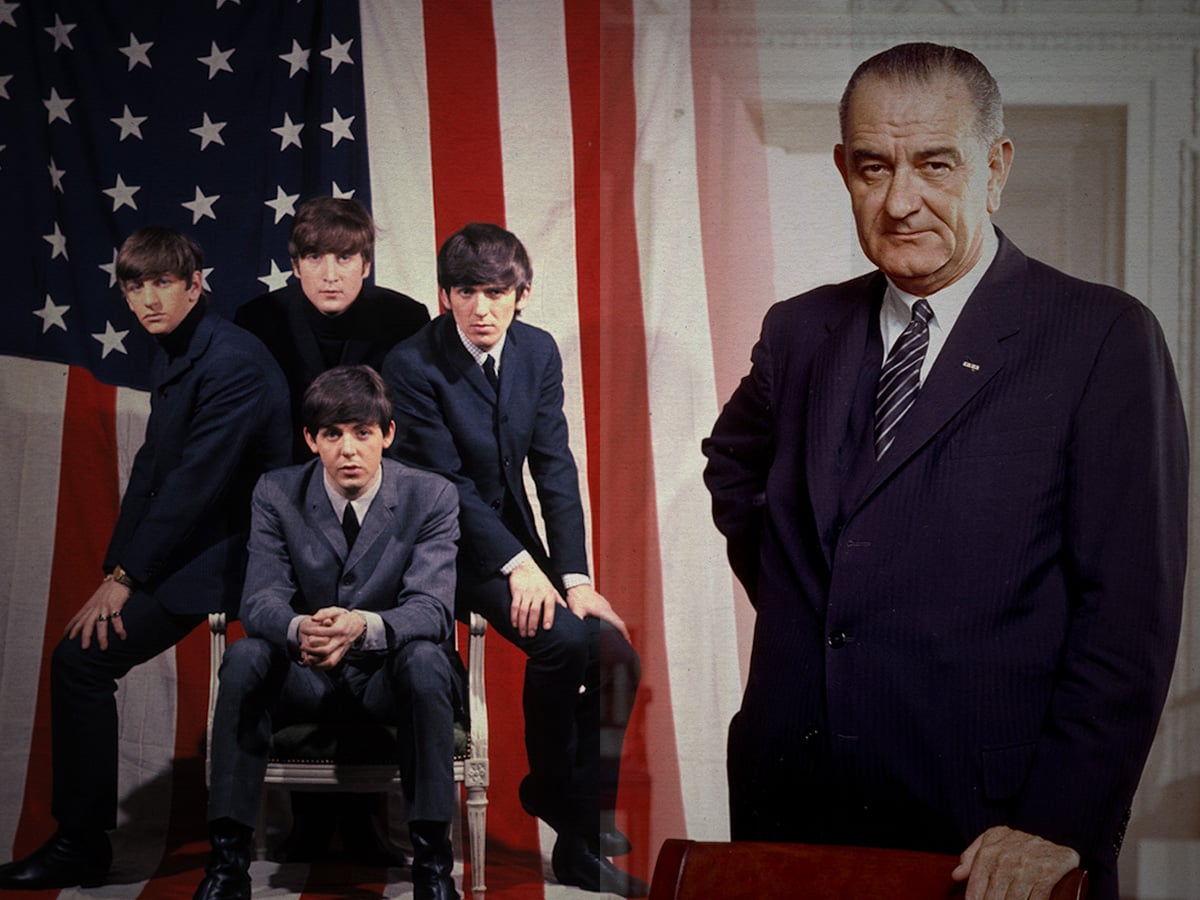
The Beatles wielded immense power in the 1960s, captivating audiences worldwide with their music. Despite their influence, US President Lyndon B Johnson was not particularly enamored with the band. The Beatles' iconic arrival at JFK Airport in 1964 marked the beginning of Beatlemania, a cultural phenomenon that swept the nation. While many expected the President to embrace this momentous occasion, LBJ was not swayed. However, his daughter, Lucy Baines Johnson, caught the Beatlemania bug and sought to invite the band for tea at the White House.
Lucy's excitement was met with disappointment when her father declined her request to host The Beatles. President Johnson believed it was a time for the family to focus on work rather than indulging in the craze surrounding the band. With the nation grappling with issues like the aftermath of JFK's assassination and escalating tensions in Vietnam, meeting The Beatles was not a priority for the President.
Despite his daughter's enthusiasm for the band, President Johnson failed to recognize the cultural significance of The Beatles at the time. To him, they were just another passing trend, rather than the global icons they would later become. It wasn't until a decade later that a member of The Beatles, George Harrison, was finally invited to the White House by President Gerald Ford's son, John.
While President Johnson faced criticism for his decisions during his presidency, his refusal to meet with The Beatles stands out as a missed opportunity. Engaging with the band could have potentially improved his standing among the younger generation. However, it remains uncertain whether The Beatles themselves would have been interested in meeting with him. The clash between politics and pop culture highlights the complexities of navigating fame and influence in the 1960s.