Senator Markwayne Mullin's Stock Trading and Potential Conflicts of Interest: A Closer Look
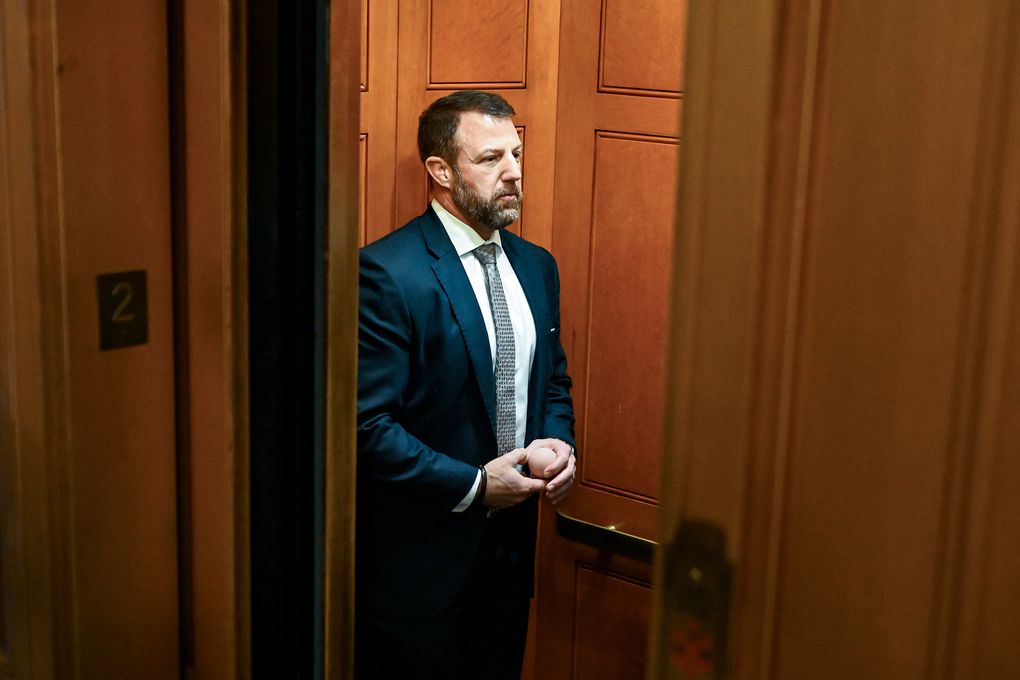
After the holiday season, Senator Markwayne Mullin made significant additions to his stock portfolio, including shares in Chevron, a major U.S. oil company operating in Venezuela. Following his purchase, President Donald Trump criticized Venezuela, causing Chevron's stock price to rise. Mullin's stock transactions, totaling up to $2.8 million in 31 companies, have drawn attention due to his active trading habits, making him one of the most prolific stock buyers in Congress.
Despite speculation, there is no evidence that Mullin had insider knowledge when making these stock purchases. Federal law allows members of Congress to trade stocks, even in industries they oversee. However, Mullin's trading activities have come under scrutiny as he faces confirmation as the head of the Department of Homeland Security, which is awarding significant contracts as part of the administration's immigration policies.
Calls for stricter regulations on stock trading by lawmakers have been made by various leaders, including Trump, to prevent conflicts of interest. Mullin's spokesperson emphasized that he follows all laws and ethics rules, using a third-party firm to manage his stock investments. His financial disclosures show a significant increase in personal wealth since joining Congress, with assets ranging from $29 million to $97 million in 2024.
Mullin's trading patterns have shifted over the years, with a focus on stocks after selling his family's plumbing business in 2021. His stock trades have shown successful returns, outperforming the market by 8% from 2024 to 2026. While lawmakers face few restrictions on stock trading, concerns have been raised about the potential for conflicts of interest when trading in companies related to their committee work.
The permissive rules governing stock trading by members of Congress have raised questions about whether they prioritize public interests over personal gains. Mullin's financial disclosures reveal ownership of shares in companies with contracts with the Department of Homeland Security, raising concerns about potential conflicts of interest. Despite facing criticism for failing to disclose stock purchases in the past, Mullin's spokesperson stated that he would comply with ethics rules if confirmed as DHS secretary.
Mullin's journey from a plumbing business owner to a prolific stock trader has been marked by significant financial transactions and successful investments. His stock purchases in companies like L3Harris and Intuitive Surgical Inc. have yielded substantial returns, raising questions about the influence of his committee work on his trading decisions. Calls for stricter regulations on stock trading by lawmakers have gained bipartisan support, with Trump advocating for measures to prevent insider trading among members of Congress.
In conclusion, Senator Markwayne Mullin's active stock trading habits and financial dealings have come under scrutiny as he faces confirmation as the head of the Department of Homeland Security. His successful stock investments and ownership of shares in companies with government contracts have raised concerns about potential conflicts of interest. Calls for stricter regulations on stock trading by lawmakers highlight the need for transparency and accountability in financial transactions involving public officials.