Title: "Measles Resurgence in the U.S.: Challenges and Implications for Public Health Preparedness
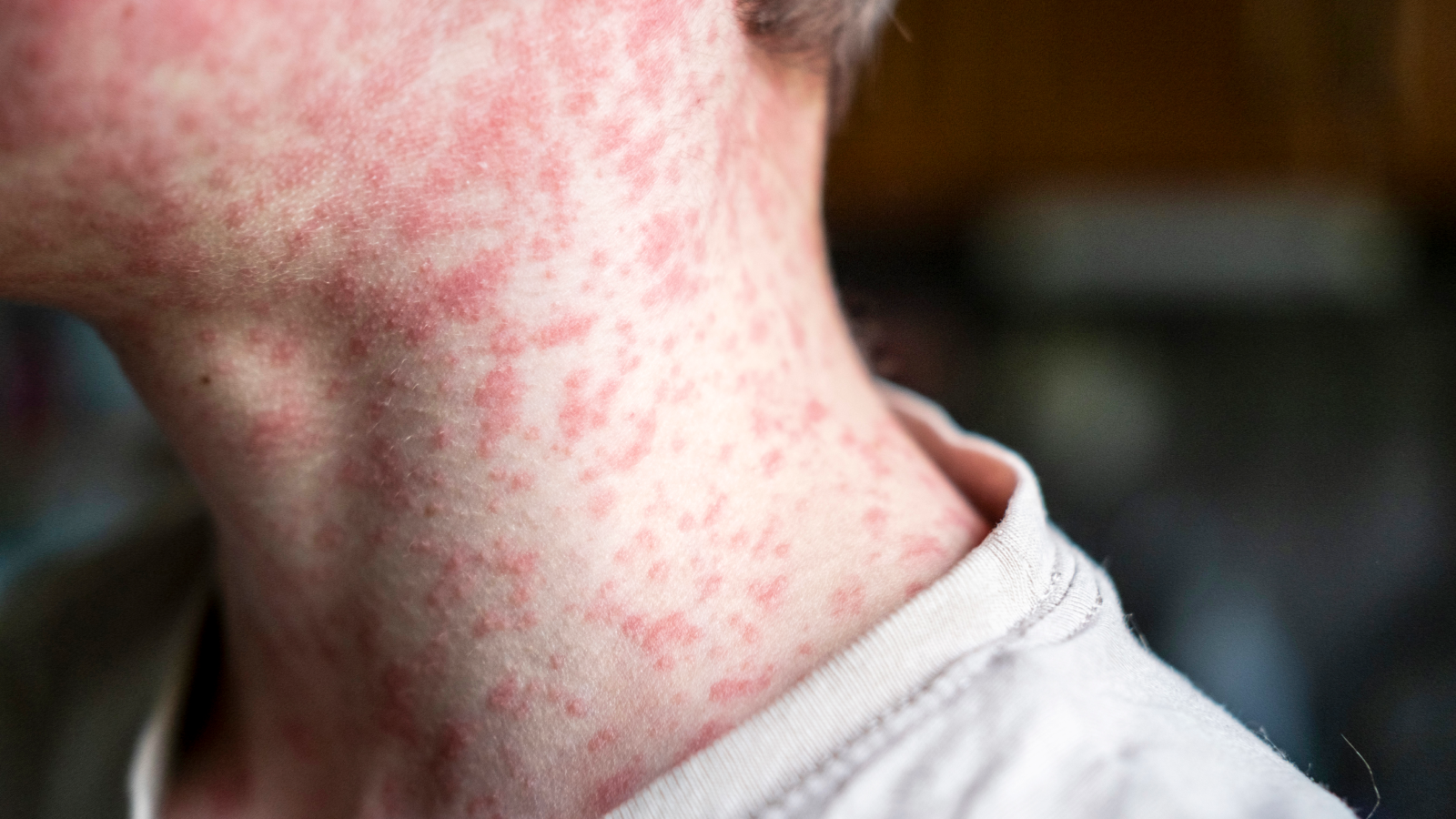
The resurgence of measles in the United States has raised concerns among pandemic researchers about the country's ability to respond effectively to disease outbreaks. Measles, once a rare occurrence in the U.S., has now become more prevalent, with outbreaks occurring in various states since 2025. The low vaccination rates across the country have contributed to the resurgence of measles, leading to hospitalizations and deaths among the unvaccinated population.
The decline in vaccination rates, particularly for the MMR vaccine, which protects against measles, mumps, and rubella, has jeopardized herd immunity in the U.S. Maintaining high vaccination rates is crucial to prevent measles from spreading in communities with pockets of unvaccinated individuals. The U.S. and Mexico are at risk of losing their measles elimination status due to the ongoing outbreaks and declining vaccination rates.
The consequences of measles outbreaks go beyond immediate health impacts, as they also incur significant economic costs. Containing measles outbreaks can be expensive, with studies showing that the cost per case can amount to tens of thousands of dollars. The economic burden of measles outbreaks extends to healthcare systems and the overall economy, highlighting the importance of maintaining high vaccination coverage.
The resurgence of measles in the U.S. underscores broader challenges in public health preparedness and response. Trust in vaccines and public health institutions, such as the Centers for Disease Control and Prevention, has eroded in recent years, posing a threat to efforts to control infectious diseases. The decline in public confidence in vaccination and public health authorities could hinder future disease control efforts, including responses to pandemics and biological threats.
The recurring outbreaks of measles in the U.S. serve as a warning sign of the country's vulnerability to infectious diseases and the need for robust public health measures. Addressing the root causes of declining vaccination rates and rebuilding public trust in vaccines and public health institutions are essential steps to strengthen the country's resilience against future disease threats.