U.S. Airline CEOs Urge Congress to End Government Shutdown Impacting Air Travel
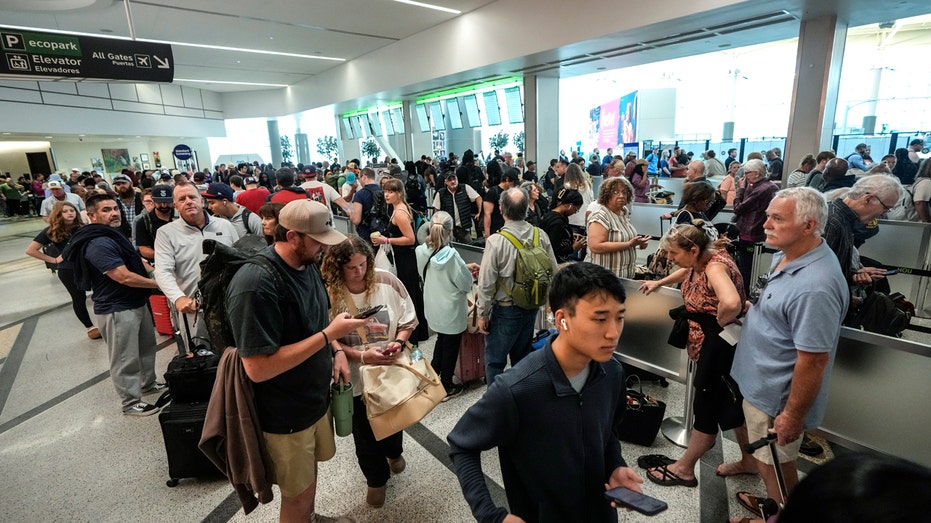
Major U.S. airline CEOs are calling on Congress to end the ongoing government shutdown that has left 50,000 airport security officers working without pay. The CEOs expressed concerns about the impact on air travel, with long lines and delays already being experienced at some airports during the busy spring break season. They emphasized the need for immediate action to fund the Department of Homeland Security and prevent future disruptions to air travel.
During a previous government shutdown, flight disruptions were widespread, leading to a 10% flight cut at major airports. The airline executives highlighted the recurring issue of air travel being affected by political disputes and urged for legislation to ensure that critical government aviation personnel are paid during future shutdowns. Despite efforts by senators from both parties to fund the TSA, more than 300 officers have quit since the shutdown began.
The funding for the Department of Homeland Security lapsed in February, triggering the current shutdown. With a record-breaking spring travel period expected, airlines are facing challenges due to the ongoing shutdown. Some airports have reported security lines exceeding two hours, prompting concerns about travel delays and cancellations. The CEOs stressed the impact on Americans and called for swift action to address the situation.
As TSA absences continue to rise, airports are taking measures to alleviate the burden on affected workers, including closing security checkpoints and raising funds to support them. The CEOs emphasized the need for a resolution to prevent further disruptions to air travel and ensure the well-being of TSA officers. The ongoing government shutdown has underscored the importance of addressing the challenges faced by the aviation industry and the need for sustainable solutions to prevent future disruptions.