Legal Battle Over Jan. 6 Pardon: Man Accused of Planting Pipe Bombs Seeks Dismissal
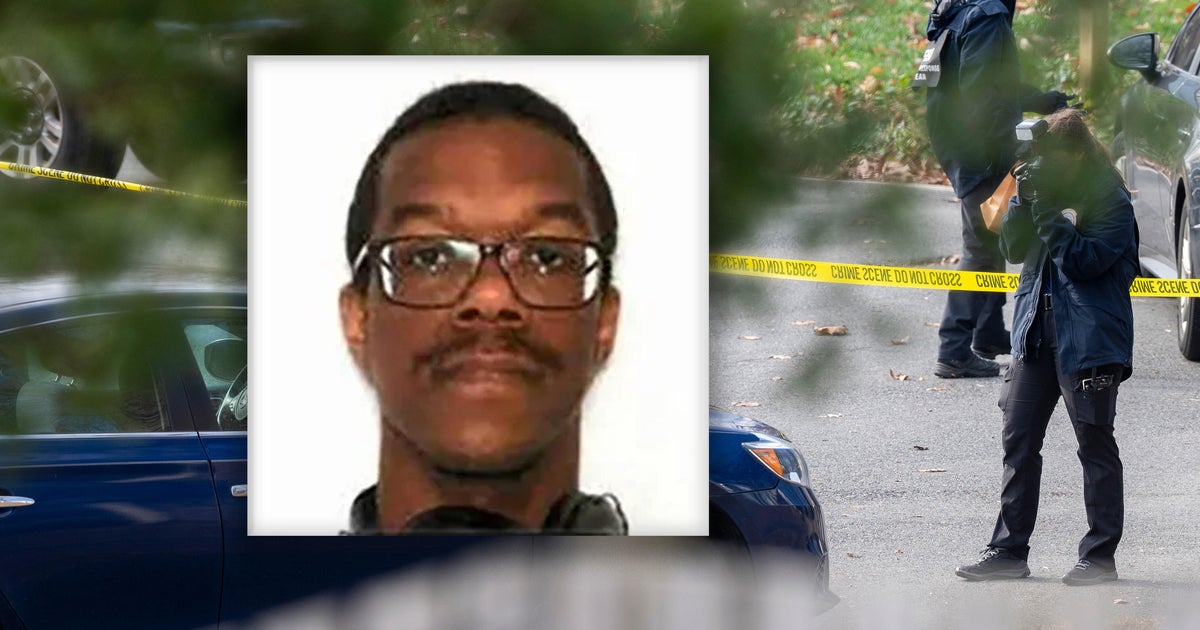
A man accused of planting pipe bombs outside the Republican National Committee and Democratic National Committee headquarters on January 5, 2021, is seeking to have the charges against him dismissed, claiming he is protected by President Trump's pardons for alleged Jan. 6 rioters. Brian Cole Jr.'s lawyers argue that the charges against him are closely linked to the events of Jan. 6, as he had traveled to D.C. for an election-related protest in 2020. The bombs were discovered on Jan. 6, but Cole's attorneys assert that the pardon should apply to him based on the language of the pardon and the facts of the case.
Cole, who pleaded not guilty, faces charges of interstate transportation of explosives and malicious attempt to use explosives. The bombs, which were viable but did not detonate, were planted on Jan. 5 and remained unsolved for almost five years until Cole was charged late last year. The Trump administration had prioritized solving the case, and Cole's lawyers argue that the pardon should cover him as it applies to offenses related to events near the Capitol on Jan. 6, 2021.
The Jan. 6 pardons issued by President Trump provided relief to approximately 1,500 riot defendants, including those accused of trespassing and assaulting police. The pardons wiped away criminal convictions for most individuals convicted of Jan. 6-related offenses and directed the Justice Department to seek dismissal of charges for those not yet convicted. In Cole's case, his lawyers contend that the phrase "related to" in the pardon order could encompass offenses that occurred before Jan. 6, as long as they were connected to the events of that day.
The limits of the Jan. 6 pardons have been tested in other criminal cases as well. Some defendants faced both Jan. 6 charges and weapons possession charges, leading to debates over whether the pardons should cover all charges against them. In one instance, a defendant received a second pardon to address his gun charges. Another rioter, Edward Kelley, faced charges for entering the Capitol on Jan. 6 and threatening FBI agents during the investigation. Prosecutors argued that Trump's pardon did not extend to the charges related to threats against the FBI, resulting in Kelley being sentenced to life in prison.
In conclusion, the case of Brian Cole Jr. highlights the complexities surrounding the Jan. 6 pardons and their application to individuals facing charges related to the Capitol riot. The interpretation of the pardon language and its scope continue to be debated in various criminal cases, underscoring the legal challenges and implications of the pardons issued by President Trump.