Swift Beef Co. Plant Strike: Workers Stand Up Against Unfair Labor Practices
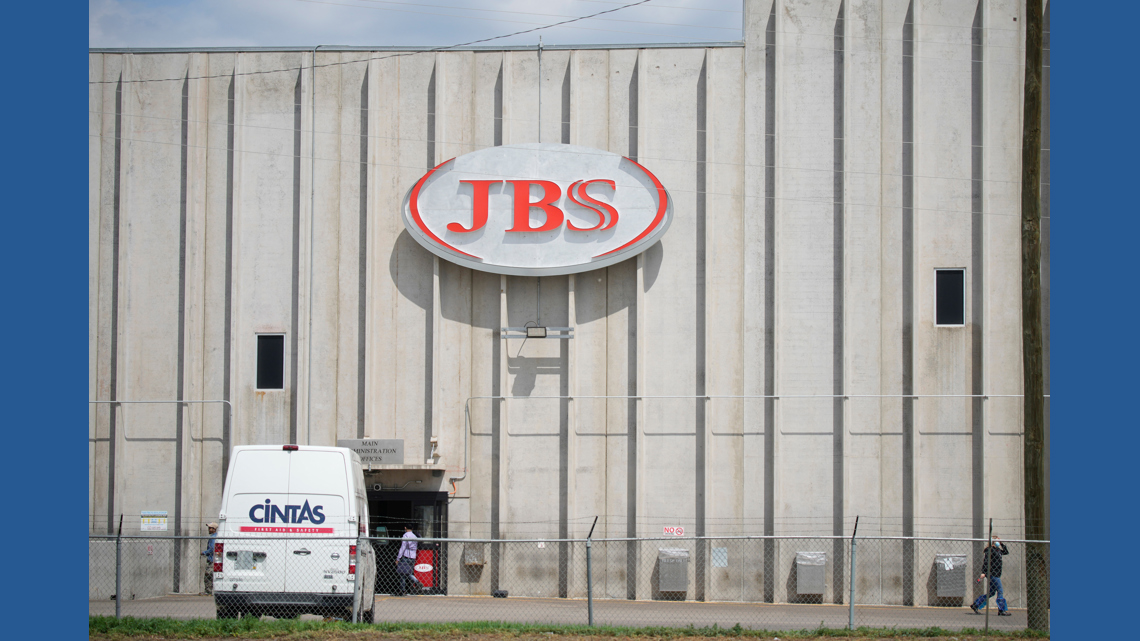
A strike involving approximately 3,800 workers at the Swift Beef Co. plant in Greeley, Colorado, began on Monday, marking the first walkout at a U.S. beef slaughterhouse since the 1980s. The strike was initiated due to allegations of unfair labor practices and retaliation by owner JBS USA during contract negotiations. The previous contract expired at midnight on Sunday, prompting the workers to take action. The strike is expected to continue throughout the day.
The U.S. cattle population is currently at a 75-year low, with 86.2 million animals as of January 1, down 1% from the previous year. This decline, coupled with rising beef prices, has caused economic concerns in the U.S. The Trump administration has sought to address this issue through a trade deal with Argentina to lower food prices, including beef. The closure of a meatpacking plant in Nebraska in January has also had repercussions on the local economy.
Union officials at the Greeley plant accused JBS USA of attempting to intimidate workers to leave the union during individual meetings. Despite the company's refusal to negotiate with the union over the weekend, 99% of workers voted to authorize the strike. JBS USA stated that employees who chose not to strike would still have work and be compensated. The company planned to operate two shifts at the plant and adjust production as necessary.
This strike is significant as it is the first at a U.S. slaughterhouse since a walkout at a Hormel plant in Minnesota in 1985. The Hormel strike lasted over a year and involved violent clashes between police and protesters. The union is determined to stand their ground until a fair resolution is reached in Greeley. JBS USA emphasized its commitment to complying with labor laws and minimizing disruptions to customers and partners during the strike.
In conclusion, the strike at the Swift Beef Co. plant in Greeley highlights the ongoing labor disputes in the meatpacking industry and the challenges faced by workers in negotiating fair contracts with employers. The unity and determination of the workers in standing up for their rights demonstrate the importance of collective bargaining and solidarity in the face of labor injustices.